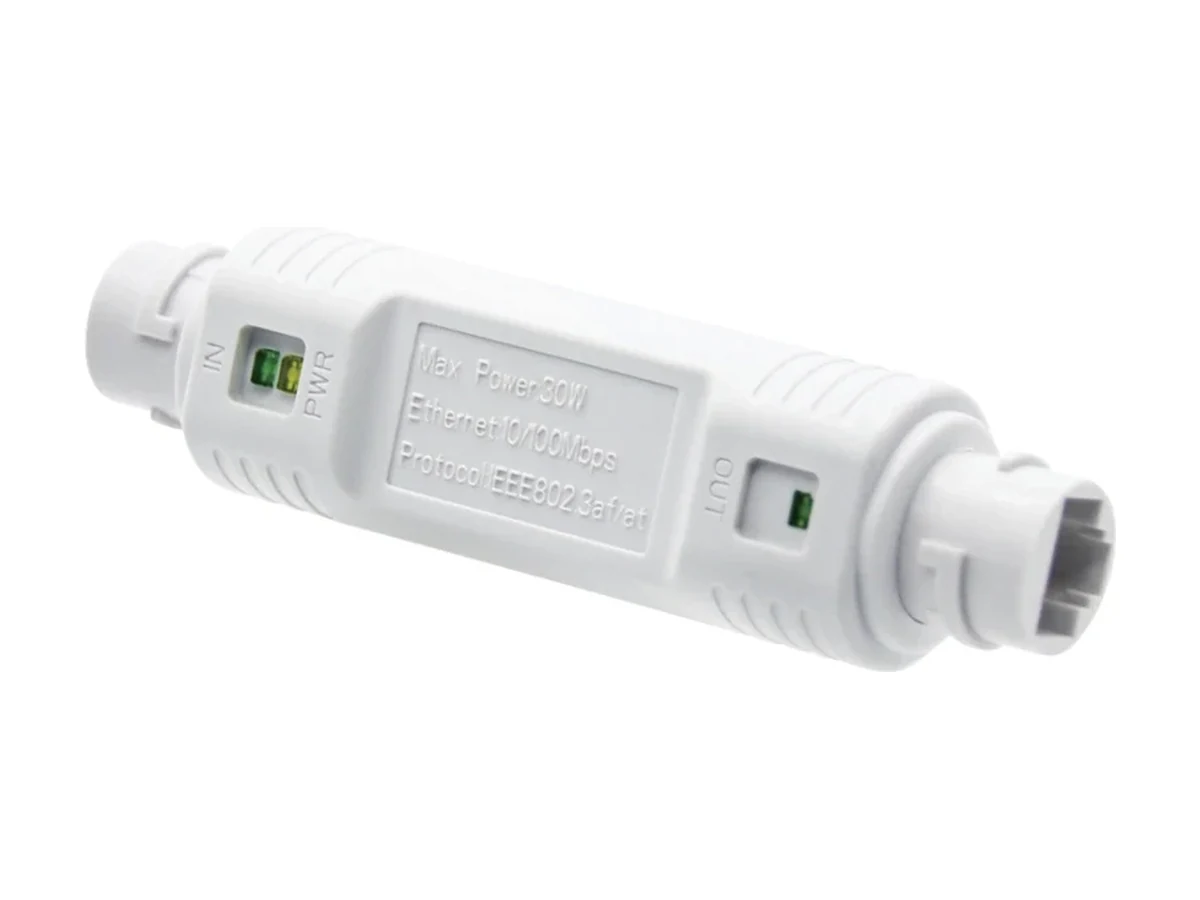
HX-FSPOE101
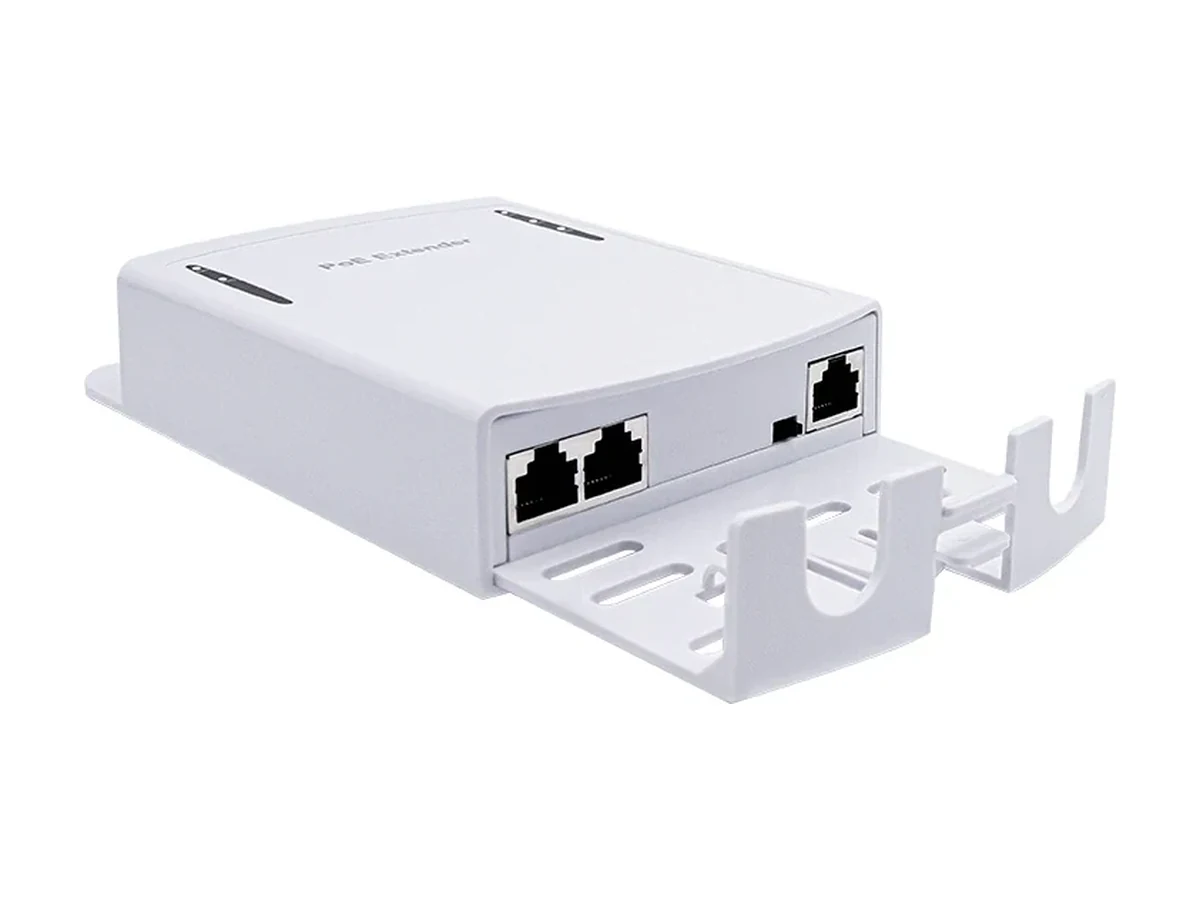
Waterproof 1-in 1-out PoE Extender
- Max power
- 30W(max.)
- Speed
- 10/100Mbps
PoE Extenders
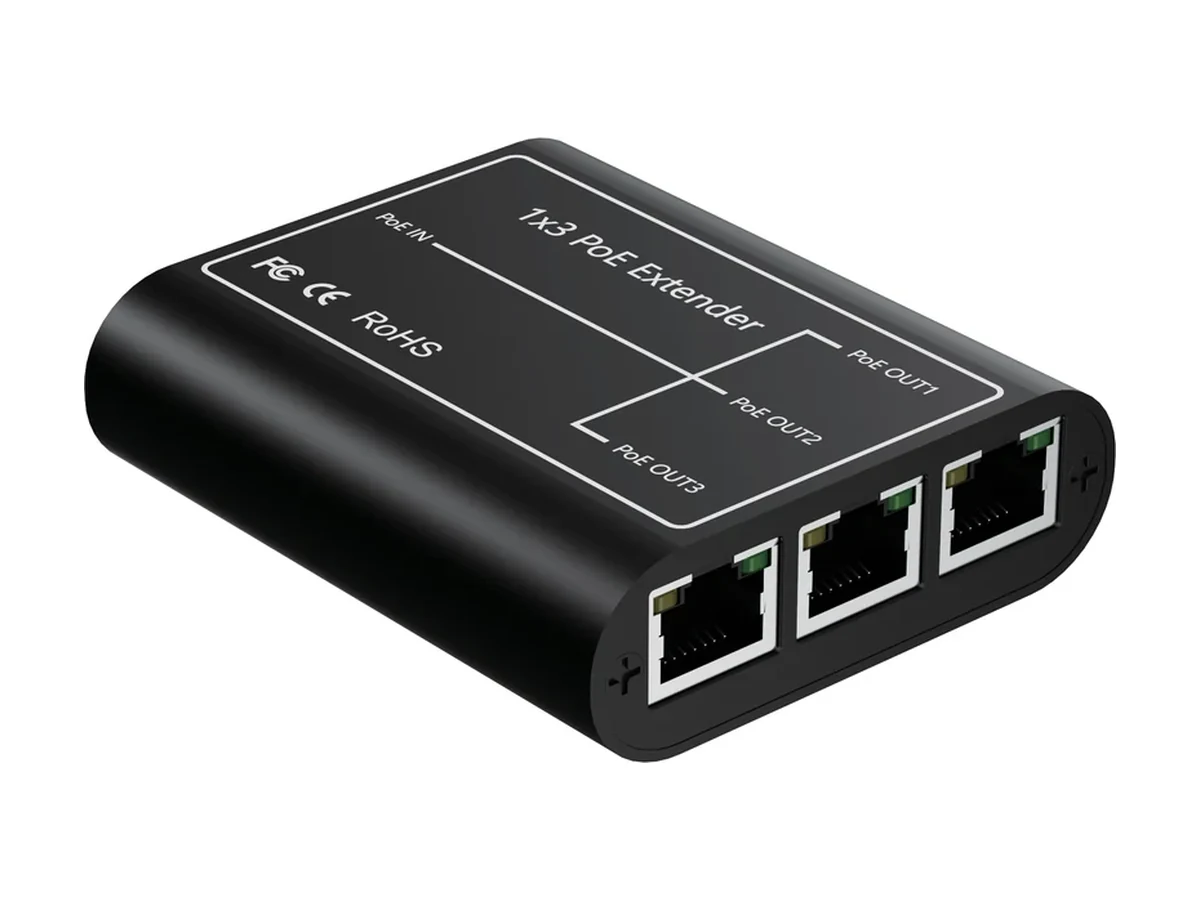
HX-POE103 1-in 3-out PoE Extender — network side: 1 × 10/100Base-TX uplink PD powered port 3 × 10/100Base-TX PoE ports; PoE standard: IEEE802.3af/at; power budget 30W(max.); 10/100Mbps forwarding. It ships from the same factory line as our PoE switches, with OEM/ODM branding available.
HX-POE103OEM/ODM with custom branding, packaging and model numbers available. MOQ and pricing on request.
The HX-POE103 works mid-span: it takes an already-powered uplink and repeats both data and power downstream, so a run can be split into several 100 m segments. In a typical IP camera installation it is the part that decides how many devices can be powered, how much headroom is left for future cameras, and whether a long cable run still needs a relay point.
As built: network side 1 × 10/100Base-TX uplink PD powered port 3 × 10/100Base-TX PoE ports; 10/100Mbps forwarding.
An extender does not create power, it passes it on: the uplink is a PoE-powered (PD) port, and the downstream ports re-supply the same budget to the devices behind it. The rated figure is 30W(max.), which is the ceiling for everything downstream of this unit.
That ceiling is what makes cascading a calculation rather than a guess. Each hop adds cable loss and a small conversion loss, so the number of hops is bounded by the budget as much as by the 100 m segment limit.
Structured cabling limits a copper channel to 100 m between active devices. Switches and injectors terminate one segment; extenders exist to start a new one, so a run built from three segments can reach roughly 300 m — but every extra hop also re-supplies power from the same original budget.
This model is the relay in that chain (output ports cascades downstream). Waterproof versions are the ones used on outdoor poles, where the housing, not the electronics, is usually what fails first.
The siblings in this family differ on a small number of axes. Compare the powered port count first, then the budget, then the uplink — a model with SFP uplinks only pays off when the run back to the core is fibre.
| Model | Name | Ports · budget · class · speed |
|---|---|---|
| HX-FSPOE101 | Waterproof 1-in 1-out PoE Extender | 1 ports · 30W(max.) · IEEE802.3af/at · 10/100Mbps |
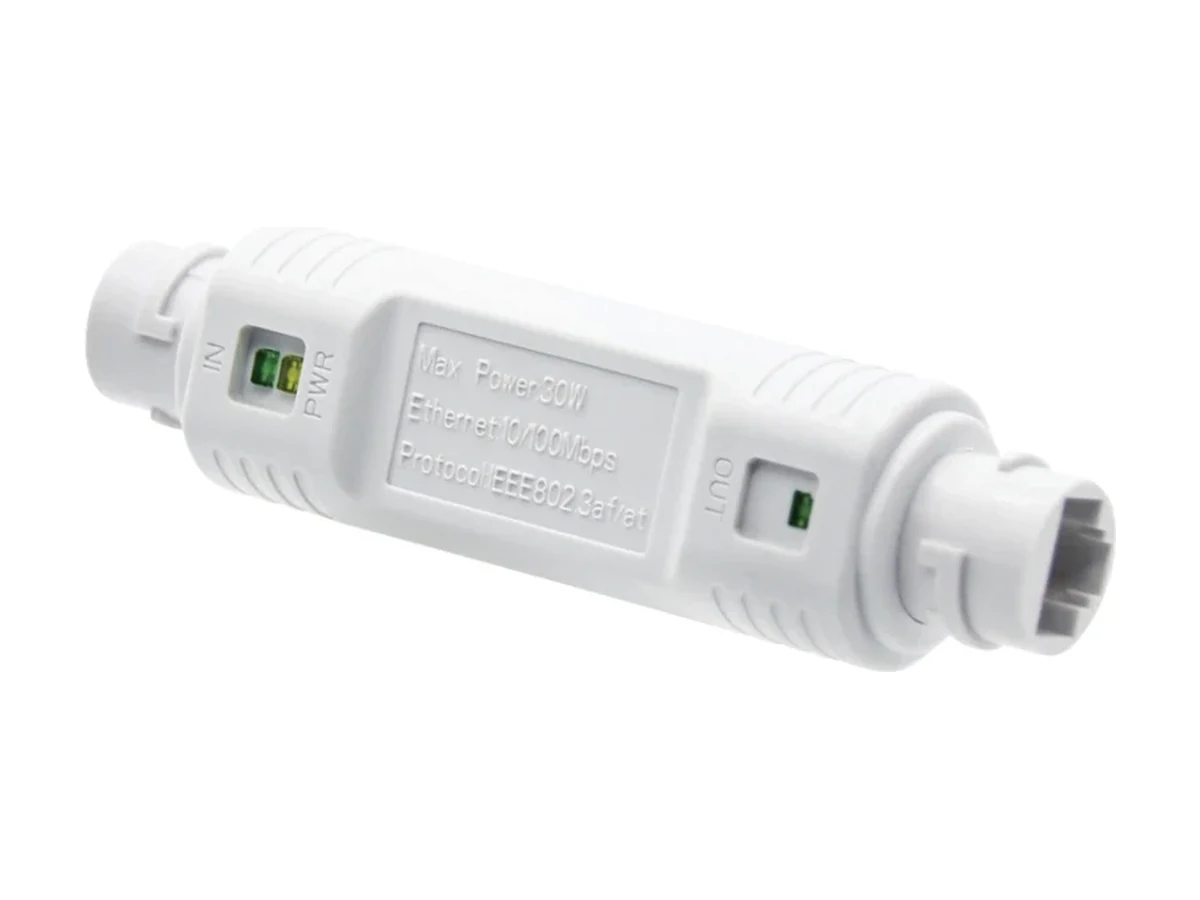
| HX-FSPOE101/G | Waterproof 1-in 1-out Gigabit PoE Extender | 1 ports · 30W(max.) · IEEE802.3af/at · 10/100/1000Mbps |
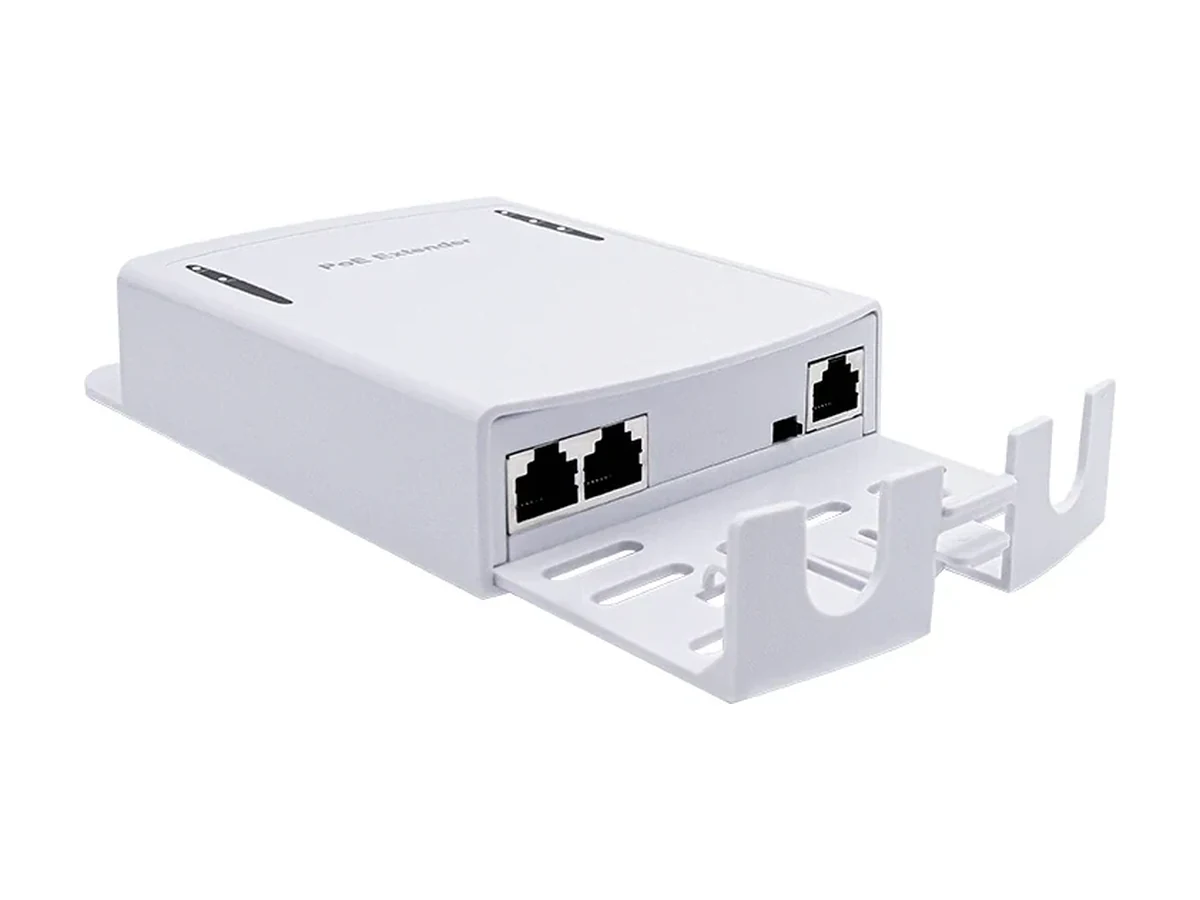
| HX-FSPOE102 | Waterproof 1-in 2-out PoE Extender | 1 ports · 30W(max.) · IEEE802.3af/at · 10/100Mbps |
| HX-FSPOE102/G | Waterproof 1-in 2-out Gigabit PoE Extender | 1 ports · 30W(max.) · IEEE802.3af/at · 10/100/1000Mbps |
Five checks catch most of the mismatches we see on purchase orders for this family:
It depends on camera class, not on port count alone. With a 30W(max.) budget, eight 6 W fixed cameras and four 20 W PTZ units draw 128 W combined — within budget — while nine 25 W units would exceed it. Count the sum of the device labels, then keep 20–30% spare.
A AT PSE negotiates down: it will run af or at devices happily. The reverse is the problem — a AT powered device asked to run from a lower class PSE either refuses to power up or browns out under IR load. The PSE class sets the ceiling; the device class sets the demand.
Each hop must stay within budget, so the practical answer is: as many as the original PSE budget allows after cable and conversion loss. Two or three hops is the common figure for camera loads; beyond that a local power source at the far end is usually cheaper and more reliable.
Yes — we run OEM and private-label production on this range: custom branding, packaging and model numbers on the same hardware. Ask for the current datasheet and a sample plan before committing a project to a specific variant.
Every figure in the specification table above comes from the current production data for this model. If a figure matters for a tender, ask for the current datasheet before quoting — printed documents and production revisions drift apart.
Specifications for model HX-POE103. Ask for the current datasheet before quoting.
HX-FSPOE101
HX-FSPOE101/G
HX-FSPOE102
HX-FSPOE102/G