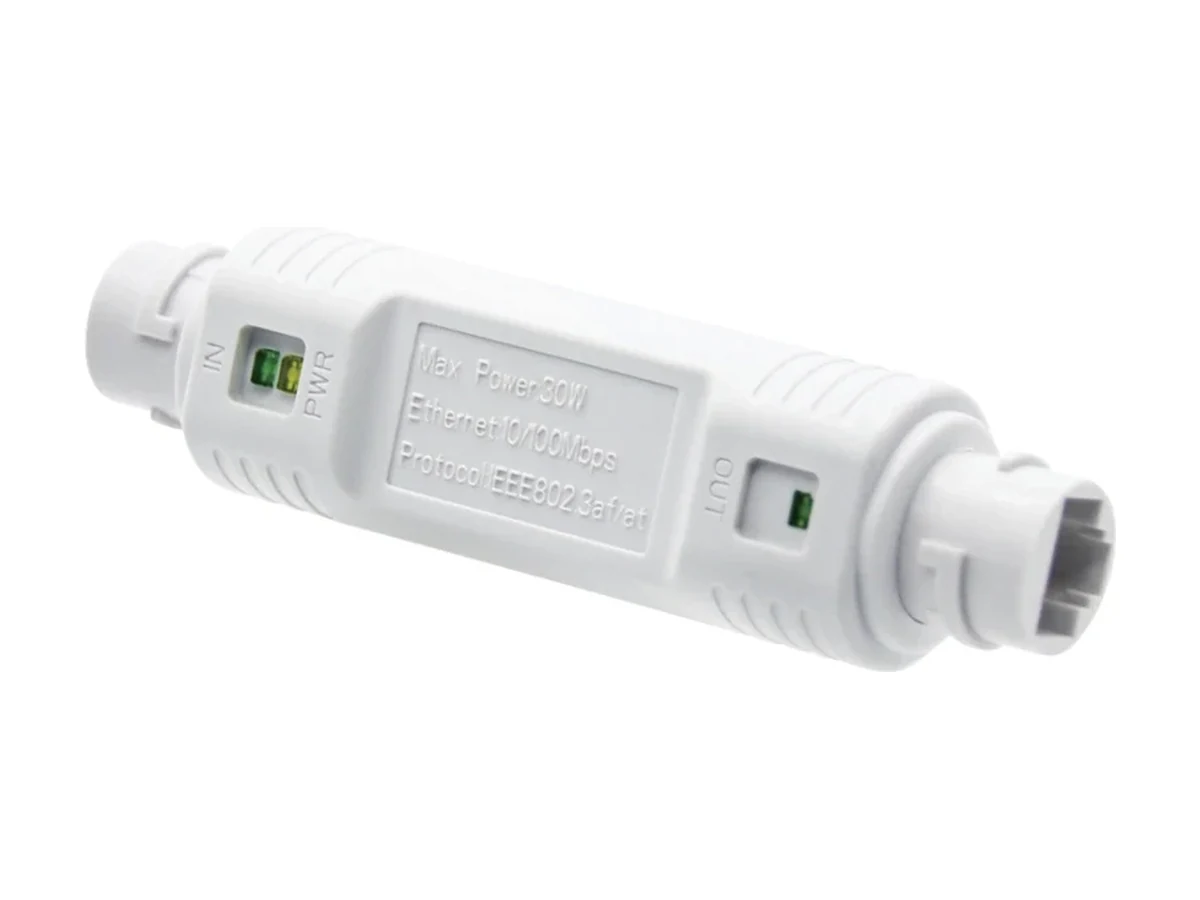
HX-FSPOE101
Waterproof 1-in 1-out PoE Extender
- Max power
- 30W(max.)
- Speed
- 10/100Mbps
Product category
Quick answer
A PoE extender repeats data and power past the 100 m Ethernet limit — 100 m per hop, no local mains feed at the far end. Each unit takes a powered uplink and re-supplies the same budget to its output ports: 30 W per unit on the standard models, 90 W on the 802.3bt gigabit 4-out model. Two or three hops is the practical limit on a camera load.
Copper Ethernet stops at 100 m. A PoE extender works mid-span: it takes an already-powered uplink and repeats both data and power downstream, so one long run becomes several 100 m segments.
The 20 models here cover indoor and waterproof housings, 100M and gigabit, and multi-level cascading. Every hop draws from the same original budget, which is the constraint that decides how many hops a site can take.
Every figure below comes from the current product data. Click a model to open its full specification page.
| Model | Power | PoE Standard | Speed | Wire Pairs |
|---|---|---|---|---|
| HX-FSPOE101Waterproof 1-in 1-out PoE Extender | 30W(max.) | IEEE802.3af/at | 10/100Mbps | 1/2,3/6 |
| HX-FSPOE101/GWaterproof 1-in 1-out Gigabit PoE Extender | 30W(max.) | IEEE802.3af/at | 10/100/1000Mbps | 1/2,3/6,4/5,7/8 |
| HX-FSPOE102Waterproof 1-in 2-out PoE Extender | 30W(max.) | IEEE802.3af/at | 10/100Mbps | 1/2,3/6 |
| HX-FSPOE102/GWaterproof 1-in 2-out Gigabit PoE Extender | 30W(max.) | IEEE802.3af/at | 10/100/1000Mbps | 1/2,3/6,4/5,7/8 |
| HX-FSPOE102AWaterproof 1-in 2-out PoE Extender | 30W(max.) | IEEE802.3af/at | 10/100Mbps | 1/2,3/6 |
| HX-FSPOE102A/PWaterproof 1-in 2-out PoE Extender | 30W(max.) | IEEE802.3af/at | 10/100Mbps | 1/2,3/6 |
| HX-FSPOE103Waterproof 1-in 3-out PoE Extender | 30W(max.) | IEEE802.3af/at | 10/100Mbps | 1/2,3/6 |
| HX-FSPOE103/GWaterproof 1-in 3-out Gigabit PoE Extender | 30W(max.) | IEEE802.3af/at | 10/100/1000Mbps | 1/2,3/6,4/5,7/8 |
| HX-FSPOE104Waterproof 1-in 4-out PoE Extender | 30W(max.) | IEEE802.3af/at | 10/100Mbps | 1/2,3/6 |
| HX-FSPOE104/GWaterproof 1-in 4-out Gigabit PoE Extender | 30W(max.) | IEEE802.3af/at | 10/100/1000Mbps | 1/2,3/6,4/5,7/8 |
| HX-POE1021-in 2-out PoE Extender | 30W(max.) | IEEE802.3af/at | 10/100Mbps | 1/2,3/6 |
| HX-POE102/G1-in 2-out Gigabit PoE Extender | 30W(max.) | IEEE802.3af/at | 10/100/1000Mbps | 1/2,3/6,4/5,7/8 |
| HX-POE102B1-in 2-out PoE Extender | 30W(max.) | IEEE802.3af/at | 10/100Mbps | 1/2,3/6 |
| HX-POE102B/G1-in 2-out Gigabit PoE Extender | 30W(max.) | IEEE802.3af/at | 10/100/1000Mbps | 1/2,3/6,4/5,7/8 |
| HX-POE102H1-in 2-out PoE Extender | 30W(max.) | IEEE802.3af/at | 10/100Mbps | 1/2,3/6 |
| HX-POE102H/G1-in 2-out Gigabit PoE Extender | 30W(max.) | IEEE802.3af/at | 10/100/1000Mbps | 1/2,3/6,4/5,7/8 |
| HX-POE1031-in 3-out PoE Extender | 30W(max.) | IEEE802.3af/at | 10/100Mbps | 1/2,3/6 |
| HX-POE103/G1-in 3-out Gigabit PoE Extender | 30W(max.) | IEEE802.3af/at | 10/100/1000Mbps | 1/2,3/6,4/5,7/8 |
| HX-POE1041-in 4-out PoE Extender | 30W(max.) | IEEE802.3af/at | 10/100Mbps | 1/2,3/6 |
| HX-POE104/G1-in 4-out Gigabit PoE Extender | 90W(max.) | IEEE802.3af/at/bt | 10/100/1000Mbps | 1/2,3/6,4/5,7/8 |
HX-FSPOE101
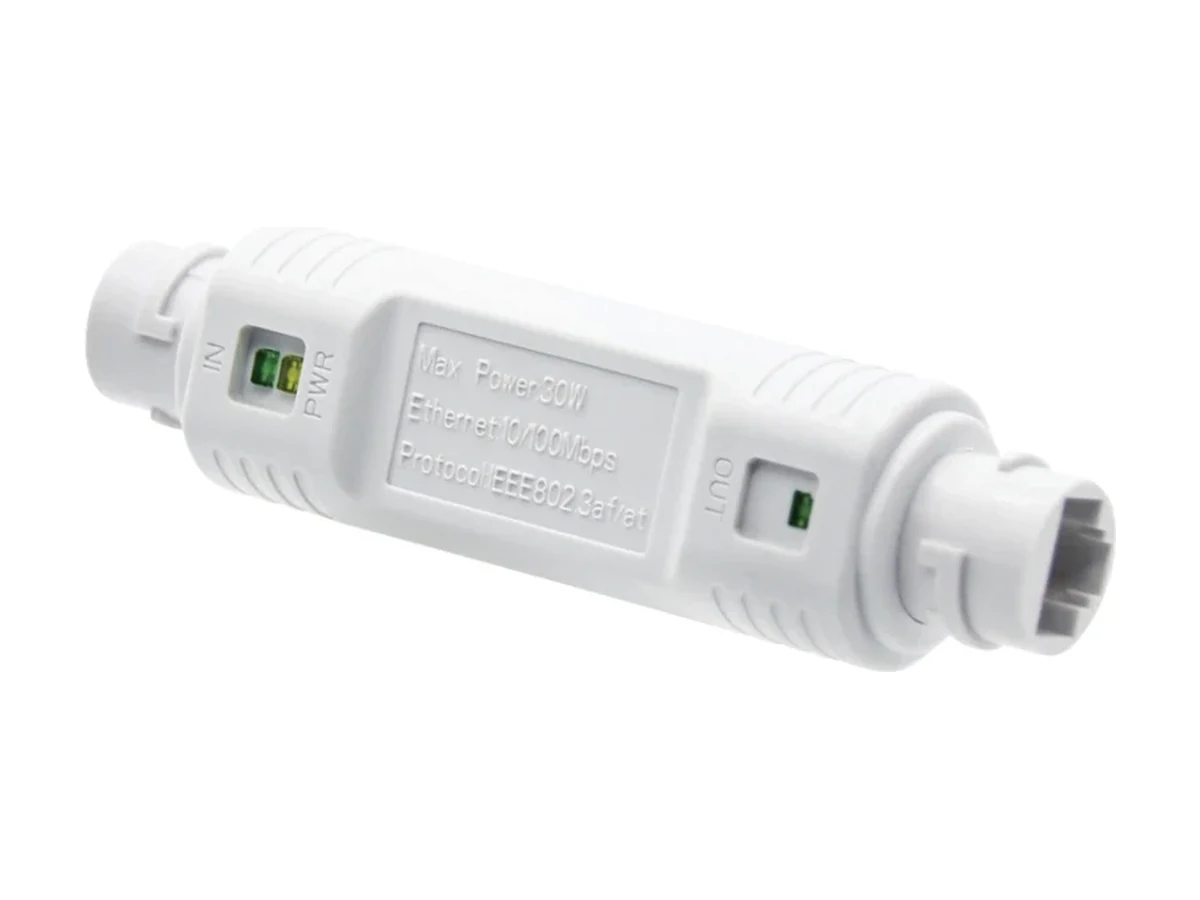
HX-FSPOE101/G
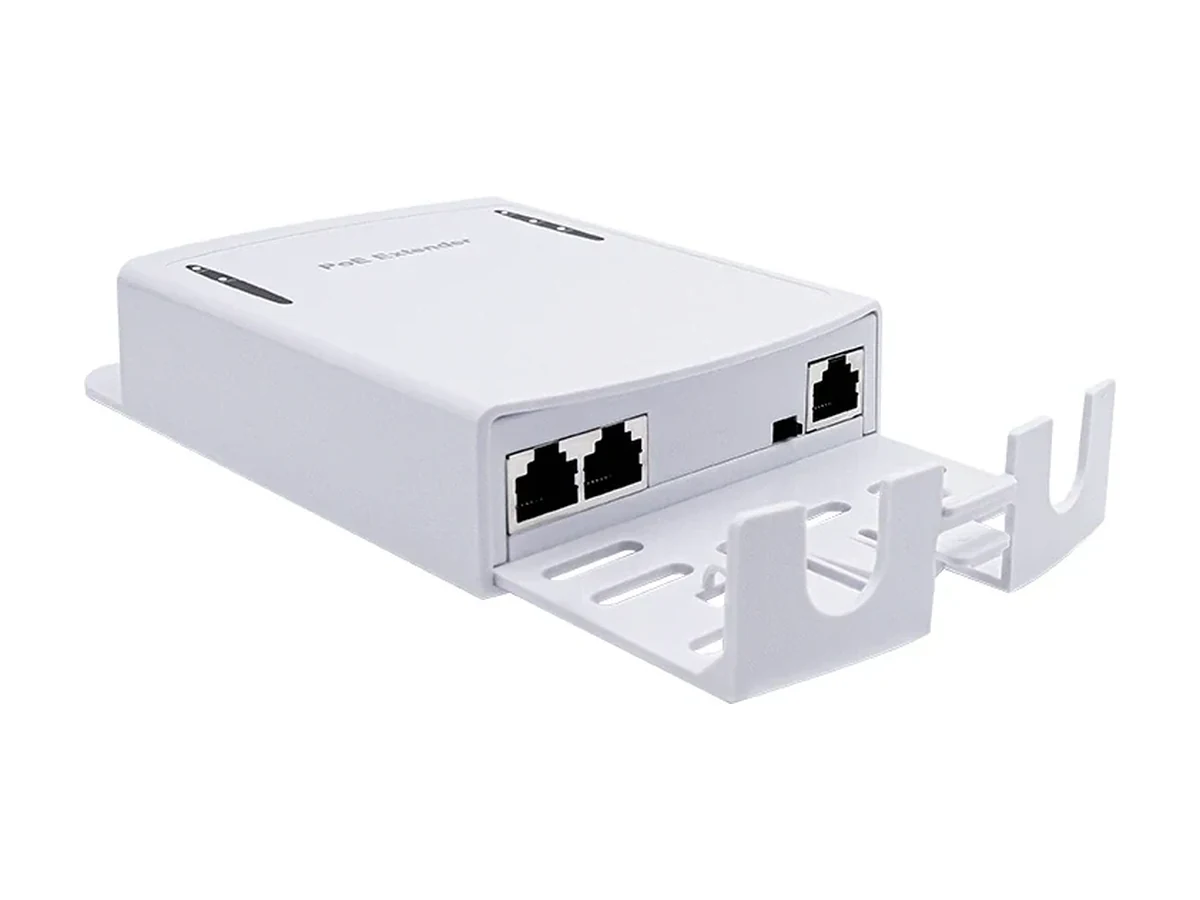
HX-FSPOE102
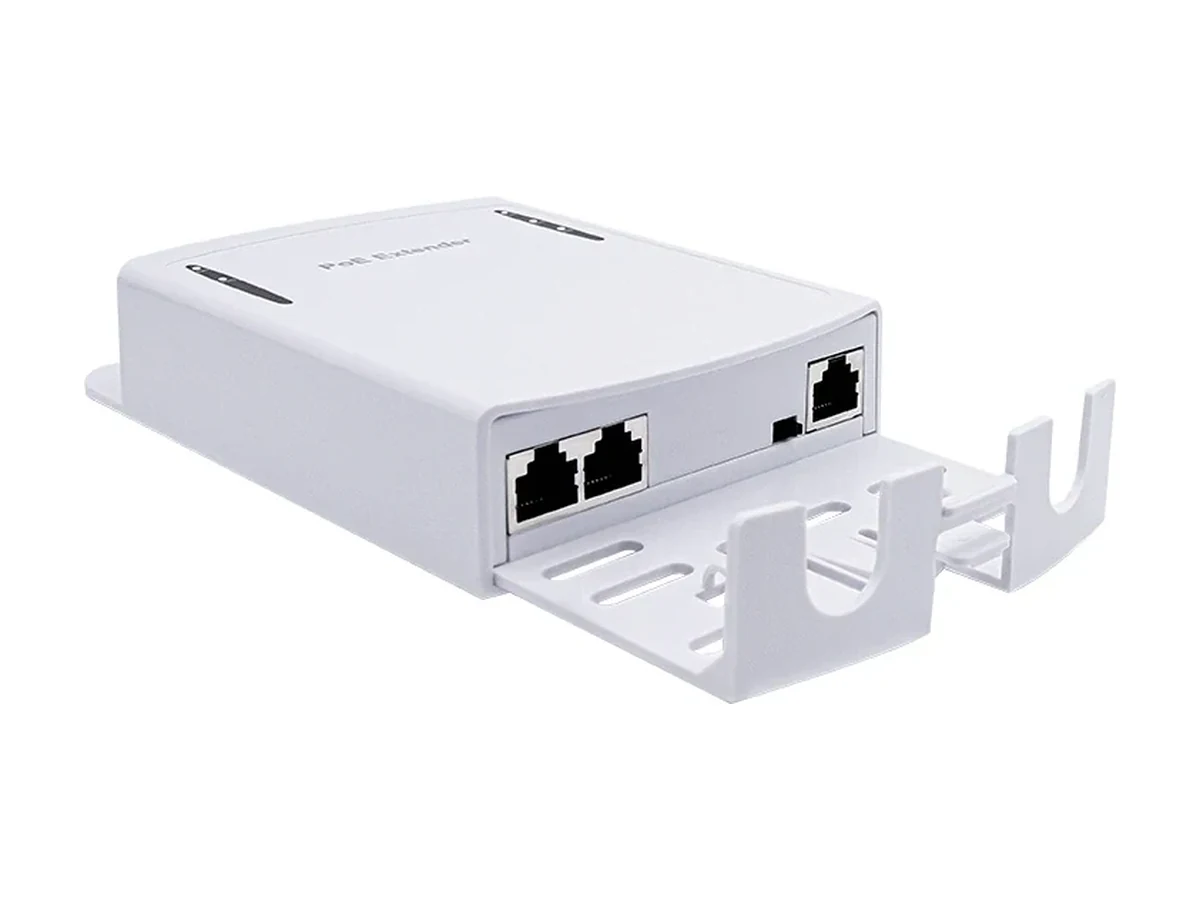
HX-FSPOE102/G
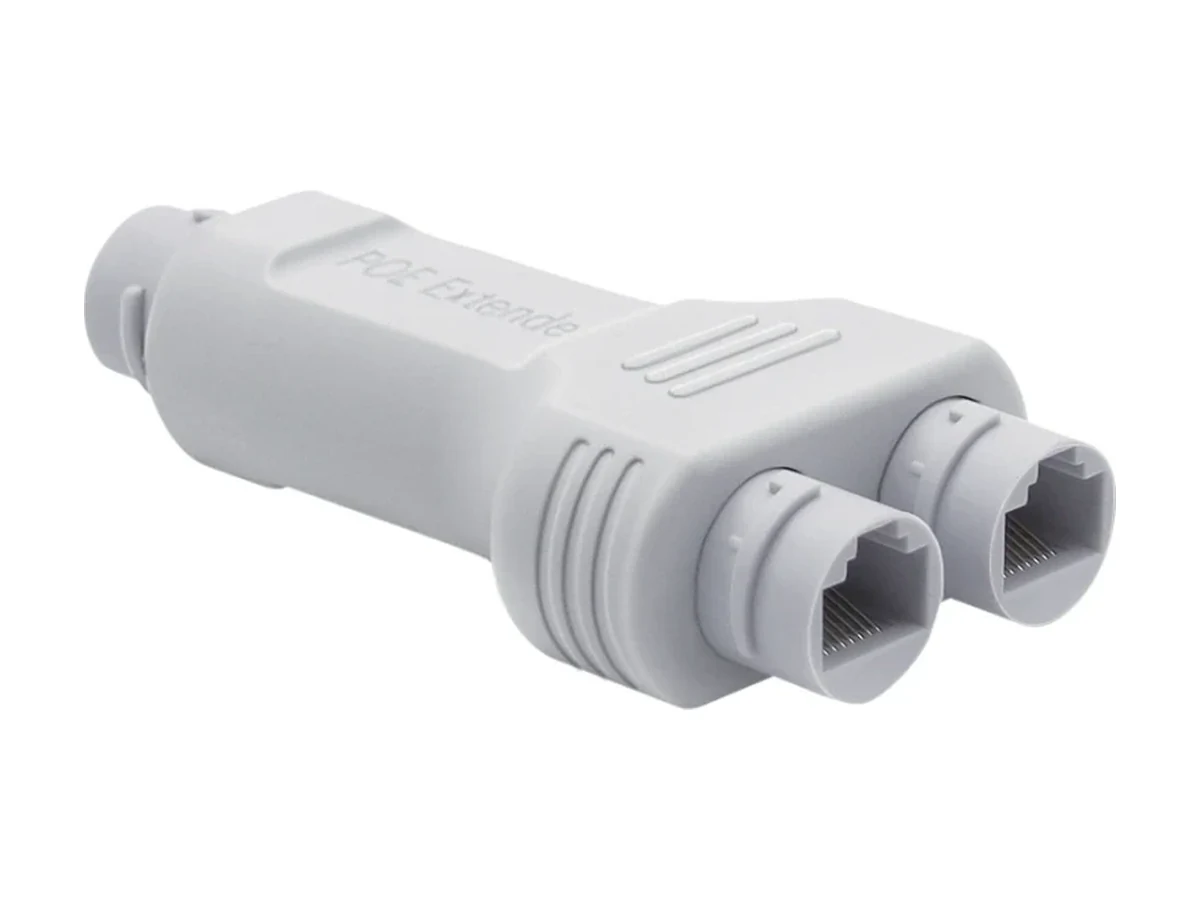
HX-FSPOE102A
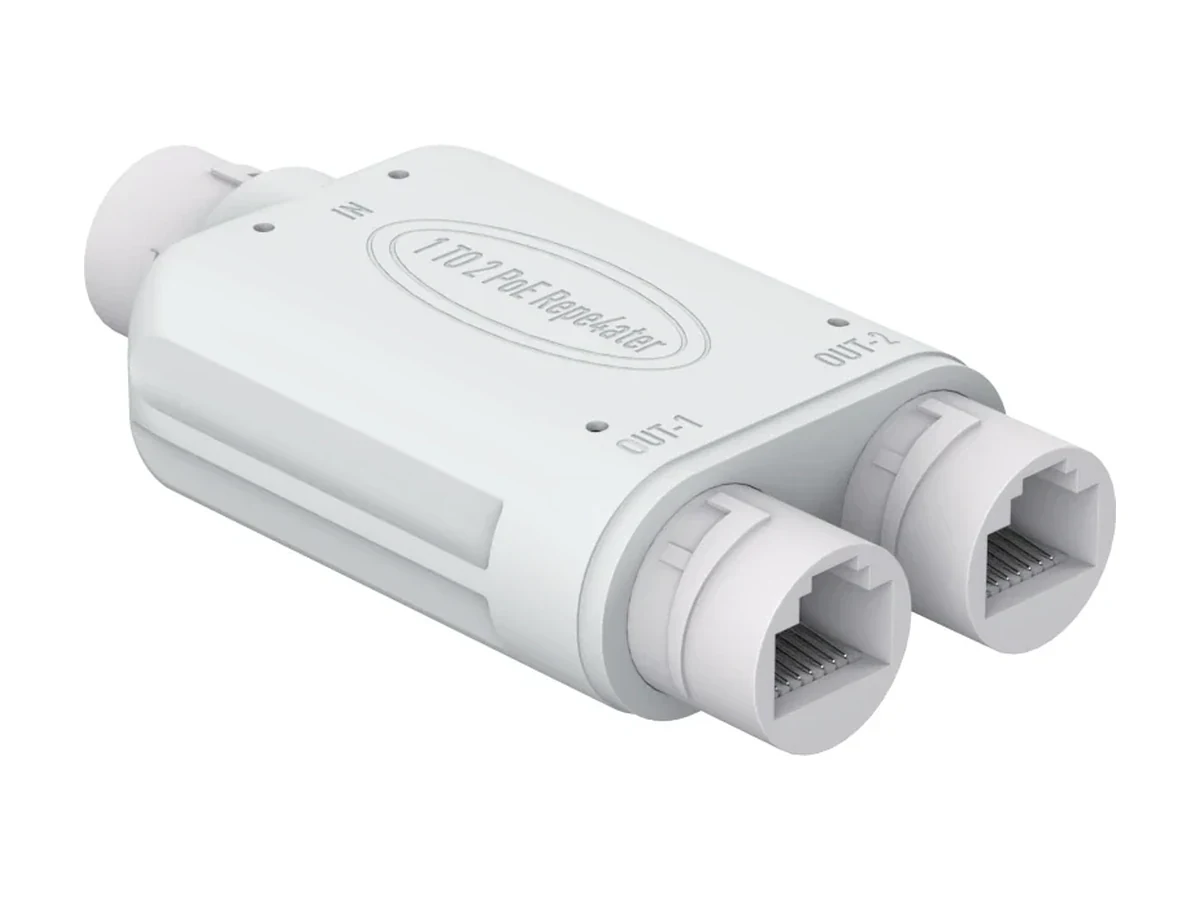
HX-FSPOE102A/P
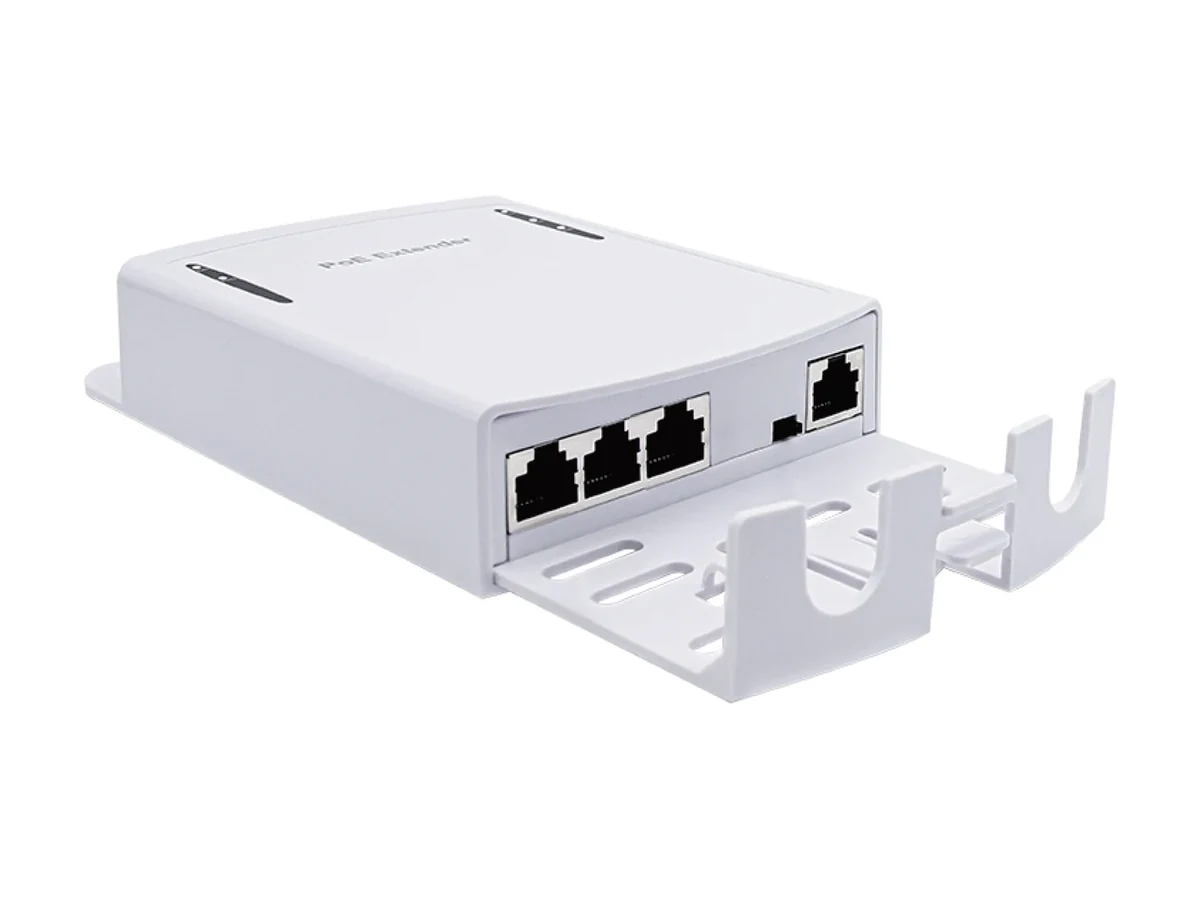
HX-FSPOE103
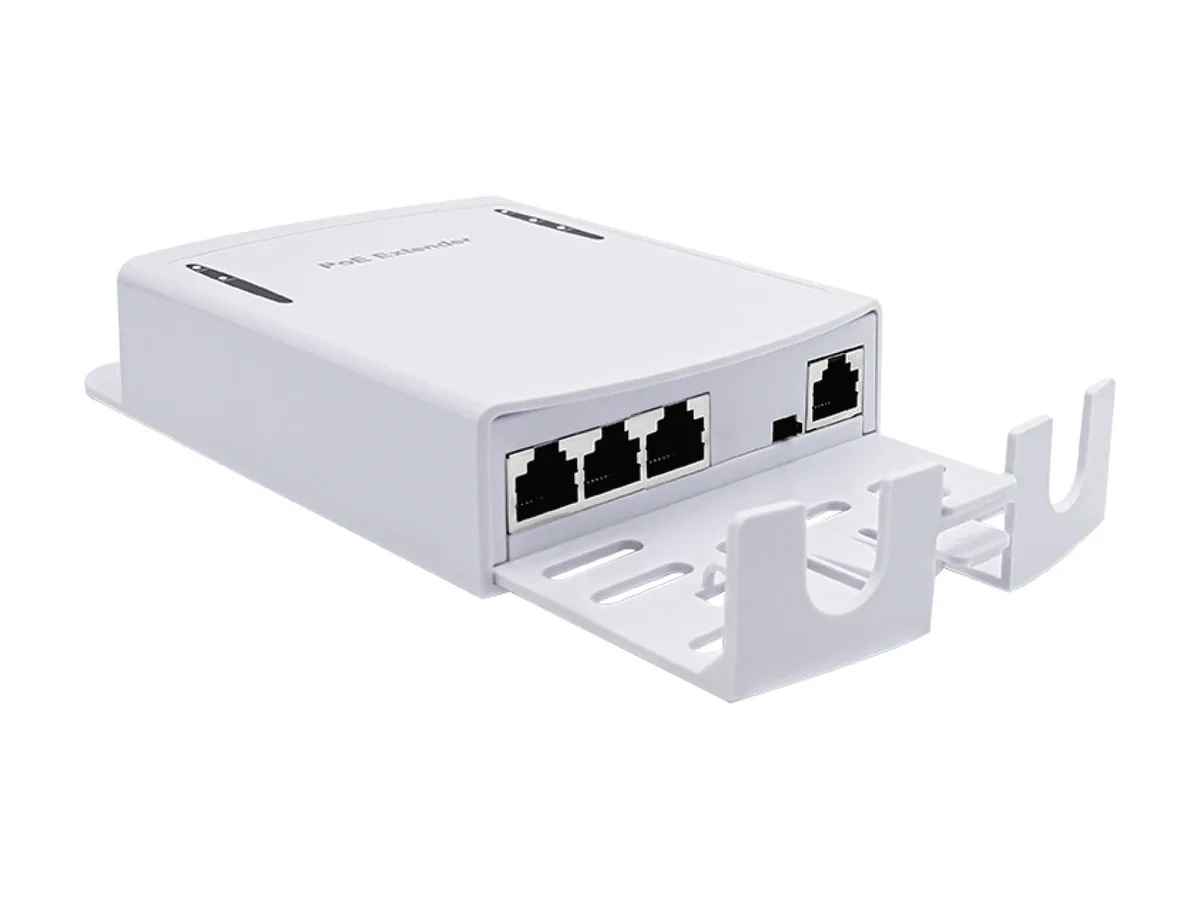
HX-FSPOE103/G
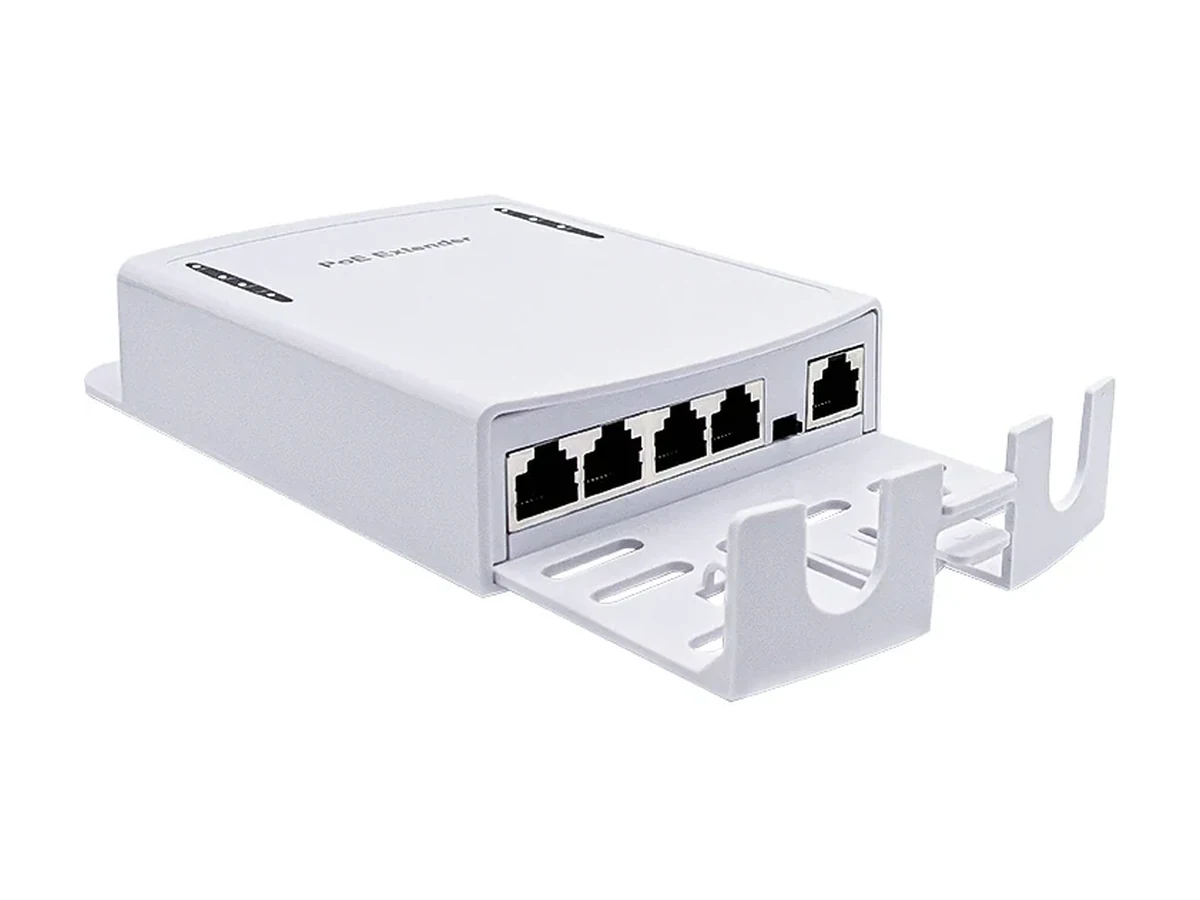
HX-FSPOE104
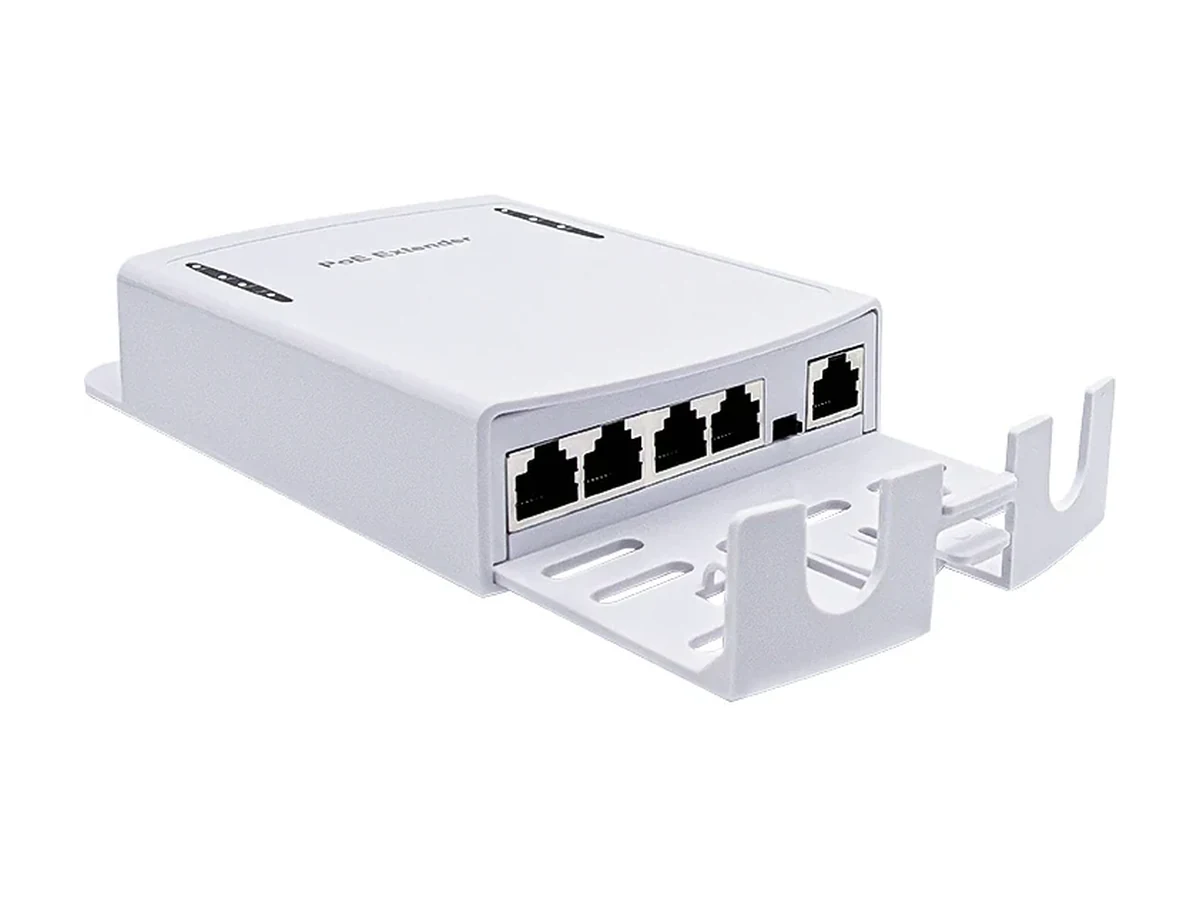
HX-FSPOE104/G
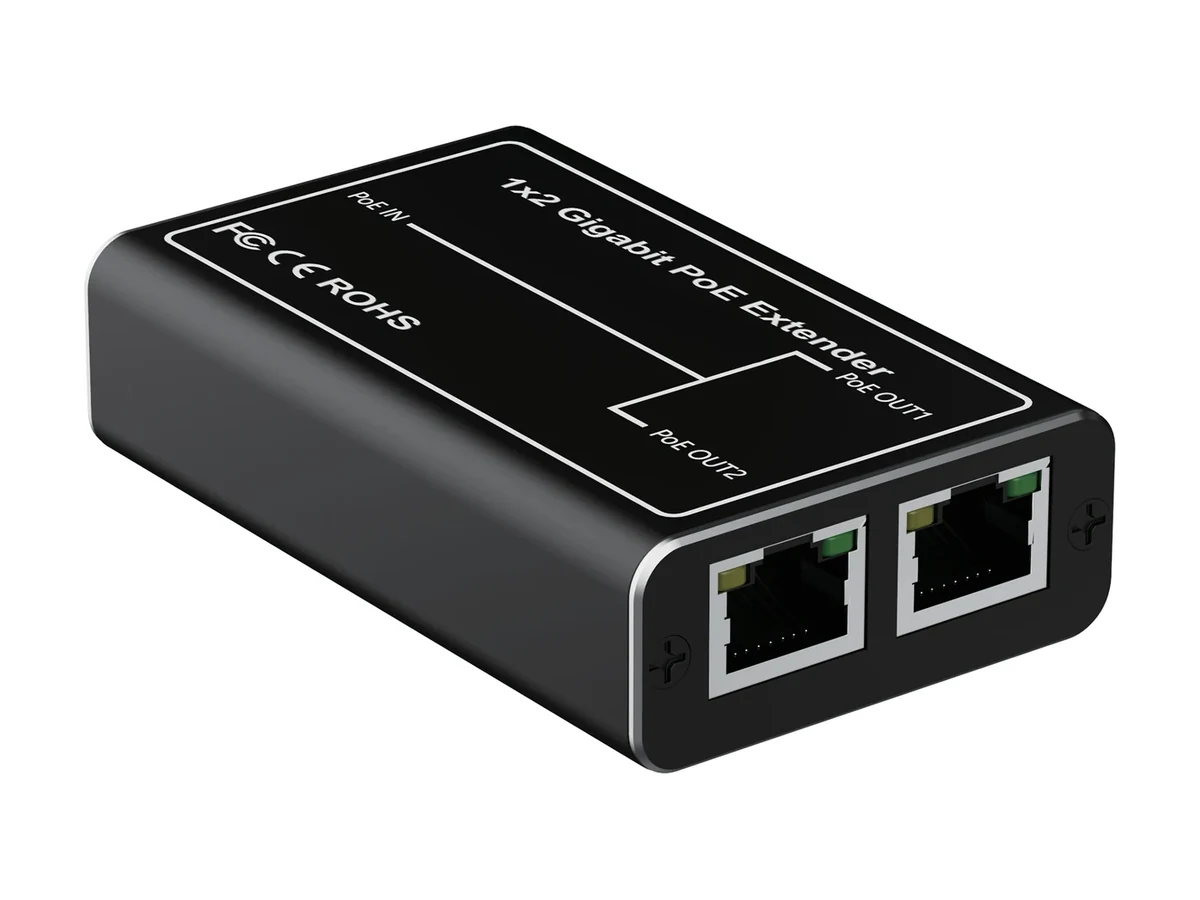
HX-POE102
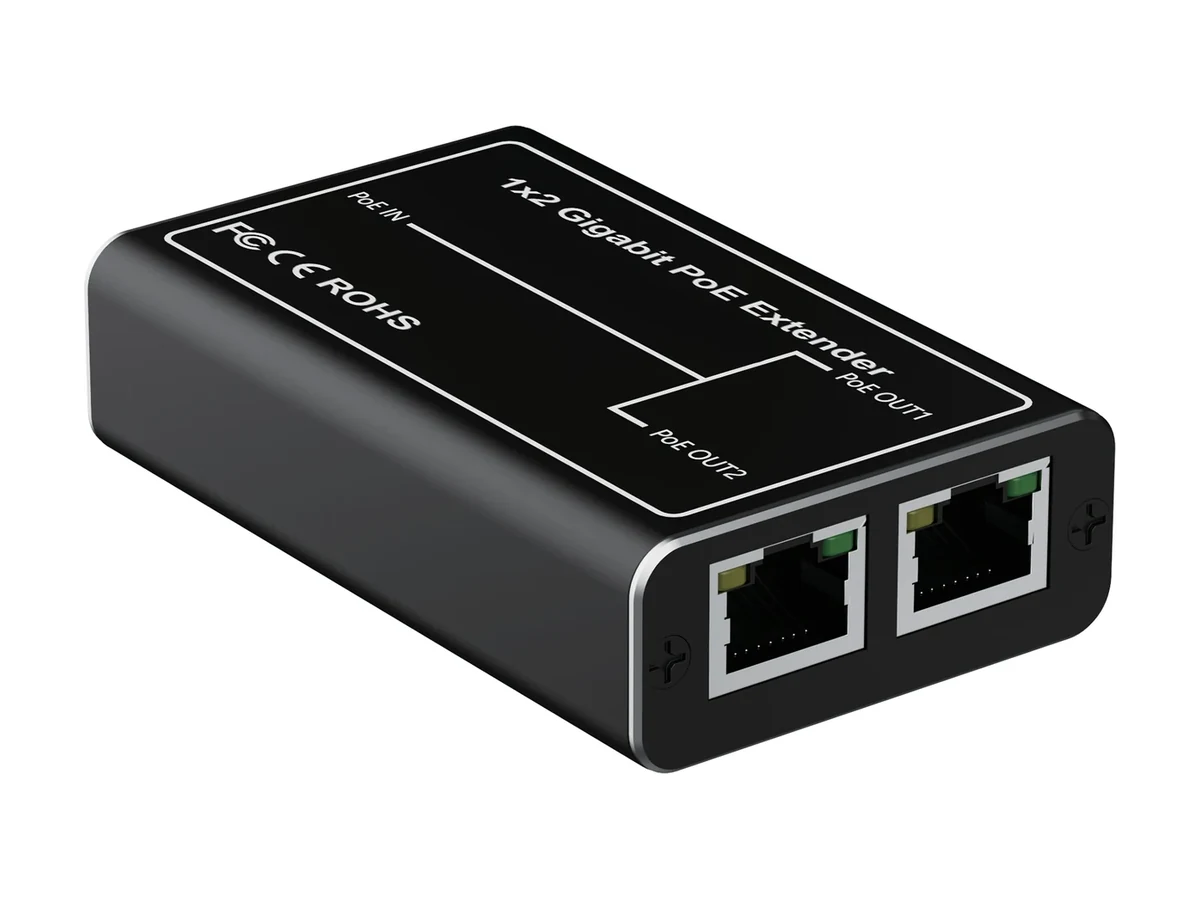
HX-POE102/G
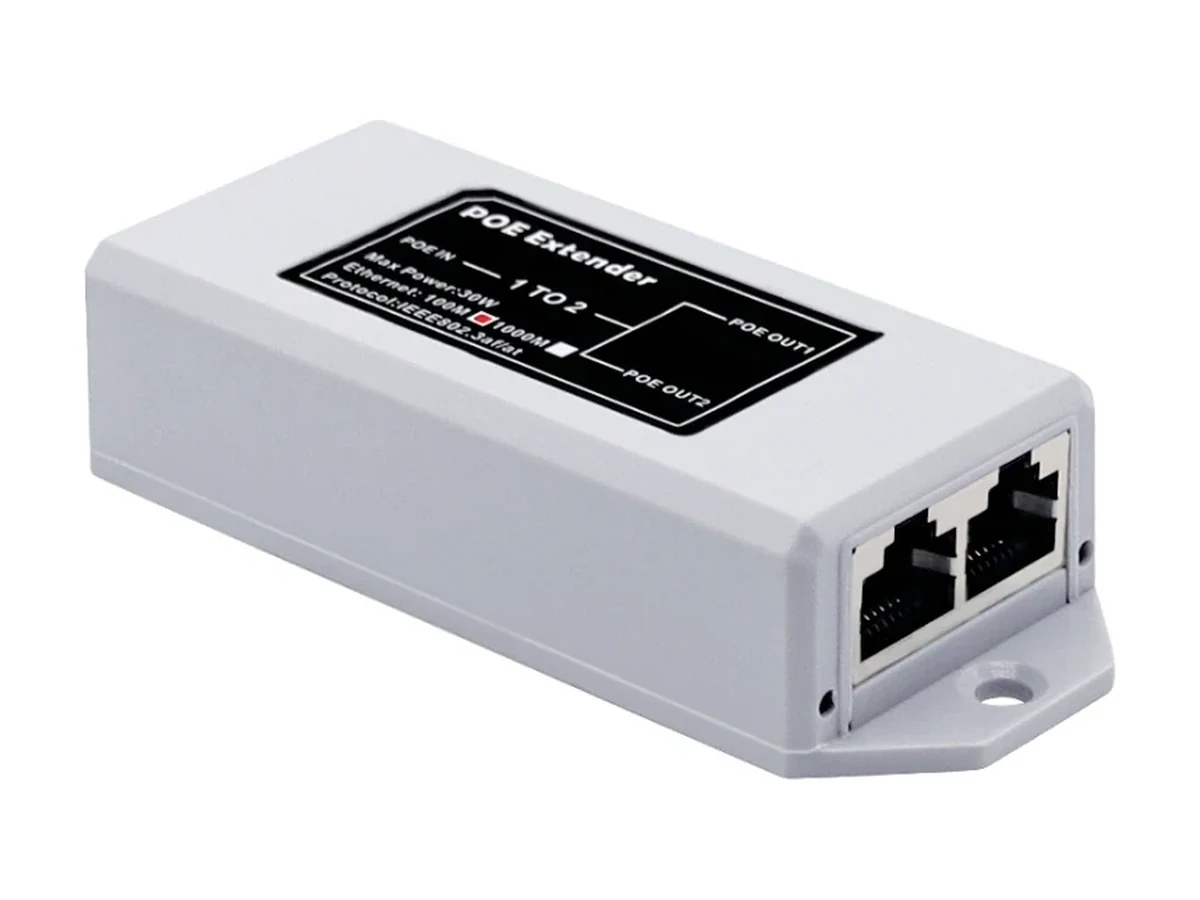
HX-POE102B
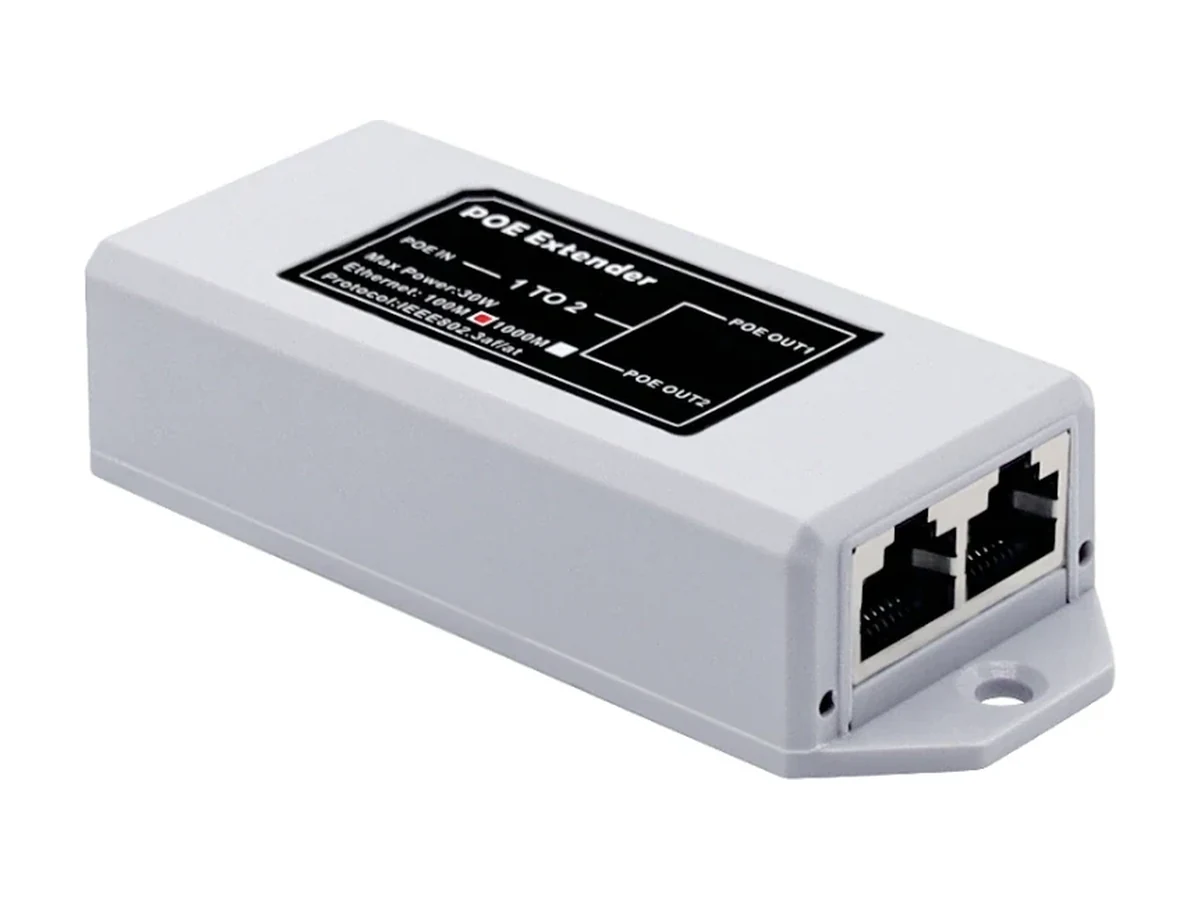
HX-POE102B/G
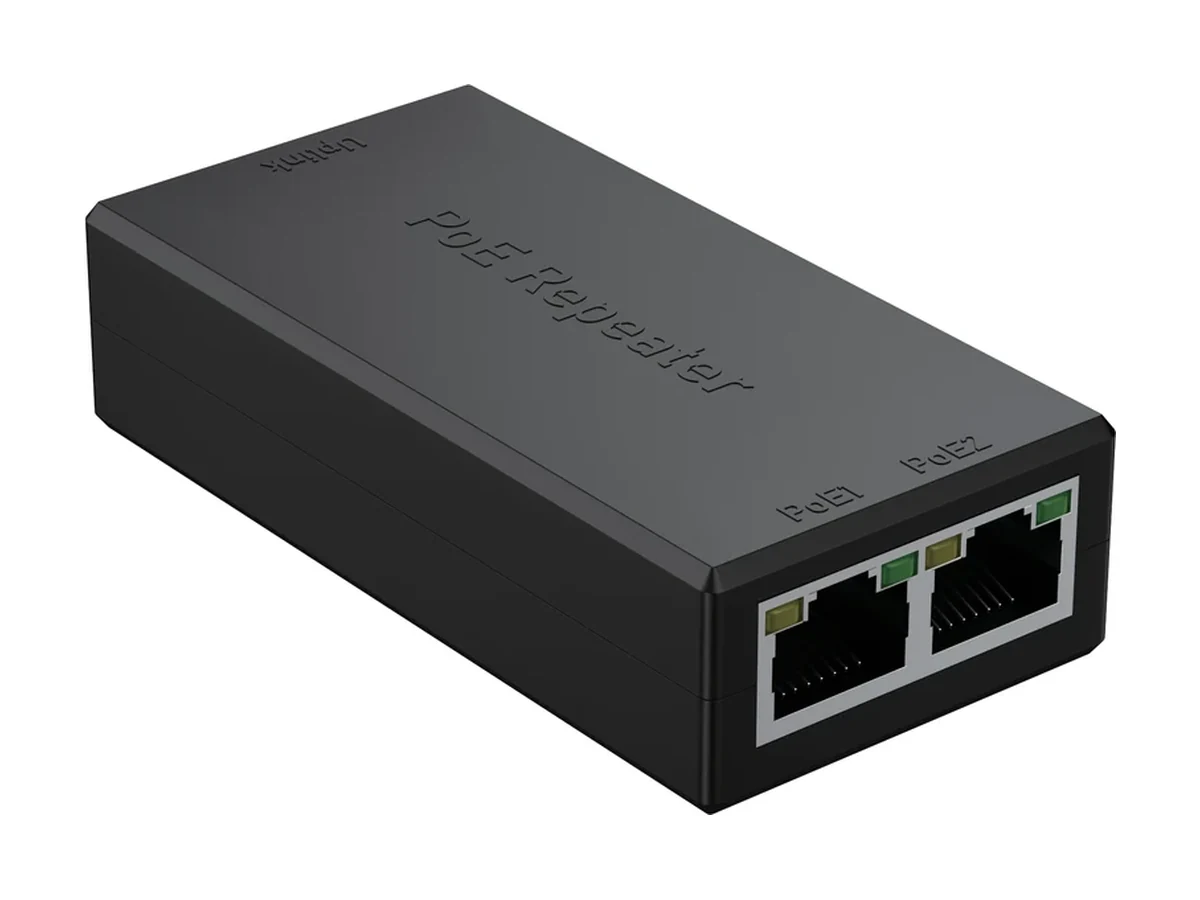
HX-POE102H
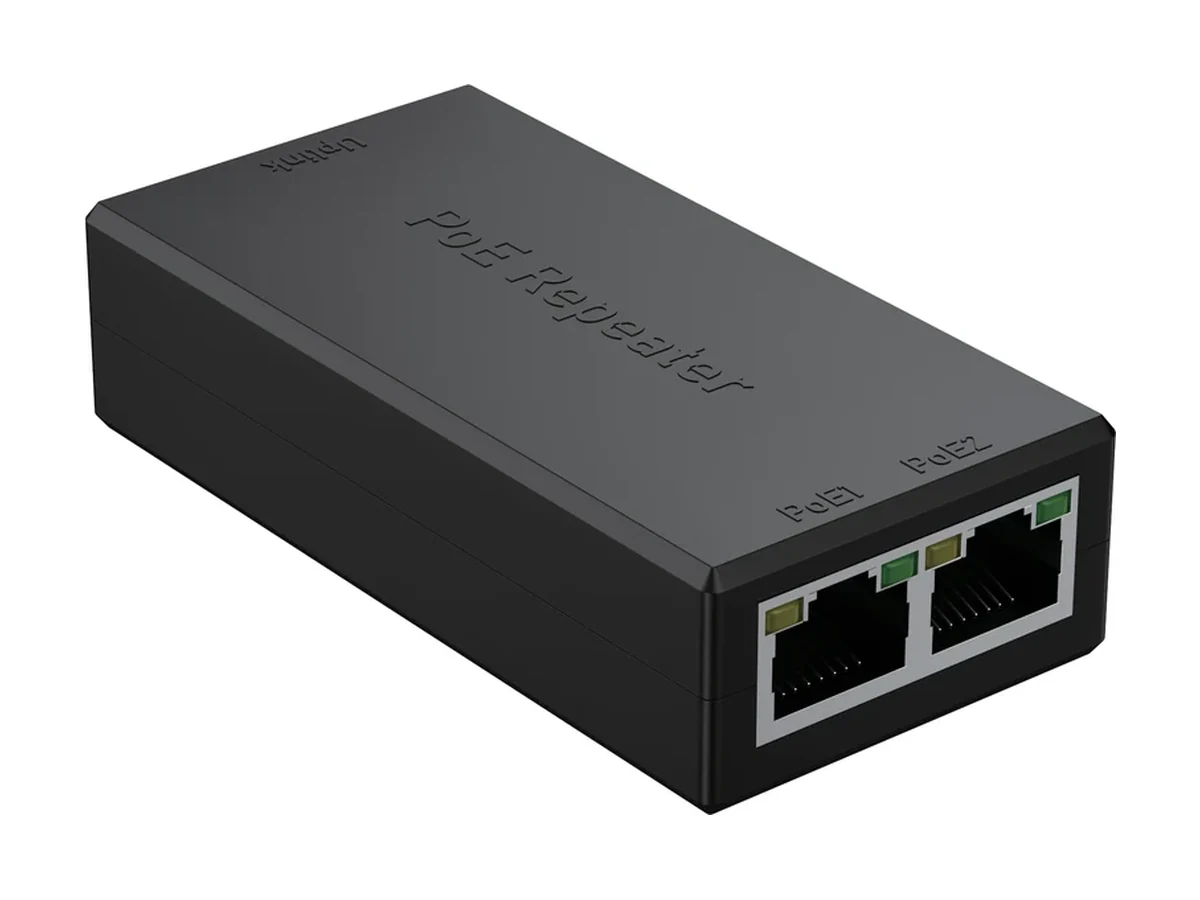
HX-POE102H/G
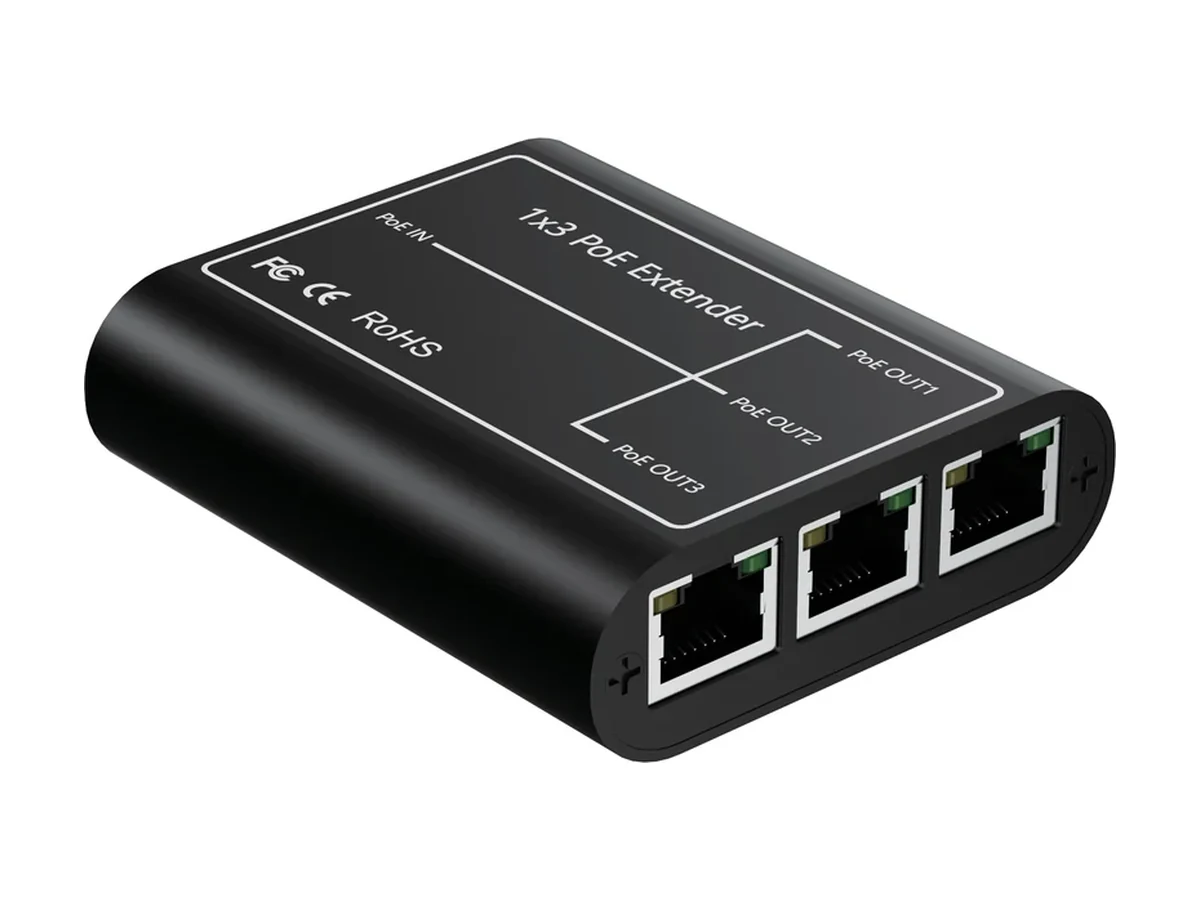
HX-POE103
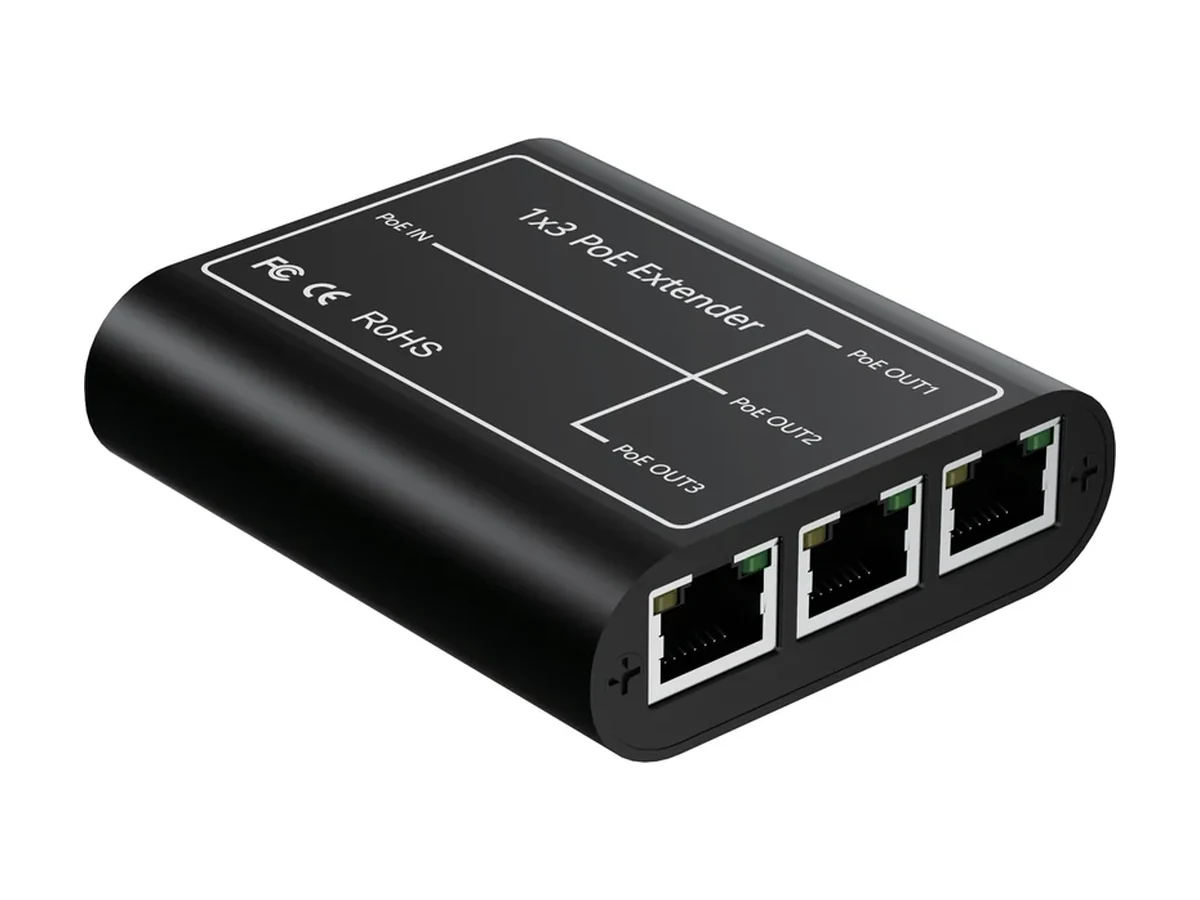
HX-POE103/G
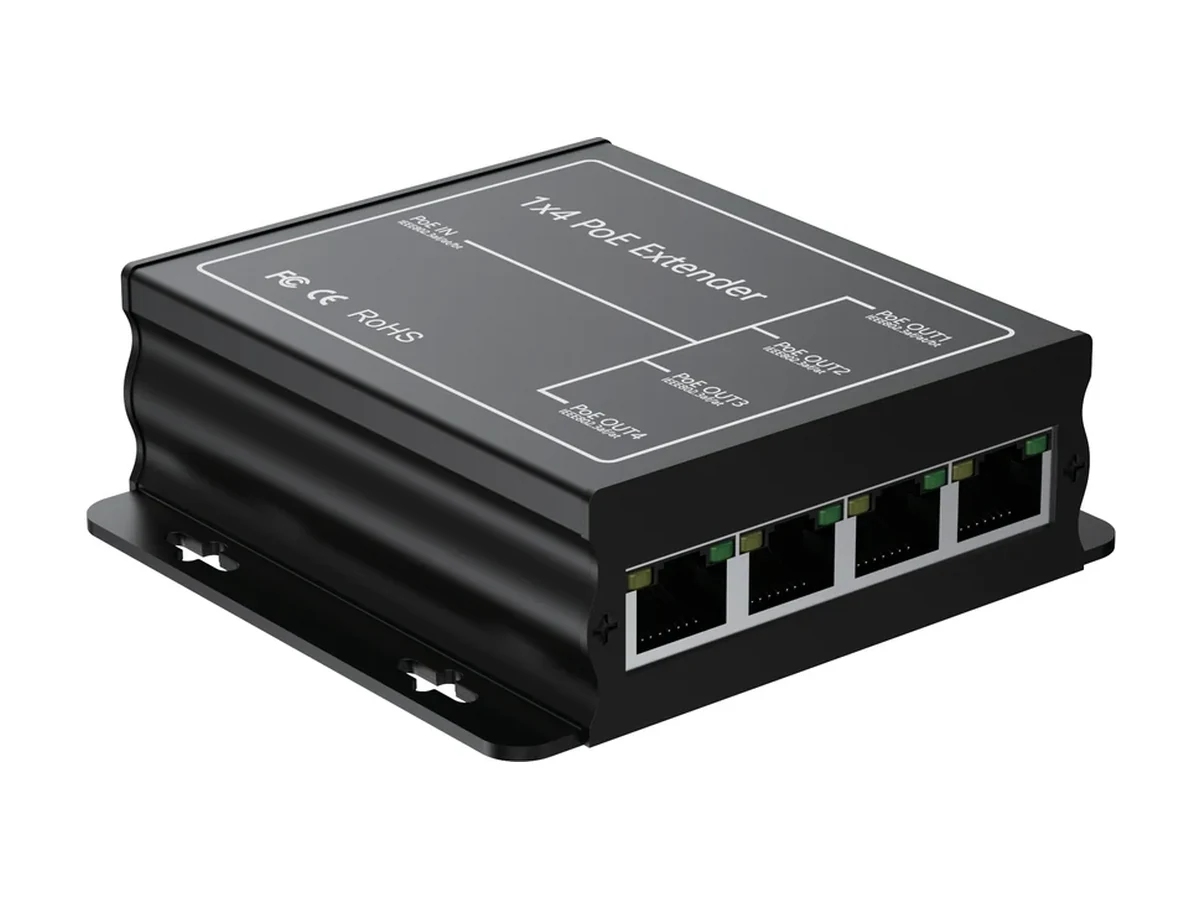
HX-POE104
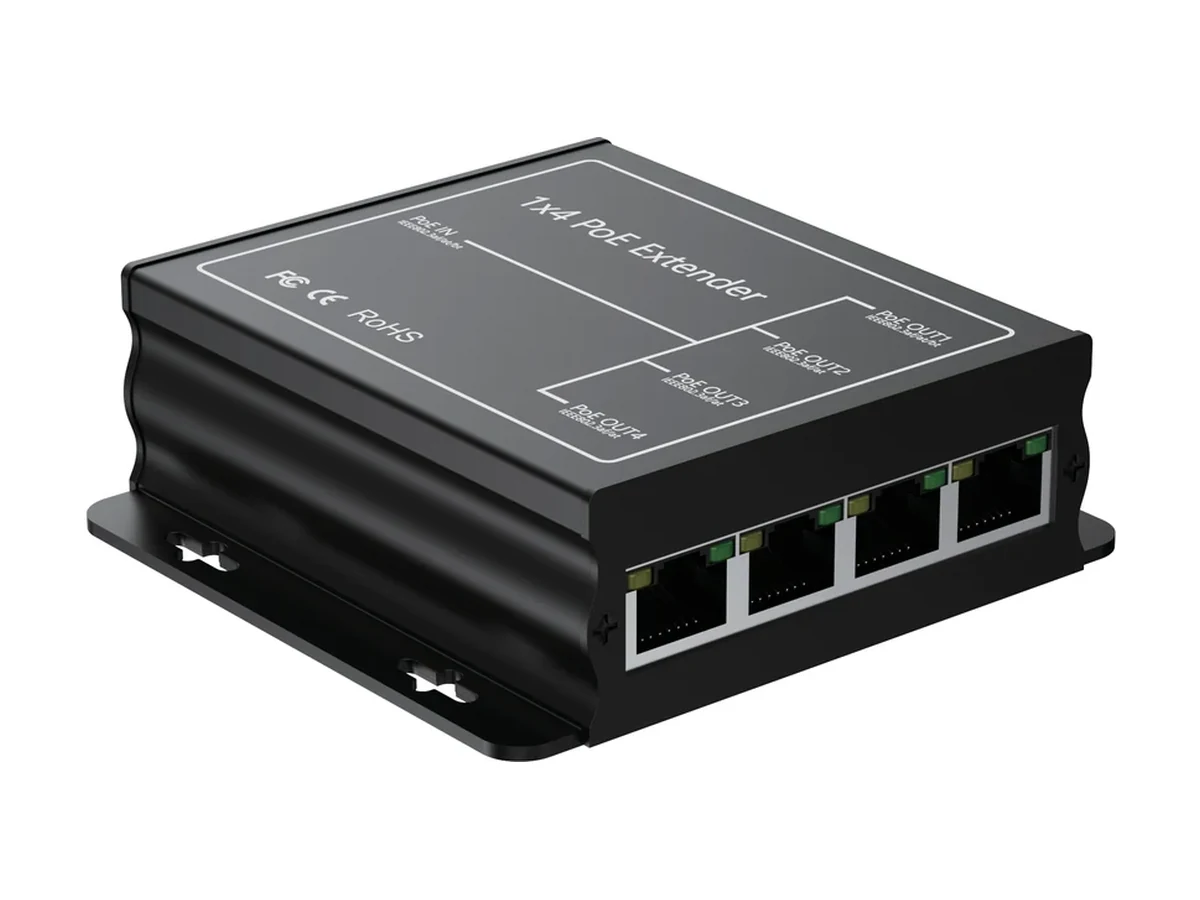
HX-POE104/G
Buyers use the two names interchangeably and they are frequently mixed up in listings. In this range the distinction is simple, and it changes what you can connect at the far end.
| PoE repeater / PoE extender | Network extender | |
|---|---|---|
| What it carries | Data and PoE power downstream | Data only — power has to come from somewhere else |
| Far end | A PoE camera or AP needs no local supply | The device needs its own adapter or an injector |
| Power at the far end | Re-supplied from the received budget, up to 30 W per unit (90 W on the bt 4-out model) | None |
| Typical use | Camera 150–400 m from the cabinet on one cable | An office desk or a device that already has power |
| Models here | HX-POE102 / 103 / 104 (indoor), HX-FSPOE101 to HX-FSPOE104 (waterproof) | Covered on IP & PoE over coax for long existing cable runs |
If the far end needs power and you only have a data-only extender, the camera stops working — that is the single most common mistake in a bill of materials for a long camera run.
Each extender passes on at most 30 W of the budget it receives, and every hop adds cable resistance. A 25 W PTZ at the end of two hops is a marginal design; a 6 W dome is comfortable at three.
The chain always draws from the original switch budget. Three cameras behind three extenders do not get three separate 30 W allowances — they share what the switch port supplies, minus the loss in each segment.
As many as the original PSE budget allows after cable and conversion loss. Two or three hops is typical for camera loads; beyond that, local power at the far end or fibre is the better answer.
Yes — the downstream ports re-supply the same budget the unit receives. The rated figure on the model is the ceiling for everything behind it.
Outdoor pole installations need an IP-rated housing with cable glands that are actually tightened. Most outdoor failures we see are mechanical: a connector facing up, a gland never tightened, a housing that fills with condensation.
It is transparent at the Ethernet layer and compatible with standard 802.3af/at PSEs. Non-standard passive injectors need to be checked against the input range on the model page.
Yes, with one extender mid-span: 100 m from the switch to the extender, 100 m from the extender to the camera. Two extenders reach 300 m, and so on — the limit is the switch budget and the loss in each segment rather than the hop count itself.
No on the PoE models here: the unit is powered from its uplink, which is why the far end needs no local socket. That is the difference between a PoE extender and a network extender, and it is what makes a pole installation possible.
20 models
Factory-direct PoE switches — 20 models: {ports} ports, 100M and gigabit, SFP uplinks, {budget} budg…
View category22 models
Factory-direct PoE splitters — 22 models: 48 V PoE in, 12 V / 9 V / 5 V / 24 V out, standard and non…
View category16 models
Factory-direct surge protectors — 16 models: network, PoE, AC power and data-line, In 2.5-10 kA, Ima…
View category