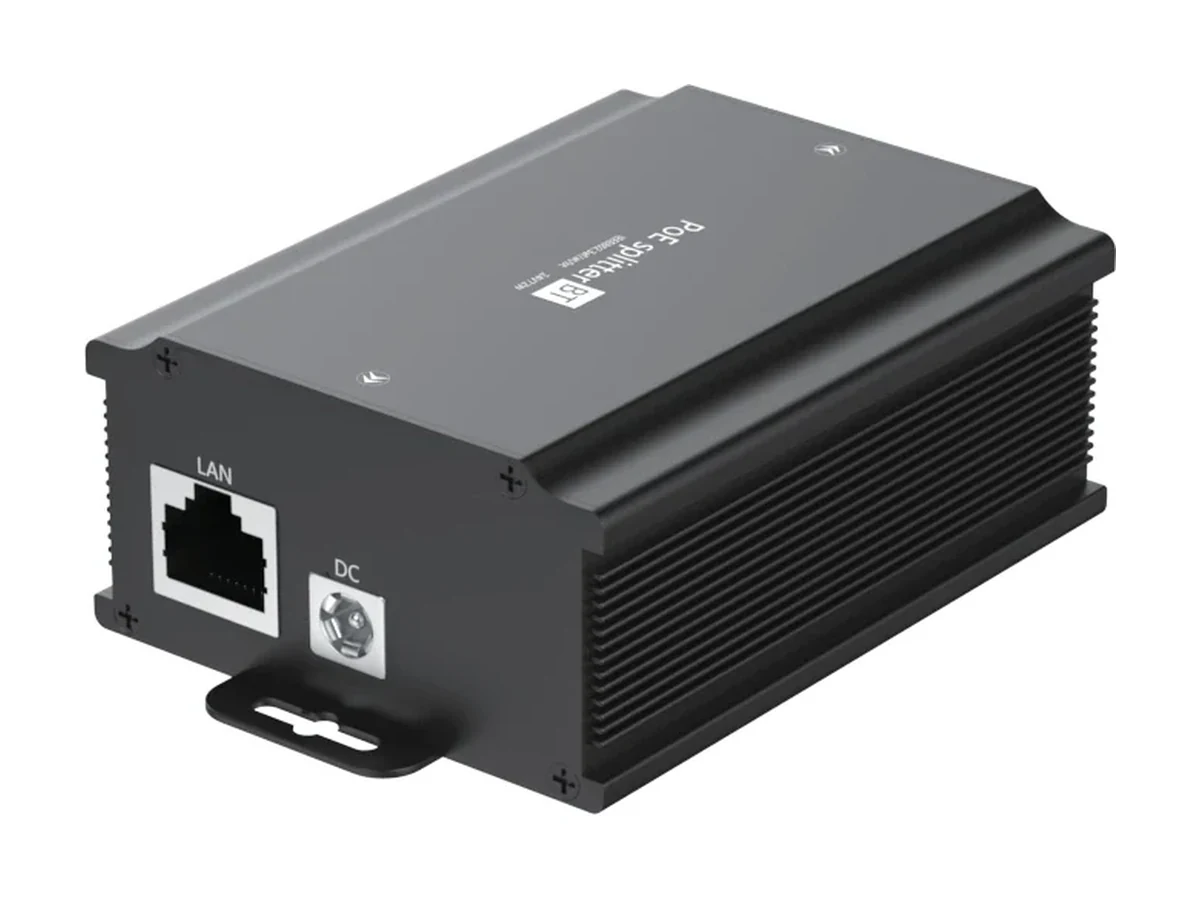
HX-PD024BT
BT Protocol PoE Splitter
- Output
- DC24V/3A
- Connector
- 5.5×2.1mm
Product category
Quick answer
A PoE splitter turns a 48 V PoE line into data plus a DC output — 12 V, 9 V, 5 V or 24 V — for a device that has no PoE port. Match the voltage first, then the current: 12 V / 1.2 A is 14.4 W, 12 V / 2 A is 24 W, and the 802.3bt models reach 72 W. The splitter cannot output more than the PoE port supplies.
A splitter sits at the device end and separates the 48 V PoE feed into data plus a regulated DC output, for equipment that has no PoE port of its own: a relay board, a small switch, a non-PoE camera, an access point with a barrel jack.
The 22 models here cover 12 V, 9 V, 5 V and 24 V outputs, standard and non-standard input, isolated and non-isolated versions, and waterproof housings for outdoor poles.
Every figure below comes from the current product data. Click a model to open its full specification page.
| Model | Output | PoE Input | Output Connector | Speed |
|---|---|---|---|---|
| HX-PD024BTBT Protocol PoE Splitter | DC24V/3A | DC44V-57V(compatible with non-standard DC48V) | 5.5×2.1mm | 10/100/1000Mbps |
| HX-PD02S48V to 12V Standard PoE Splitter | DC12V/1.2A | DC44V-57V(compatible with non-standard DC48V) | 5.5×2.1mm | 10/100Mbps |
| HX-PD02S-G48V to 12V Standard Gigabit PoE Splitter | DC12V/1.2A | DC44V-57V(compatible with non-standard DC48V) | 5.5×2.1mm | 10/100/1000Mbps |
| HX-PD02SAT48V to 12V 2A Standard PoE Splitter | DC12V/2A | DC44V-57V(compatible with non-standard DC48V) | 5.5×2.1mm | 10/100Mbps |
| HX-PD02SBTBT Protocol PoE Splitter | DC12V/6A | DC44V-57V(compatible with non-standard DC48V) | 5.5×2.1mm | 10/100/1000Mbps |
| HX-PD02SFSWaterproof 48V to 12V Standard PoE Splitter | DC12V/1.2A | DC44V-57V(compatible with non-standard DC48V) | 5.5×2.1mm | 10/100Mbps |
| HX-PD03S48V to 12V PoE Splitter (Non-isolated) | DC12V/1.2A | DC44V-57V(compatible with non-standard DC48V) | 5.5×2.1mm | 10/100Mbps |
| HX-PD04S48V to 9V Standard PoE Splitter | DC9V/1.3A | DC44V-57V(compatible with non-standard DC48V) | 5.5×2.1mm | 10/100Mbps |
| HX-PD05S48V to 5V Standard PoE Splitter | DC5V/2.4A | DC44V-57V(compatible with non-standard DC48V) | 5.5×2.1mm | 10/100Mbps |
| HX-PD05SM48V to 5V Standard PoE Splitter | DC5V/2.4A | DC44V-57V(compatible with non-standard DC48V) | 3.5×1.35mm | 10/100Mbps |
| HX-PD06SFSWaterproof 48V to 12V PoE Splitter (Non-isolated) | DC12V/1A | DC44V-57V(compatible with non-standard DC48V) | 5.5×2.1mm | 10/100Mbps |
| HX-PD06SFS-BWaterproof 48V to 12V Standard PoE Splitter | DC12V/1A | DC44V-57V(compatible with non-standard DC48V) | 5.5×2.1mm | 10/100Mbps |
| HX-PD06SFS-GWaterproof 48V to 12V Gigabit PoE Splitter (Non-isolated) | DC12V/1A | DC44V-57V(compatible with non-standard DC48V) | 5.5×2.1mm | 10/100/1000Mbps |
| HX-PD07S48V to 5V Standard PoE Splitter | DC5V/2.4A | DC44V-57V(compatible with non-standard DC48V) | Micro USB | 10/100Mbps |
| HX-PD07S-G48V to 5V Standard Gigabit PoE Splitter | DC5V/2.4A | DC44V-57V(compatible with non-standard DC48V) | Micro USB | 10/100/1000Mbps |
| HX-PD08S48V to 5V Standard PoE Splitter | DC5V/2.4A | DC44V-57V(compatible with non-standard DC48V) | Type-C | 10/100Mbps |
| HX-PD08S-G48V to 5V Standard Gigabit PoE Splitter | DC5V/2.4A | DC44V-57V(compatible with non-standard DC48V) | Type-C | 10/100/1000Mbps |
| HX-PD08SAT-G48V to 5V Standard Gigabit PoE Splitter | DC5V/3.5A | DC44V-57V(compatible with non-standard DC48V) | Type-C | 10/100/1000Mbps |
| HX-PD09S48V to 5V Standard PoE Splitter | DC5V/2.4A | DC44V-57V(compatible with non-standard DC48V) | USB female | 10/100Mbps |
| HX-PD10SFSWaterproof 24V to 12V Non-standard PoE Splitter | DC12V/1A | DC15V-24V | 5.5×2.1mm | 10/100Mbps |
| HX-PDG0548V to 5V Standard Gigabit PoE Splitter | DC5V/4A | DC44V-57V(compatible with non-standard DC48V) | 5.5×2.5mm(other connector available) | 10/100/1000Mbps |
| HX-PDG1248V to 12V Standard Gigabit PoE Splitter | DC12V/2A | DC44V-57V(compatible with non-standard DC48V) | 5.5×2.5mm(other connector available) | 10/100/1000Mbps |
HX-PD024BT
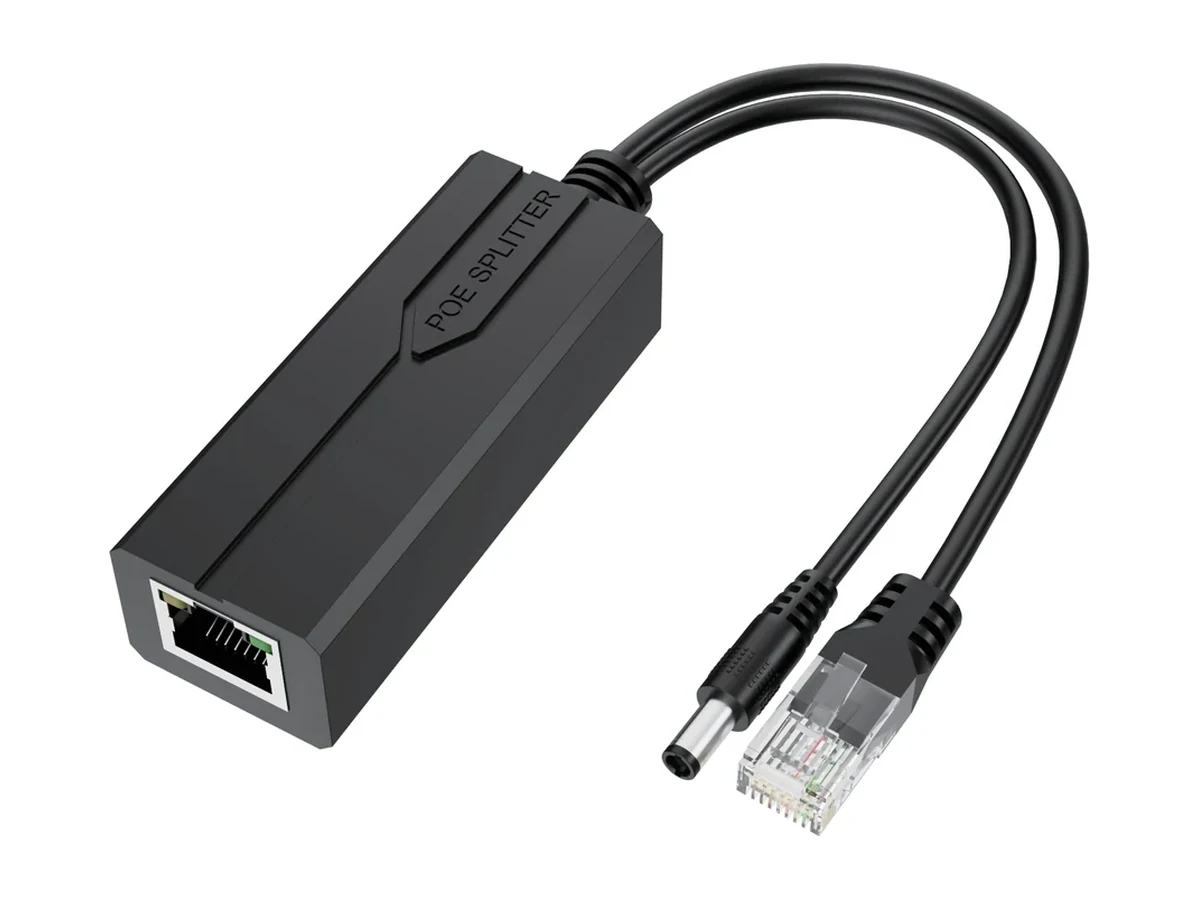
HX-PD02S
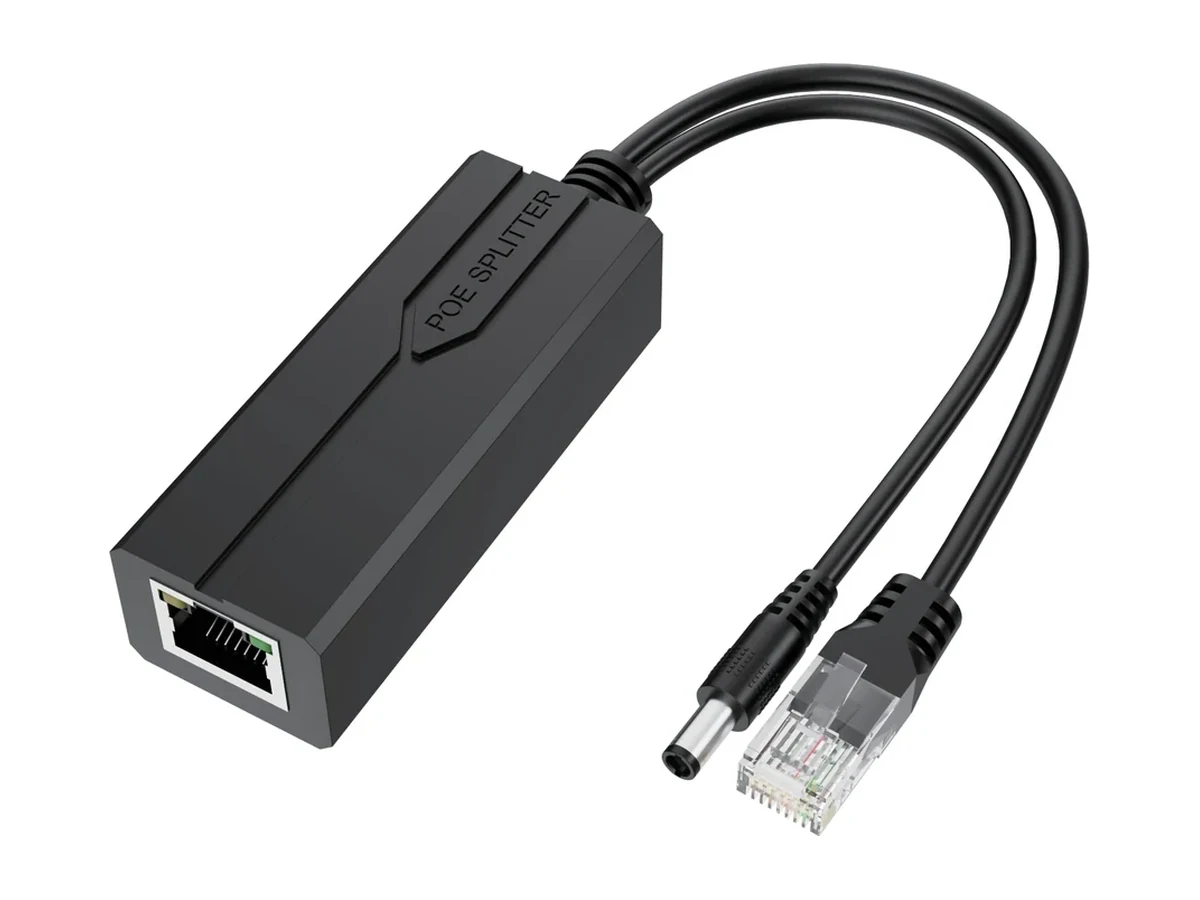
HX-PD02S-G
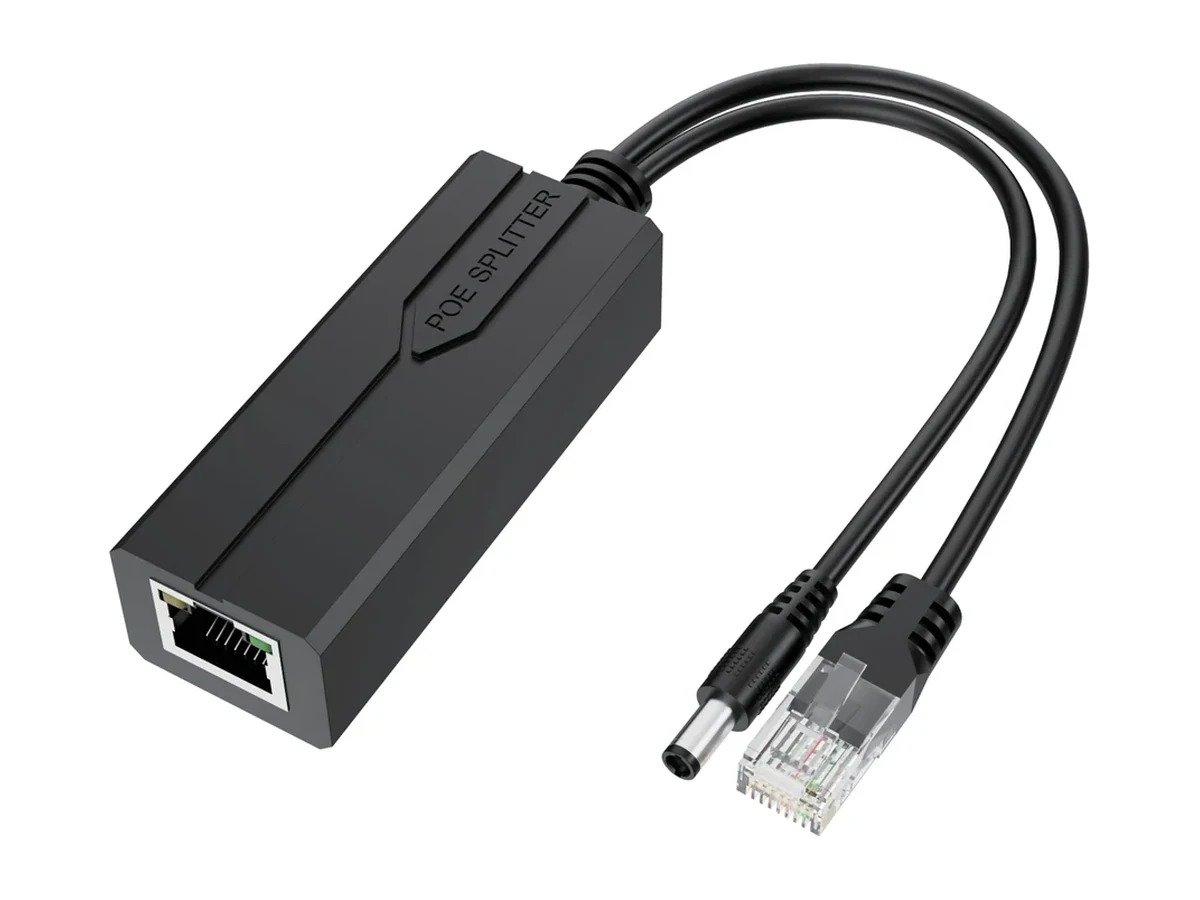
HX-PD02SAT
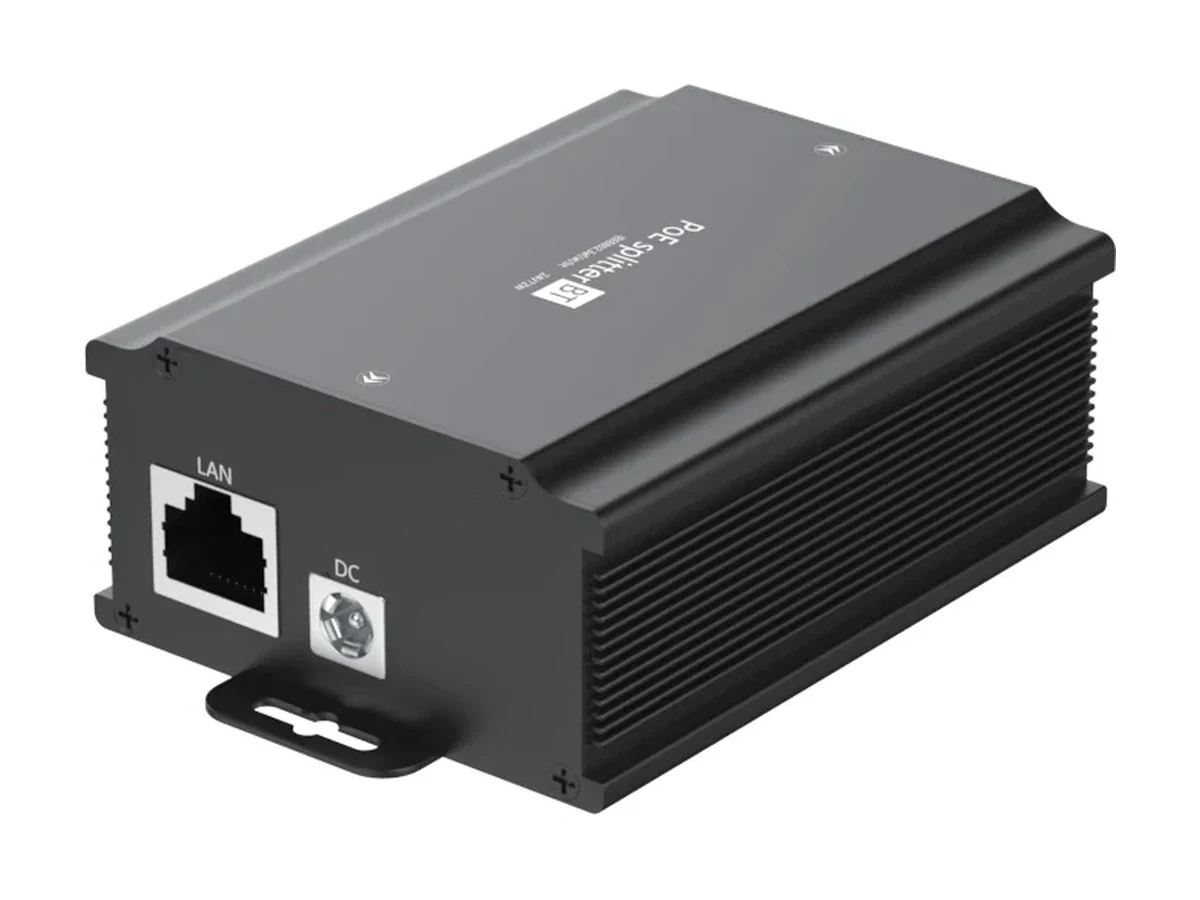
HX-PD02SBT
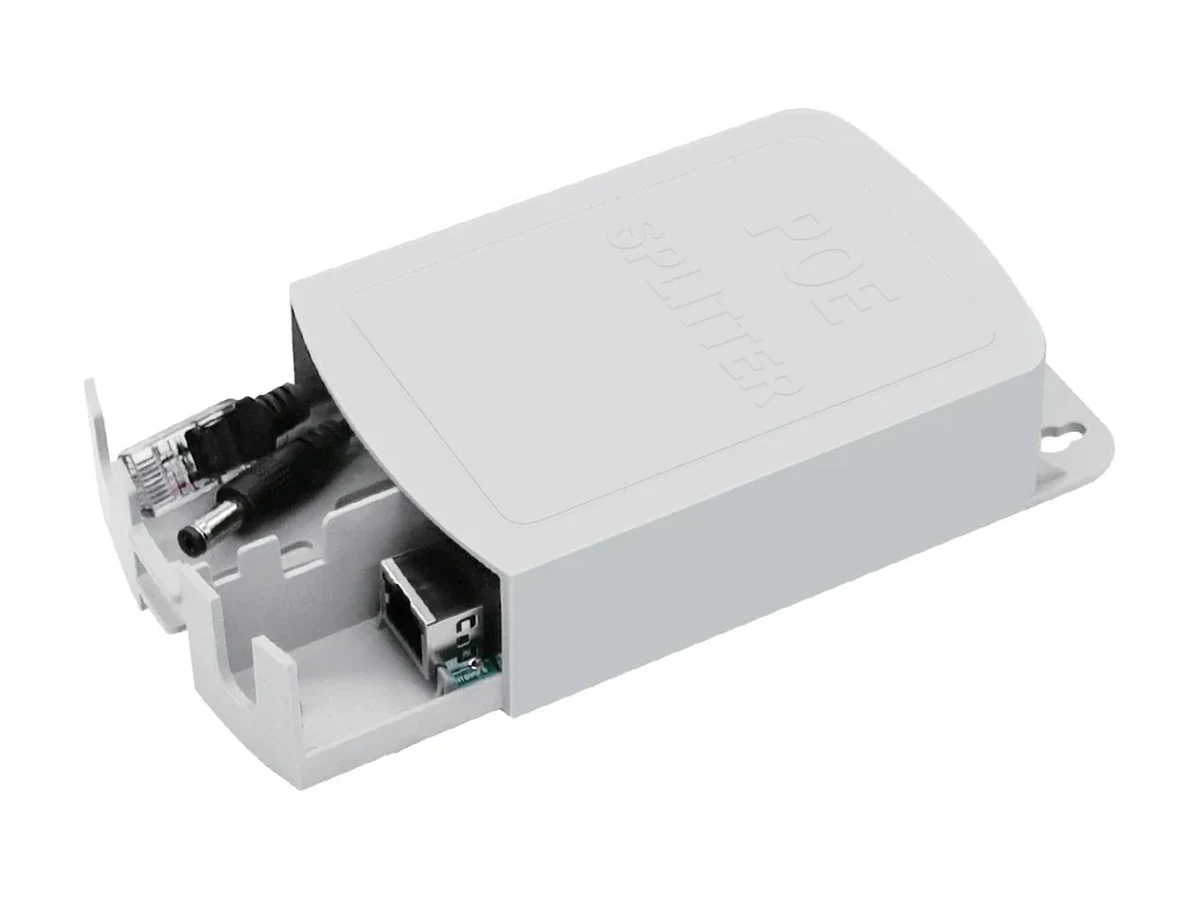
HX-PD02SFS
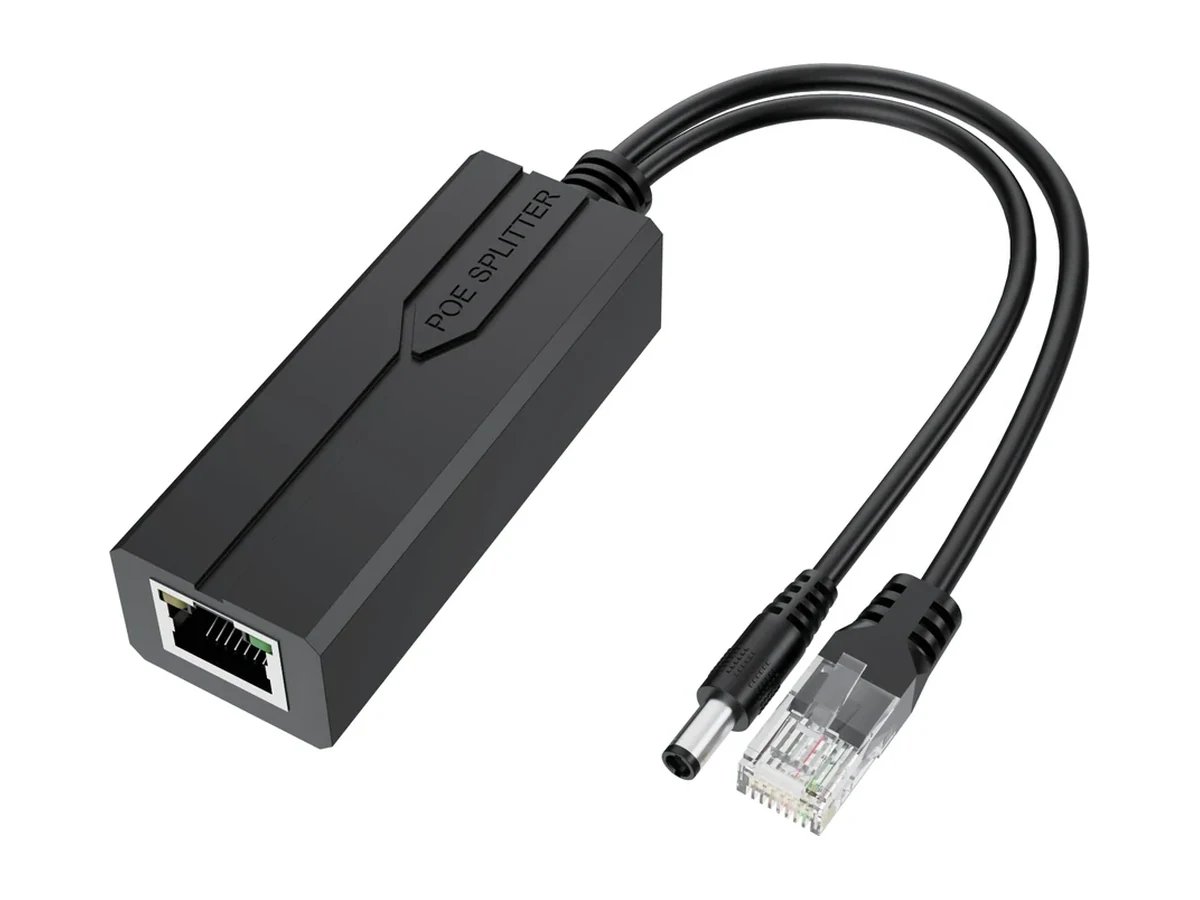
HX-PD03S
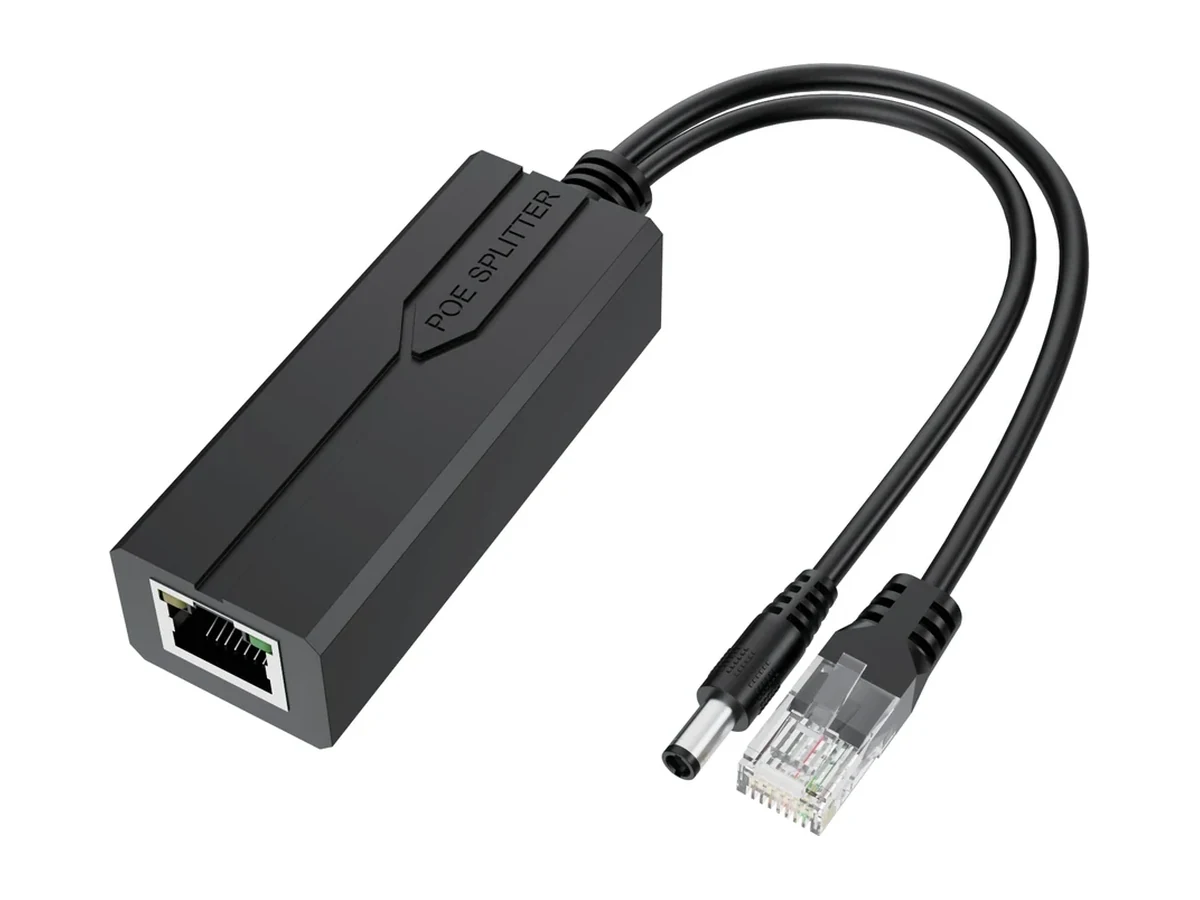
HX-PD04S
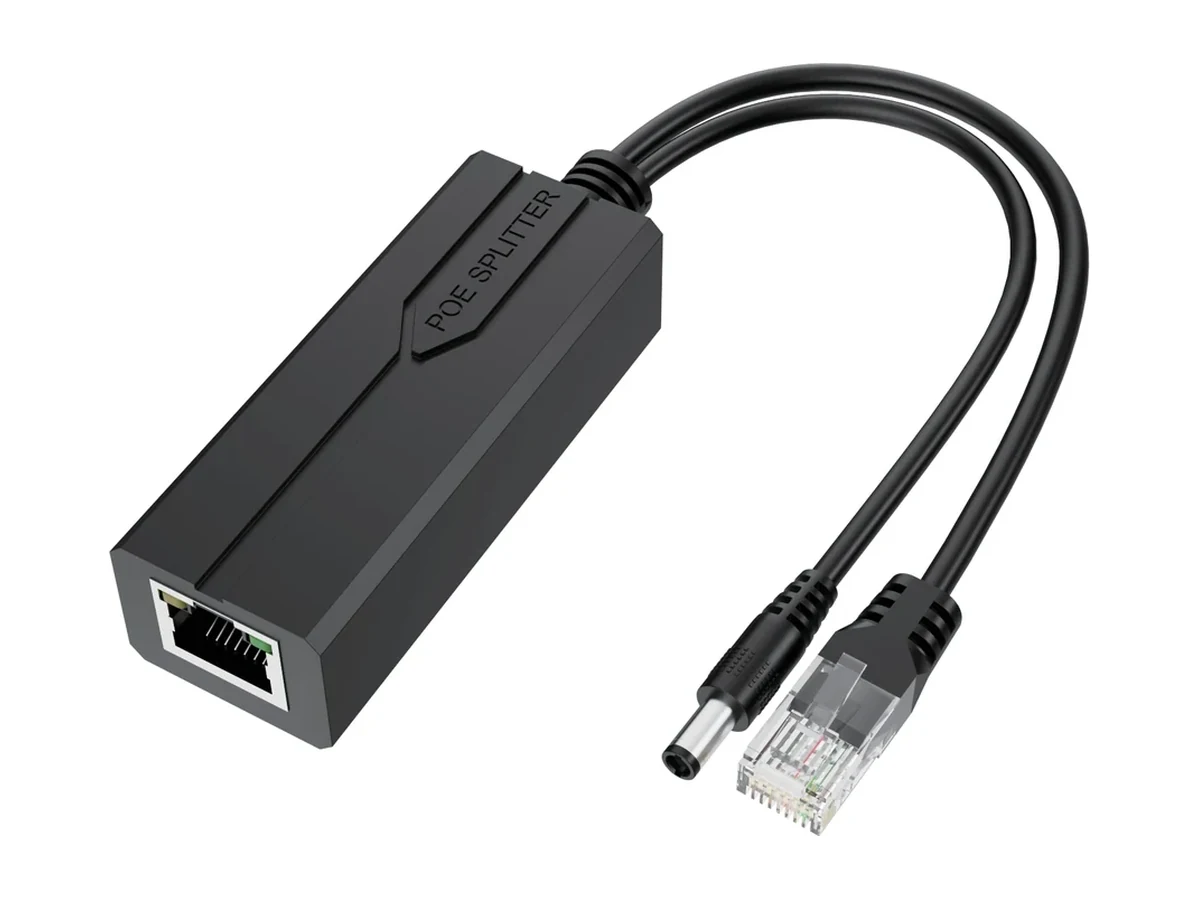
HX-PD05S
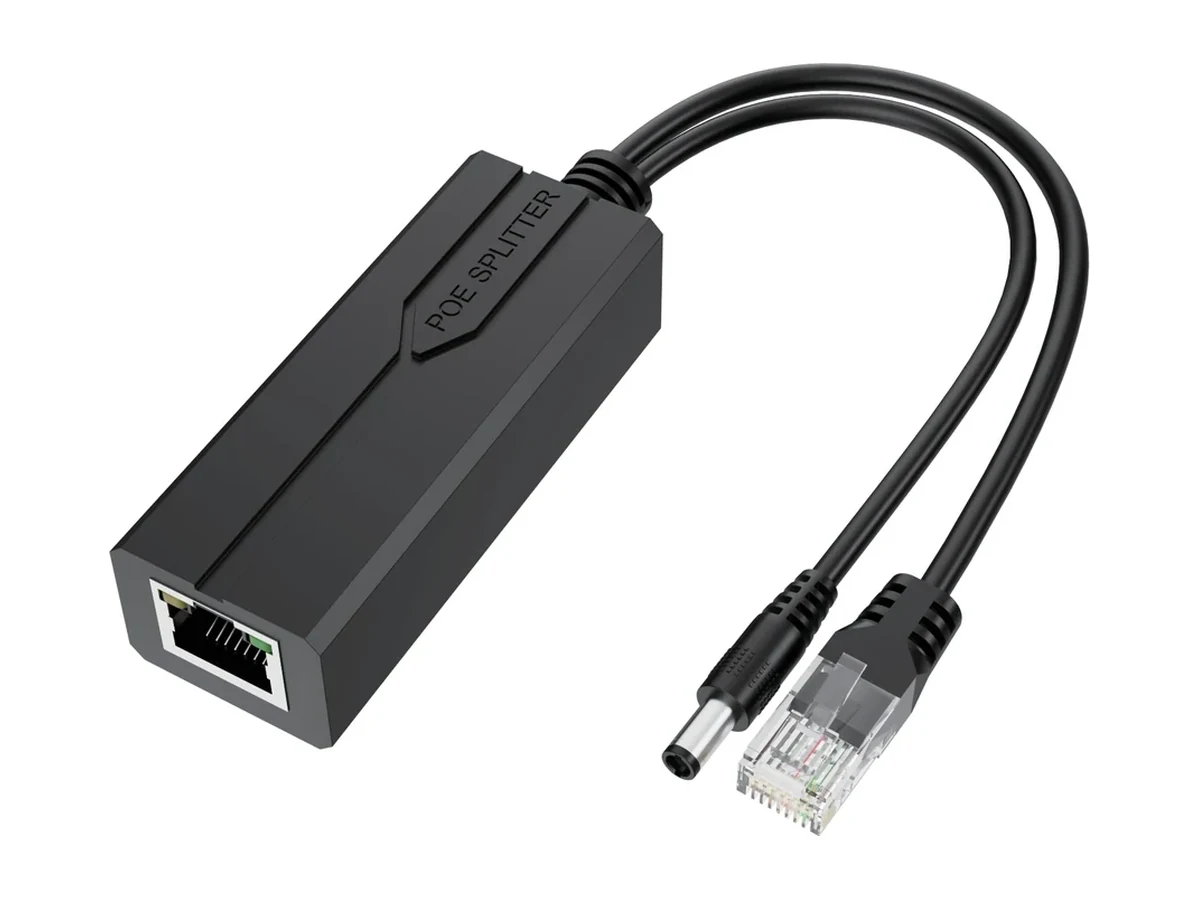
HX-PD05SM
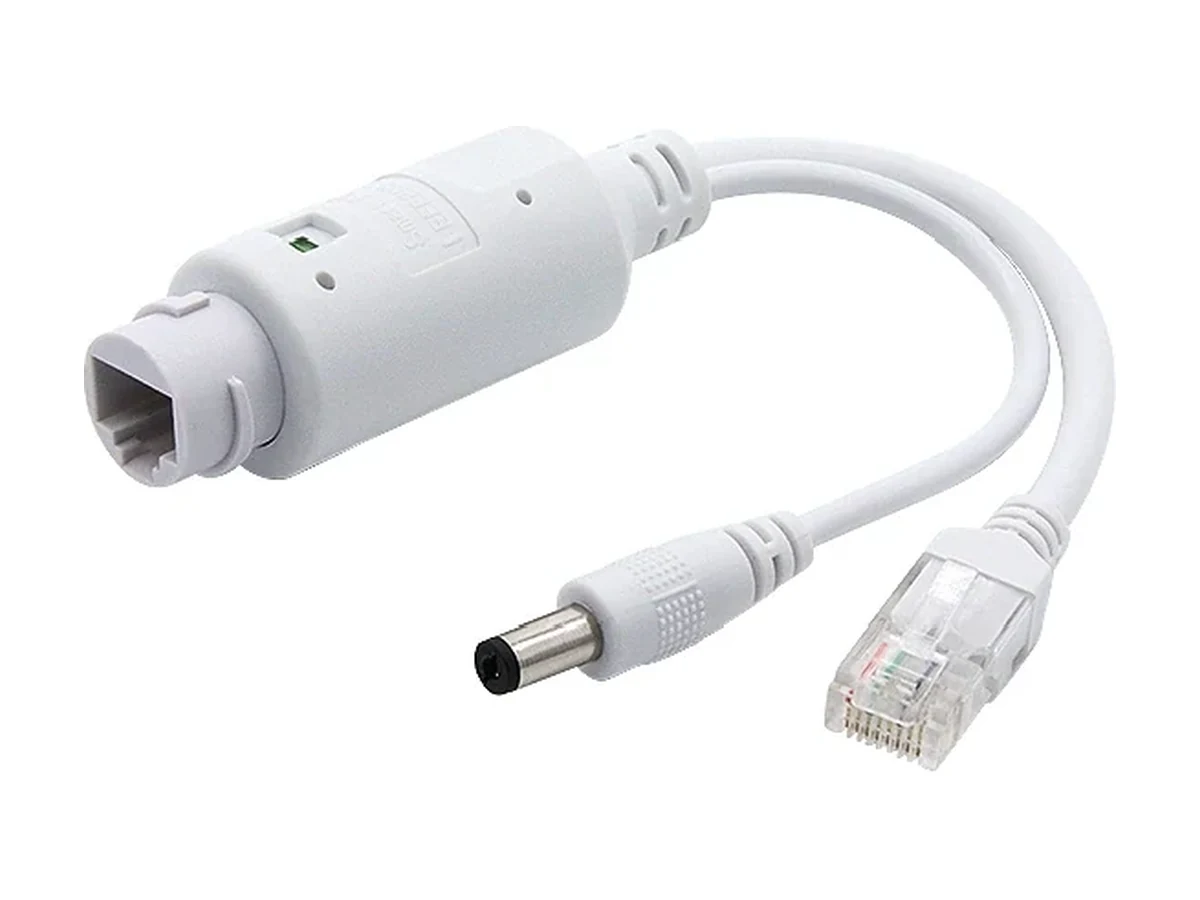
HX-PD06SFS
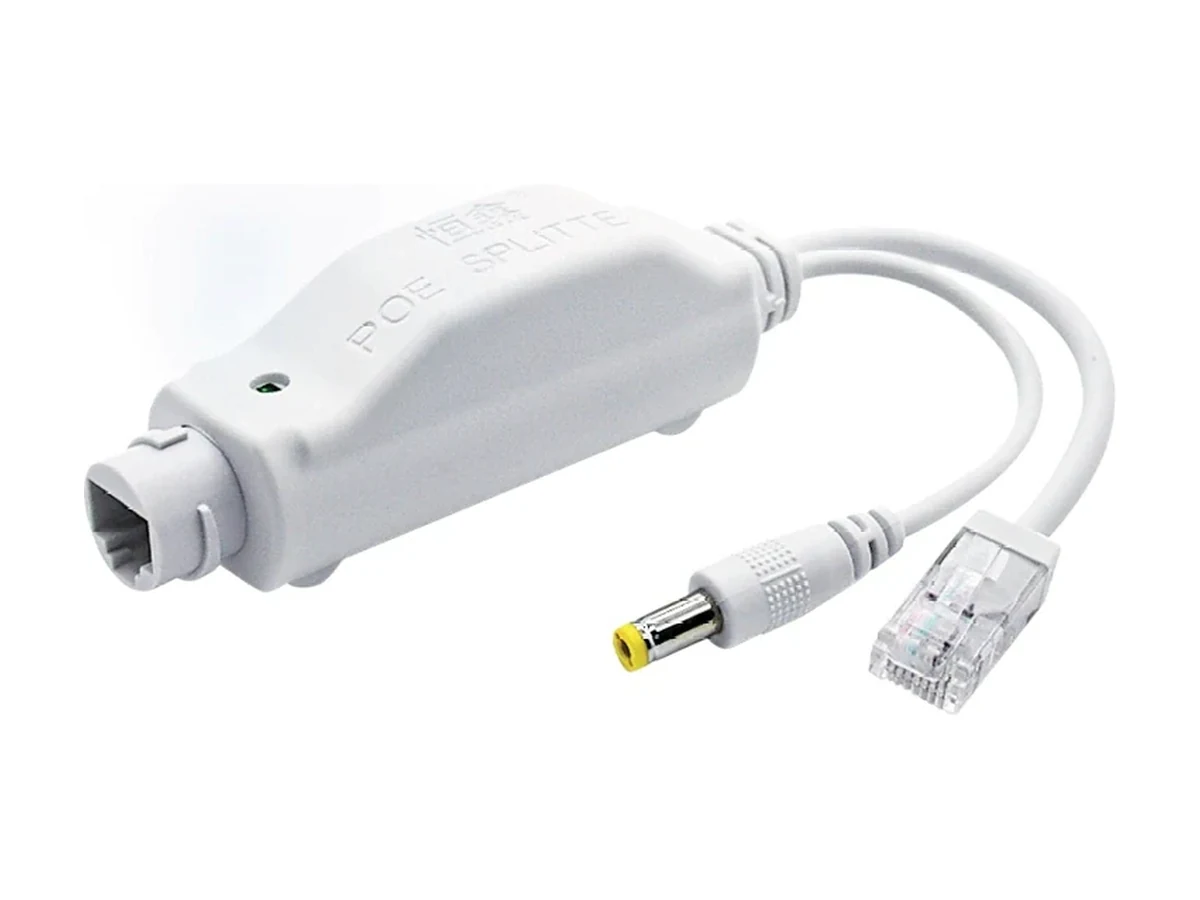
HX-PD06SFS-B
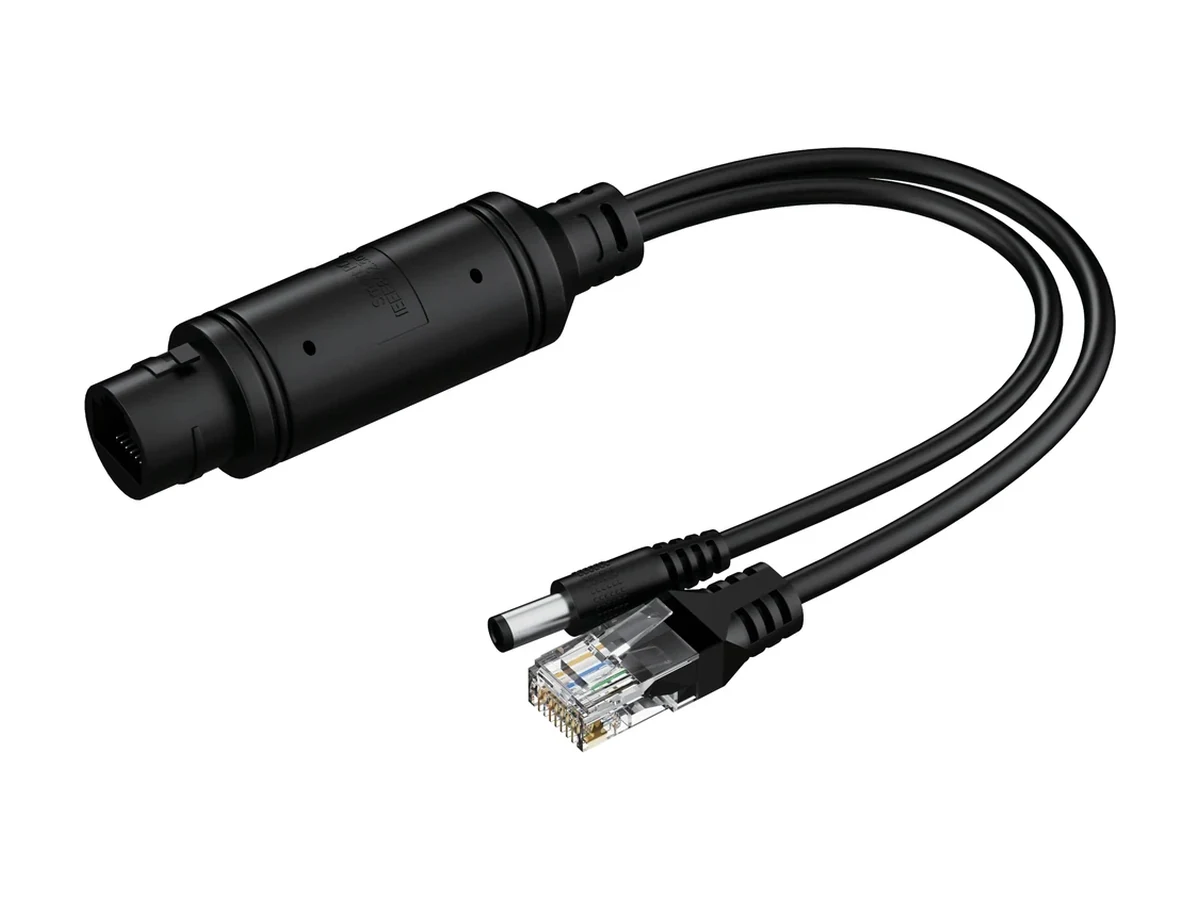
HX-PD06SFS-G
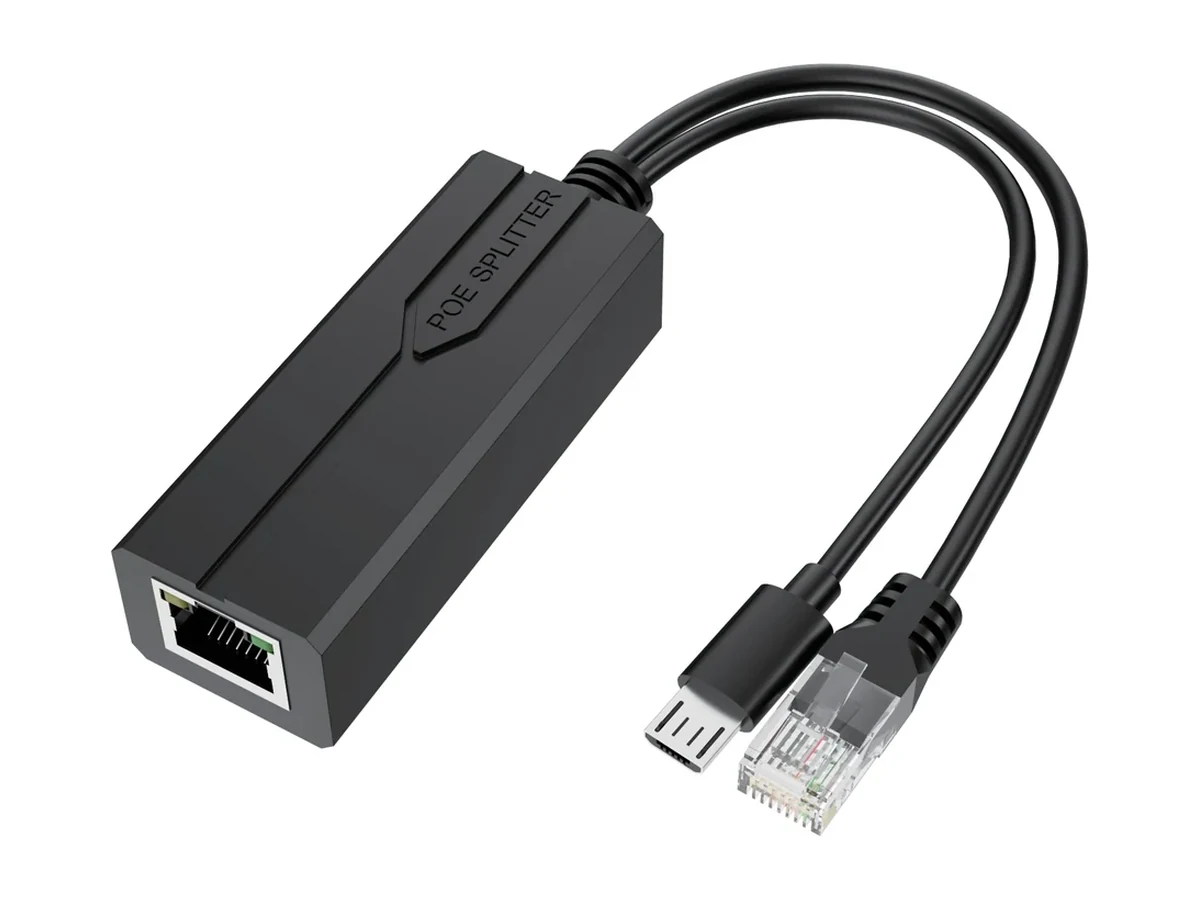
HX-PD07S
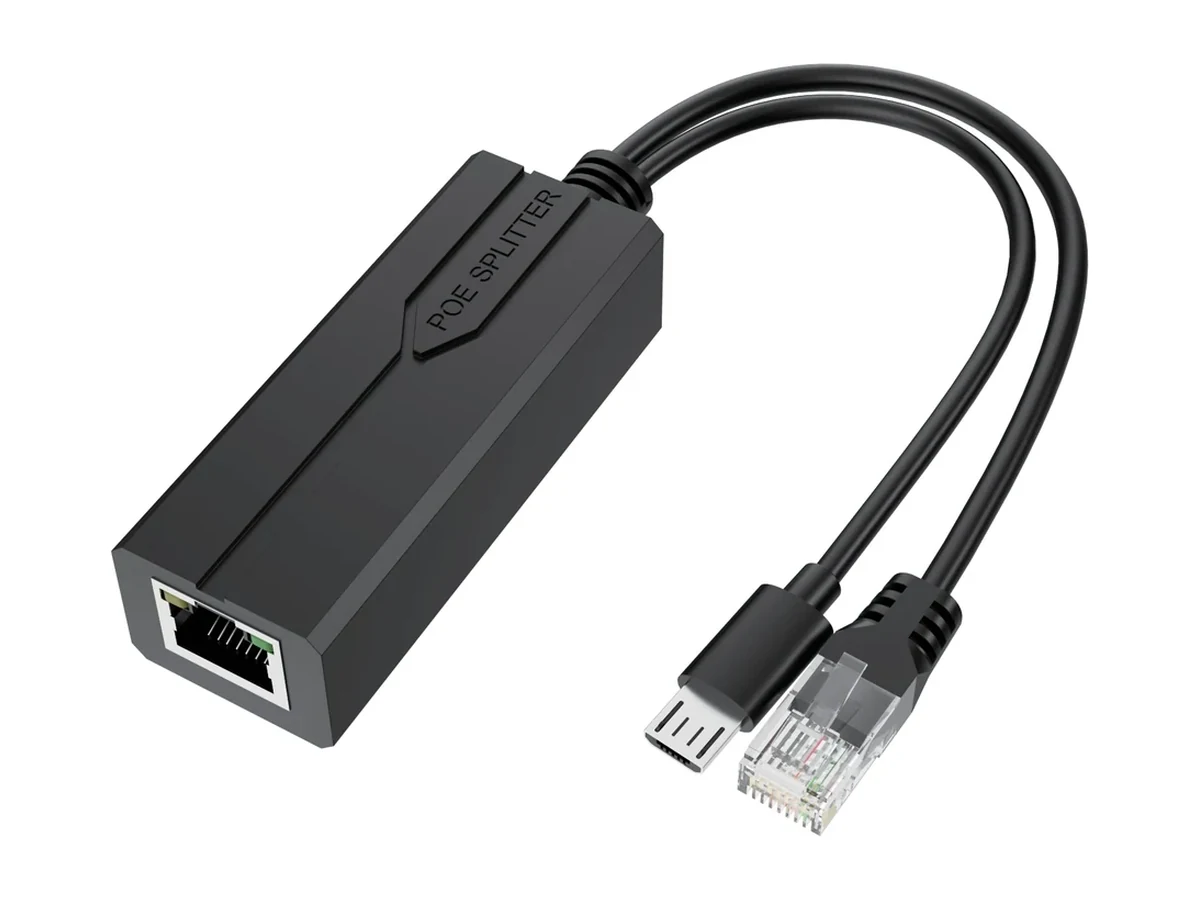
HX-PD07S-G
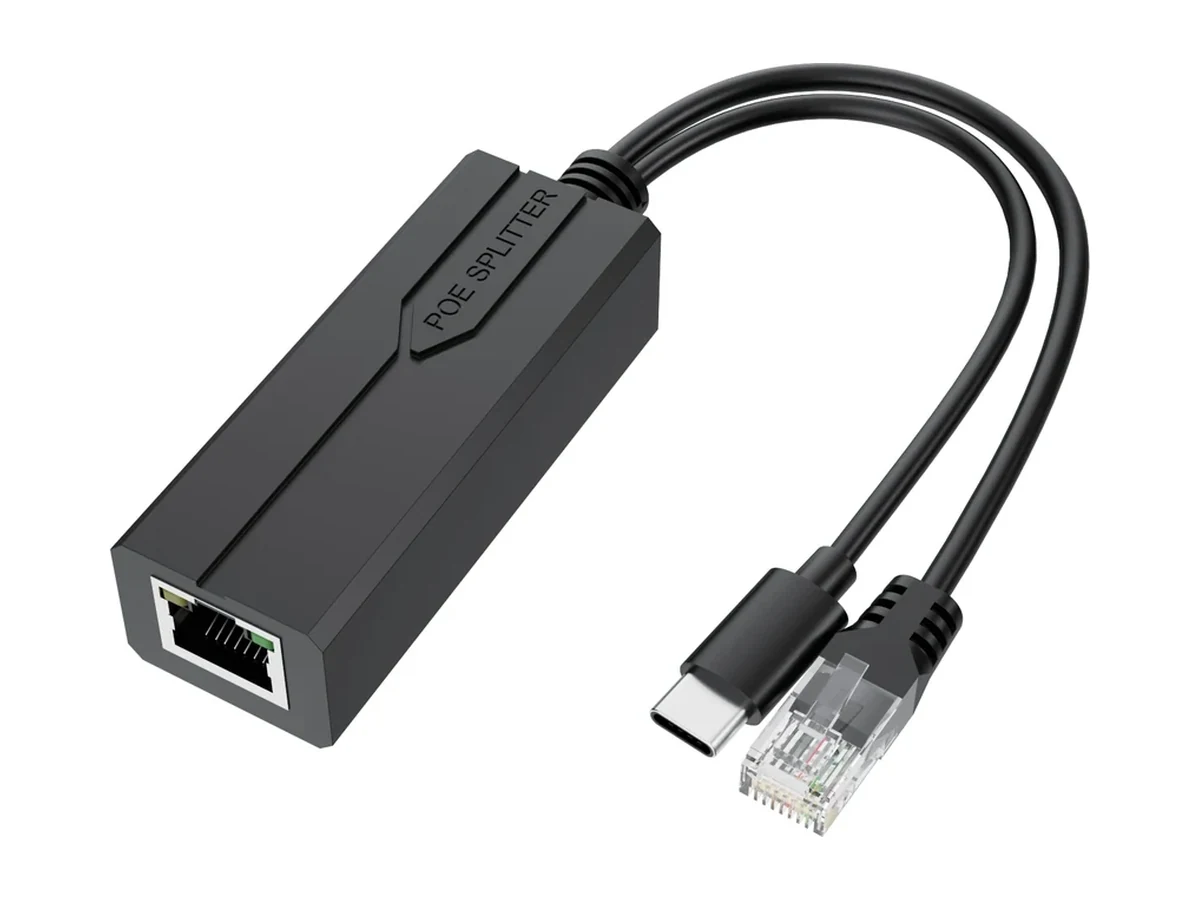
HX-PD08S
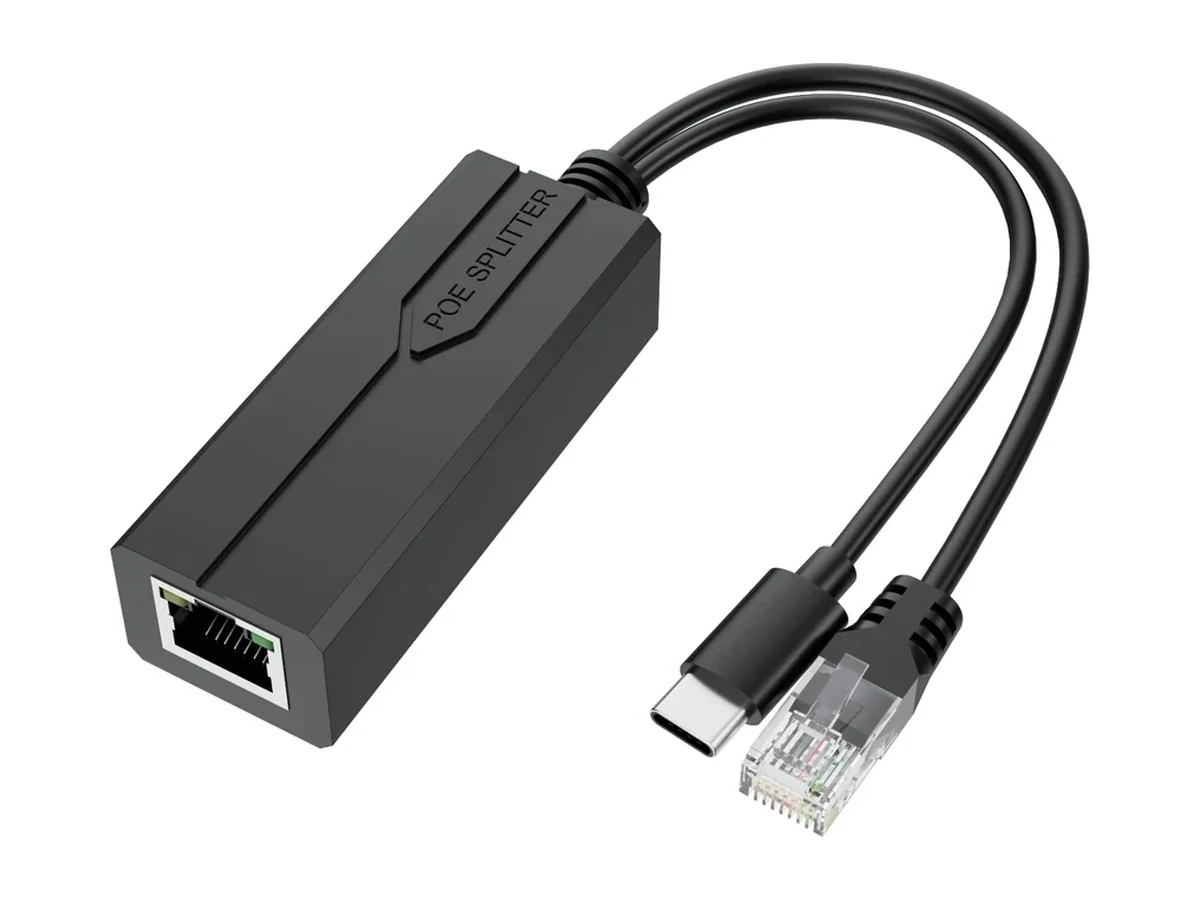
HX-PD08S-G
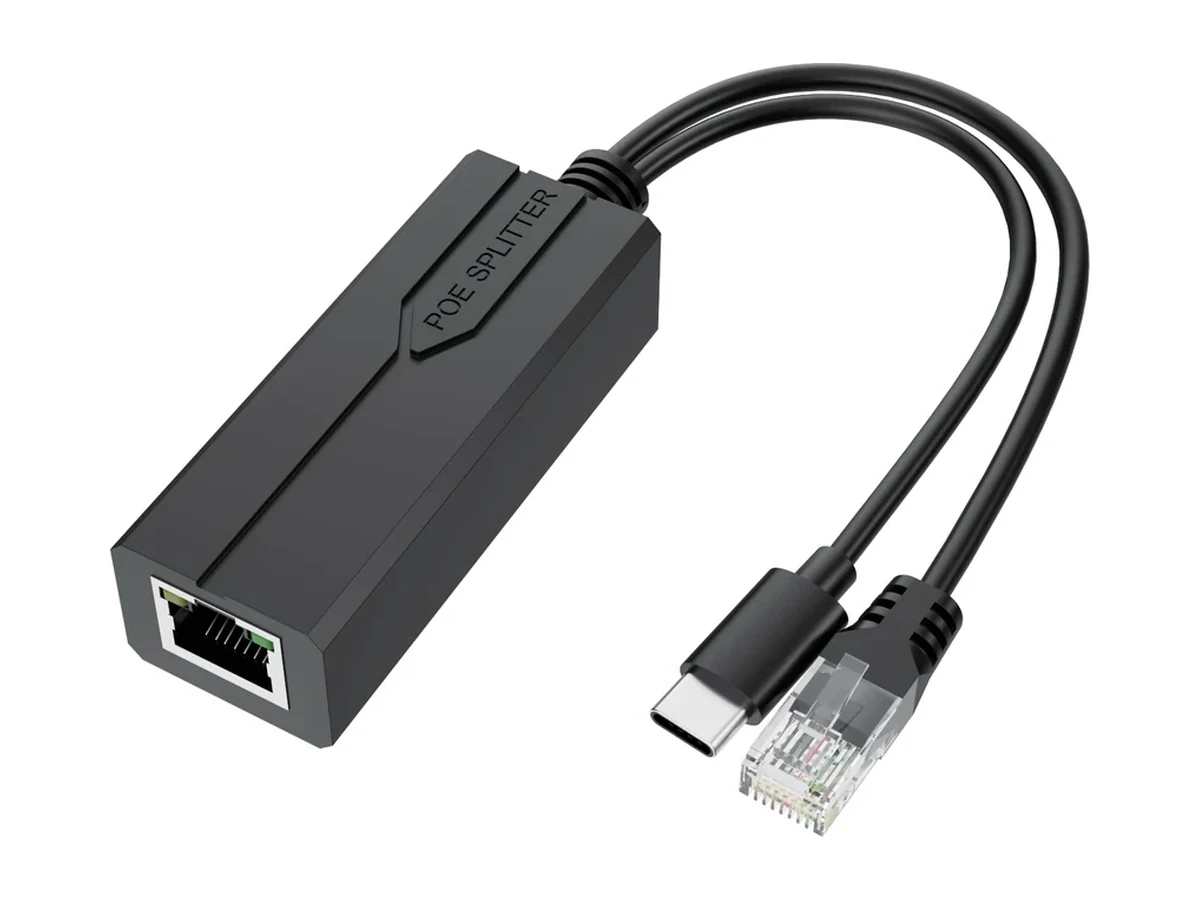
HX-PD08SAT-G
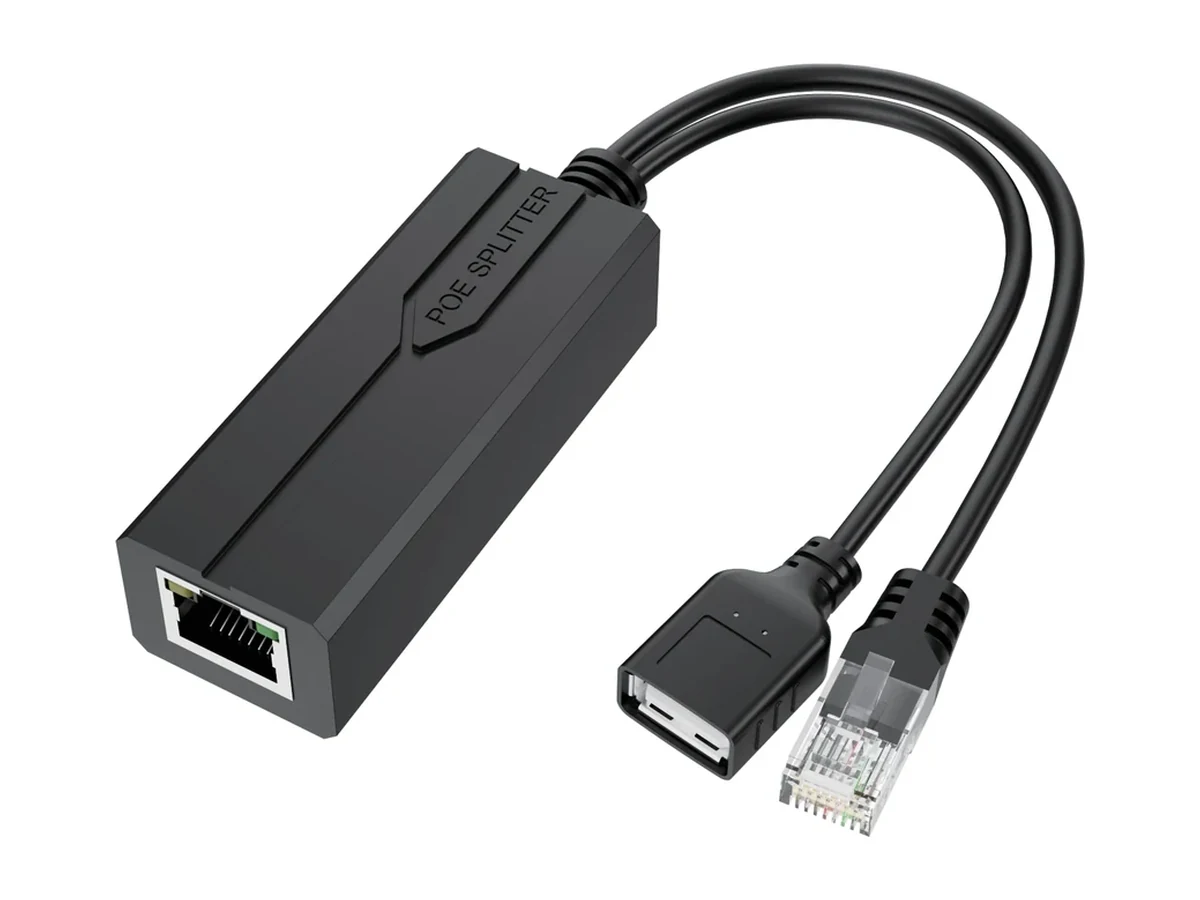
HX-PD09S
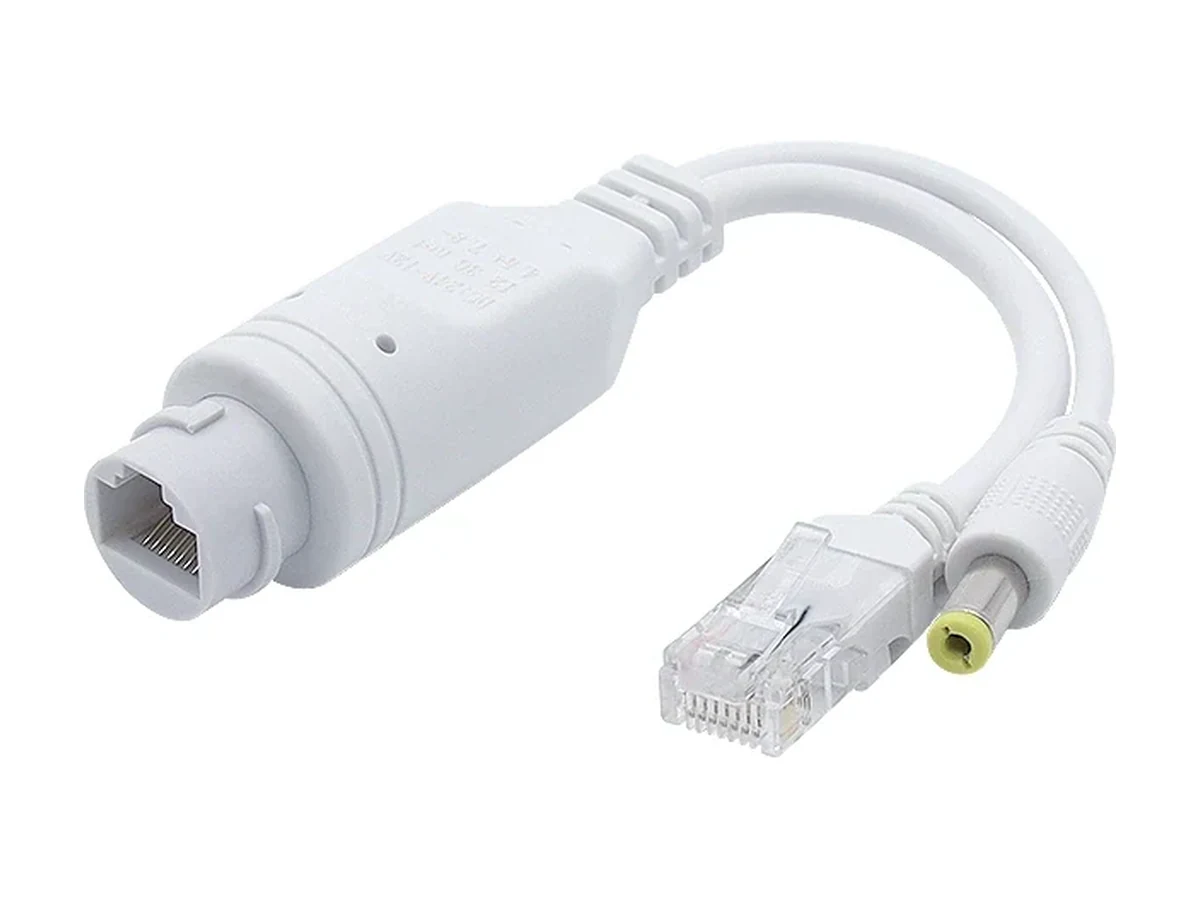
HX-PD10SFS
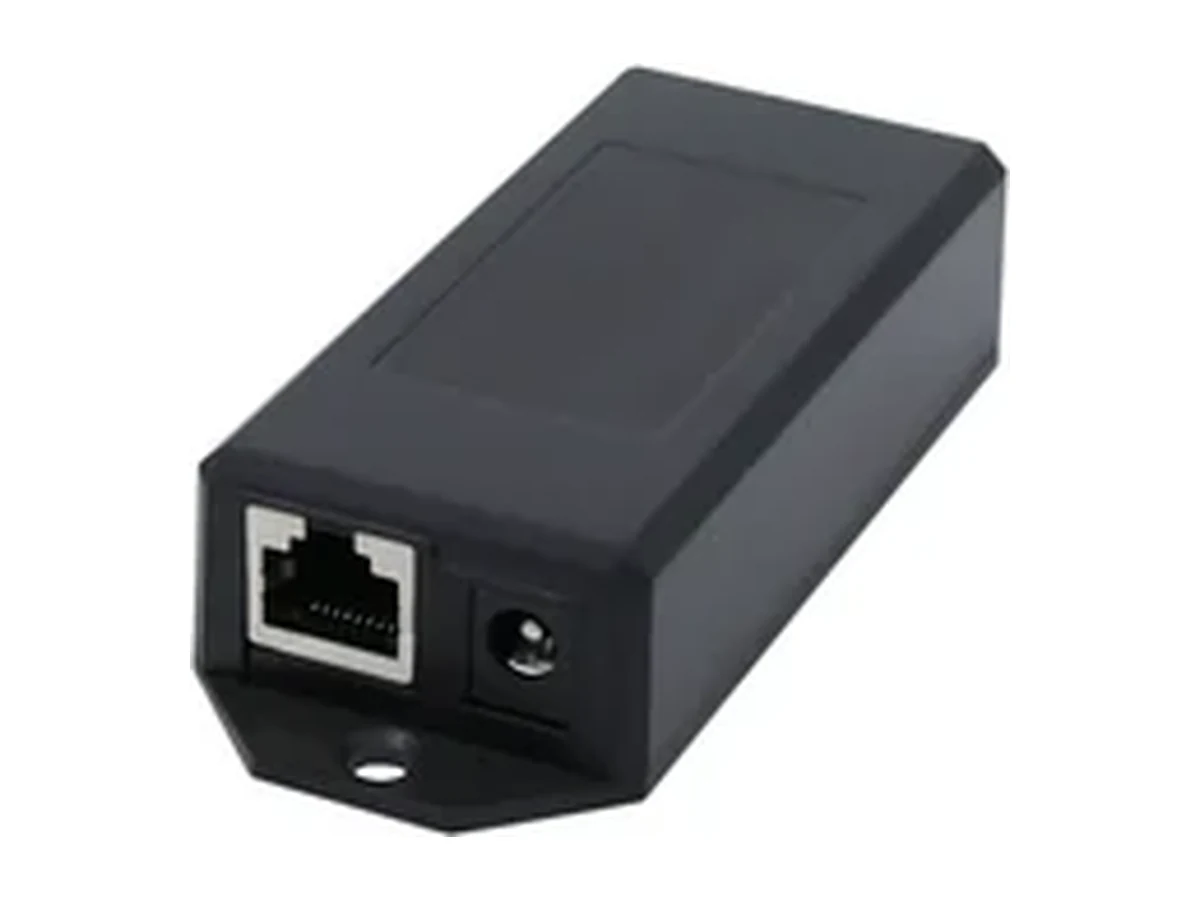
HX-PDG05
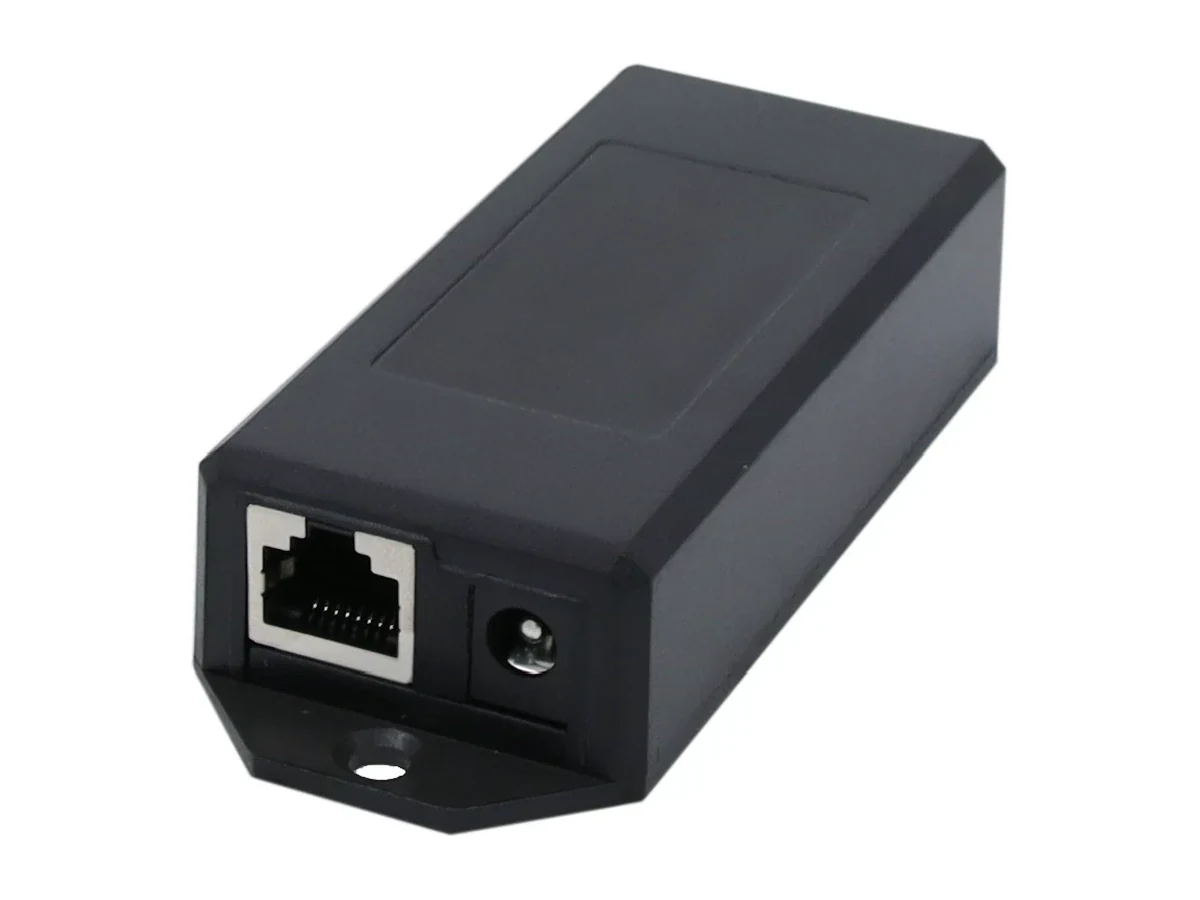
HX-PDG12
The output is fixed per model — a splitter does not have selectable voltages. Read the device label for the voltage and the rated current, then choose the model that matches both.
| Output | Max power | Models | Typical device |
|---|---|---|---|
| DC 5 V / 2.4 A | 12 W | HX-PD05S, HX-PD05SM, HX-PD07S, HX-PD08S, HX-PD09S | Small switches, sensors, USB-powered boards |
| DC 5 V / 3.5 A | 17.5 W | HX-PD08SAT-G | Gigabit devices with a higher 5 V draw |
| DC 5 V / 4 A | 20 W | HX-PDG05 | Gigabit 5 V devices at the top of the range |
| DC 9 V / 1.3 A | 11.7 W | HX-PD04S | Routers and recorders expecting a 9 V input |
| DC 12 V / 1.2 A | 14.4 W | HX-PD02S, HX-PD02S-G, HX-PD02SFS (waterproof), HX-PD03S | Fixed cameras, small switches, NVRs |
| DC 12 V / 2 A | 24 W | HX-PD02SAT, HX-PDG12 | Cameras and PTZ heads on a 12 V input |
| DC 12 V / 6 A | 72 W | HX-PD02SBT — 802.3bt input | High-power 12 V equipment on a bt line |
| DC 24 V / 3 A | 72 W | HX-PD024BT — 802.3bt input | 24 V equipment on a bt line |
| DC 12 V / 1 A from 24 V passive in | 12 W | HX-PD10SFS (waterproof) | Non-standard 24 V systems, 4/5(+) 7/8(−) wiring |
Gigabit models carry a G in the model number (HX-PD02S-G, HX-PD06SFS-G, HX-PD07S-G, HX-PD08S-G, HX-PD08SAT-G, HX-PDG05, HX-PDG12, HX-PD02SBT, HX-PD024BT). A 10/100 splitter in front of a gigabit camera caps that link at 100 Mbps and nothing on the switch will show it.
The two are often confused because both involve a separate power path, but they sit at opposite ends of the cable. An injector pushes power onto a run from the switch side; a splitter takes power off a run at the device side and converts it to the DC the device needs.
In practice they are used together on a passive system: a passive injector puts a fixed 48 V on the cable and a splitter turns it back into 12 V at the camera. On a PoE switch the injector is unnecessary — the switch already supplies 48 V and the splitter is the only part required. Full comparison: splitter vs injector.
It does not decode or store frames — it separates the DC component from the data pairs. What limits the link is the magnetics rating: a 10/100 splitter in front of a gigabit camera silently caps it at 100 Mbps.
No — a splitter steps down. Devices that need the 48 V rail on a barrel plug are fed by a passive injector or a direct PoE cable instead.
The splitter runs hot and the voltage sags, which usually shows up as a camera that reboots at night when the IR illuminator switches on. Size for the peak draw on the device label plus margin.
Only if the input range covers what the injector sends. Passive 24 V and 48 V systems are not the same thing, and a mismatch is a hardware failure rather than a negotiation failure.
Position on the cable. An injector adds power from the switch side; a splitter removes power at the device side and converts it to 5 V, 9 V, 12 V or 24 V. On a passive run both are used together; on a PoE switch only the splitter is needed.
What the PoE port supplies, minus conversion loss. In practice the model rating is the ceiling: 12 V / 1.2 A is 14.4 W, 12 V / 2 A is 24 W, and the 802.3bt models reach 72 W. A splitter cannot create watts that the switch did not send.
20 models
Factory-direct PoE switches — 20 models: {ports} ports, 100M and gigabit, SFP uplinks, {budget} budg…
View category8 models
Factory-direct PoE injectors — 8 models: single and multi-port, gigabit and 100M links, 802.3af/at a…
View category20 models
Factory-direct PoE extenders — 20 models: mid-span repeaters that carry data and power past the 100 …
View category