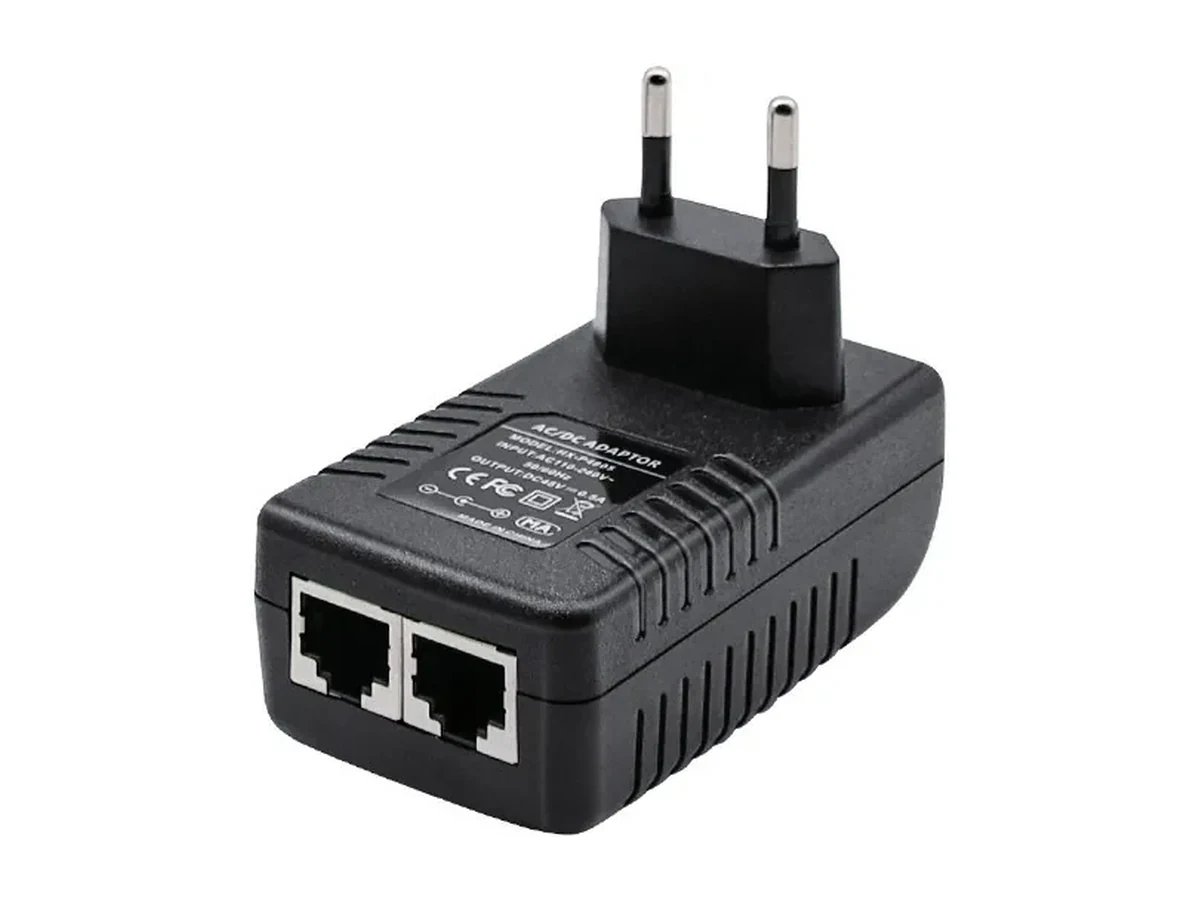
HX-P2410
24V Non-standard PoE Injector
- Speed
- 10/100Mbps
- Power
- —
Product category
Quick answer
A PoE injector puts power on one Ethernet cable run without replacing the switch. It sits between the switch and the device, takes mains power, and merges 48 V DC onto the data pairs. Active models negotiate 802.3af/at/bt with the device; passive models apply a fixed 24 V or 48 V immediately. One injector powers one run — 30 W covers 802.3at, 60 W and 90 W cover bt.
A PoE injector adds power to one cable run without touching the switch. The data path stays where it is; only the powered run changes. That is why injectors dominate retrofit work — adding a camera to a building with a working, configured non-PoE switch is a fifteen-minute job instead of a maintenance window.
The 8 models here cover gigabit and 100M links, 802.3af/at and 802.3bt negotiation, and DC-output variants for devices that do not negotiate PoE at all. Every figure — port count, speed, PoE class — is on the comparison table below.
Every figure below comes from the current product data. Click a model to open its full specification page.
| Model | PoE Standard | Speed | Input |
|---|---|---|---|
| HX-P241024V Non-standard PoE Injector | — | 10/100Mbps | AC100-240V 50/60Hz |
| HX-P480548V Non-standard PoE Injector | — | 10/100Mbps | AC100-240V 50/60Hz |
| HX-P4805GGigabit 48V Non-standard PoE Injector | — | 10/100/1000Mbps | AC100-240V 50/60Hz |
| HX-PD024BFS48V to 24V PoE Converter | — | 10/100/1000Mbps | — |
| HX-PD24BF48V to 24V PoE Converter | — | 10/100/1000Mbps | — |
| HX-PG30Gigabit 30W Standard PoE Injector | IEEE802.3af/at | 10/100/1000Mbps | AC100-240V 50/60Hz |
| HX-PG60Gigabit 60W Standard PoE Injector | IEEE802.3af/at/bt | 10/100/1000Mbps | AC100-240V 50/60Hz |
| HX-PG90Gigabit 90W Standard PoE Injector | IEEE802.3af/at/bt | 10/100/1000Mbps | AC100-240V 50/60Hz |
HX-P2410
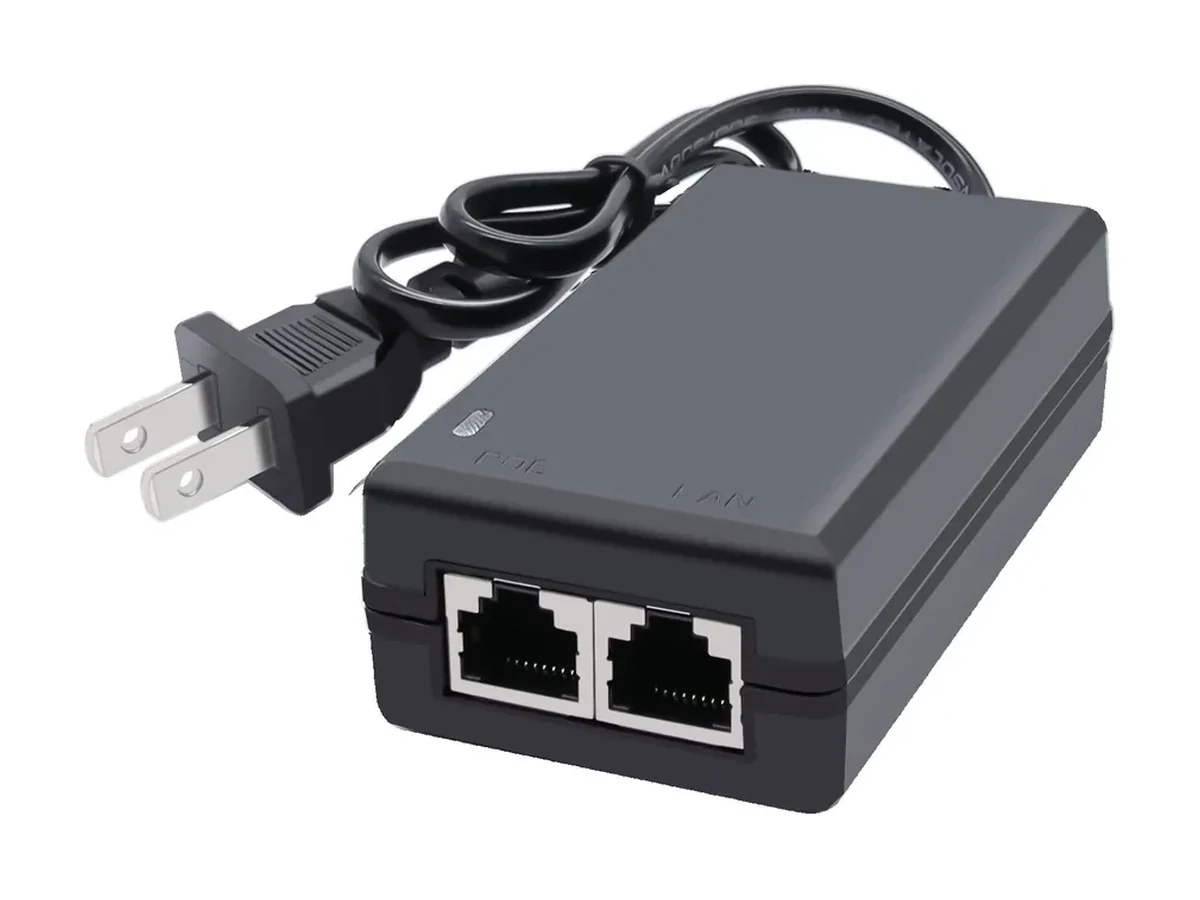
HX-P4805
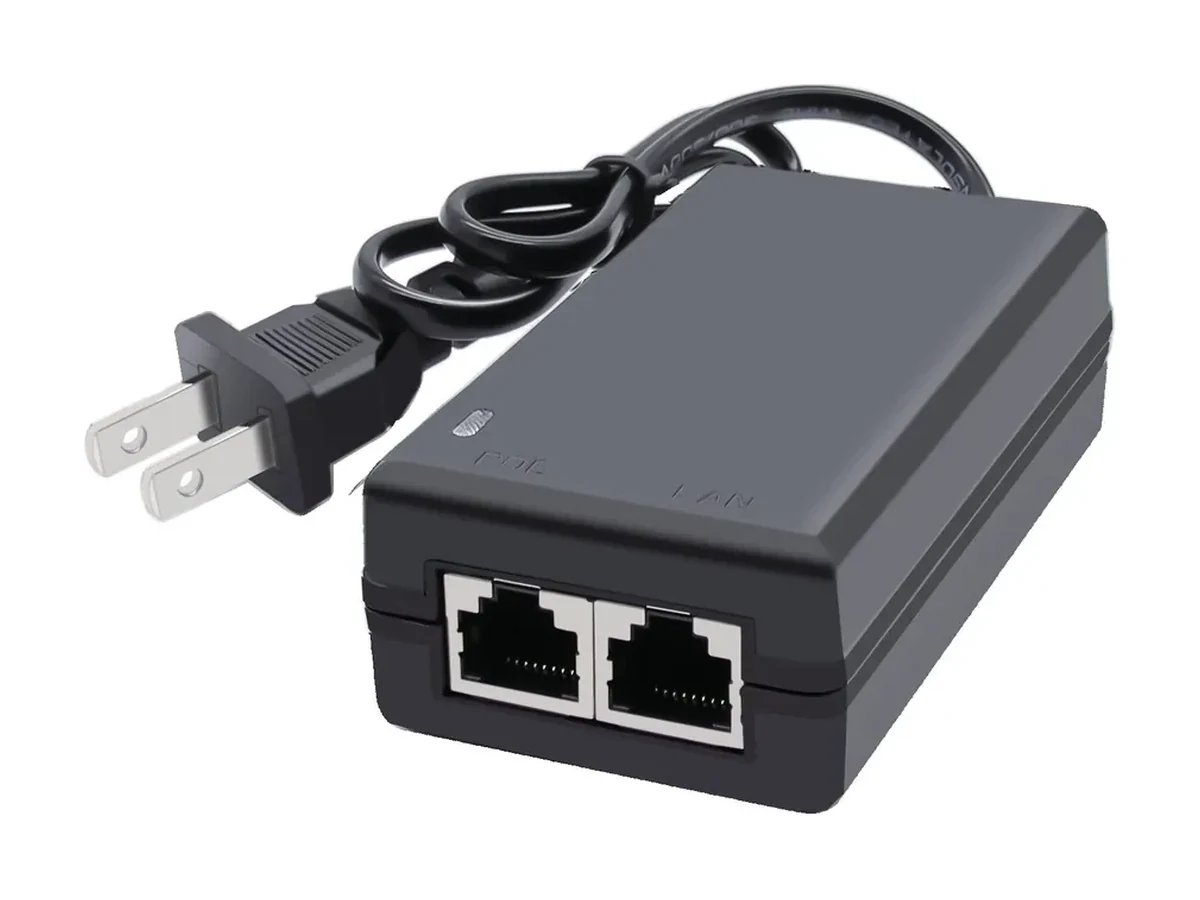
HX-P4805G
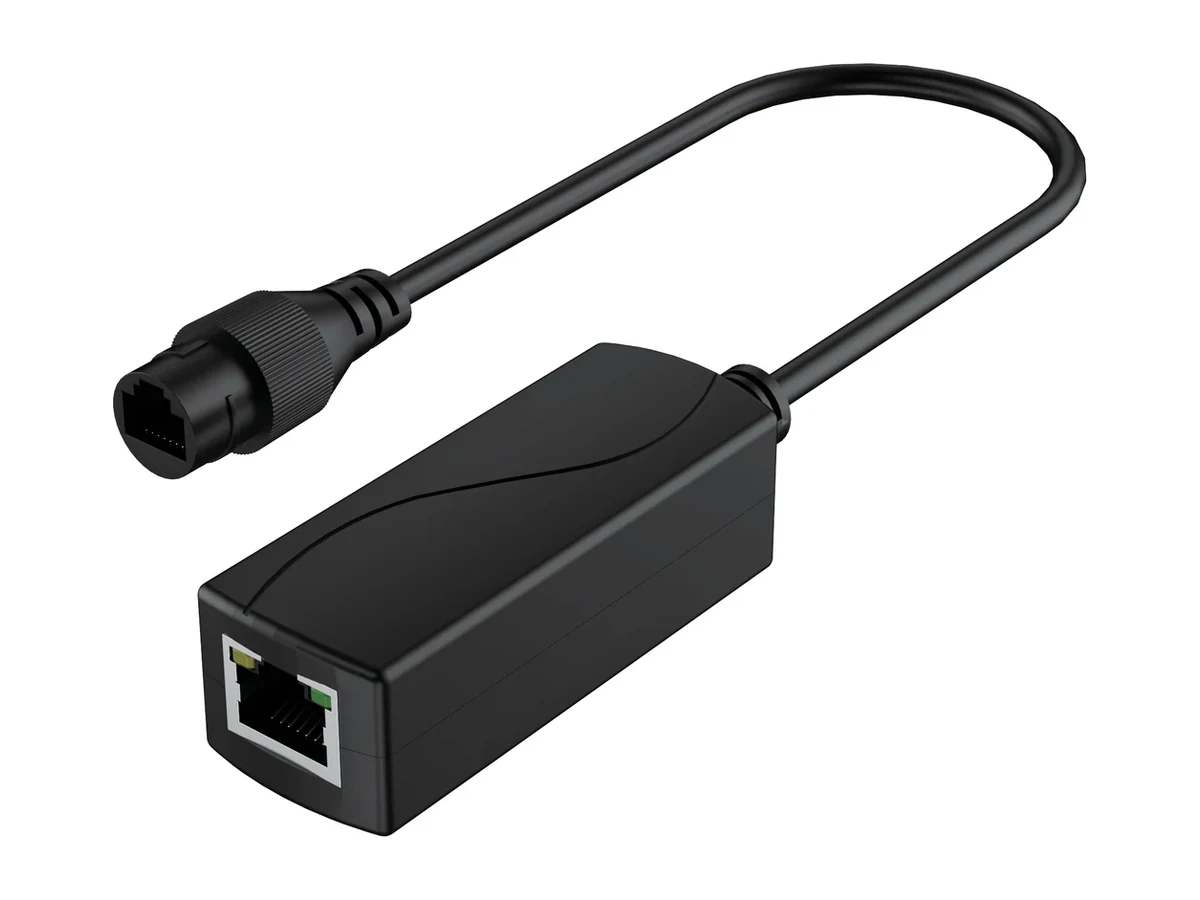
HX-PD024BFS
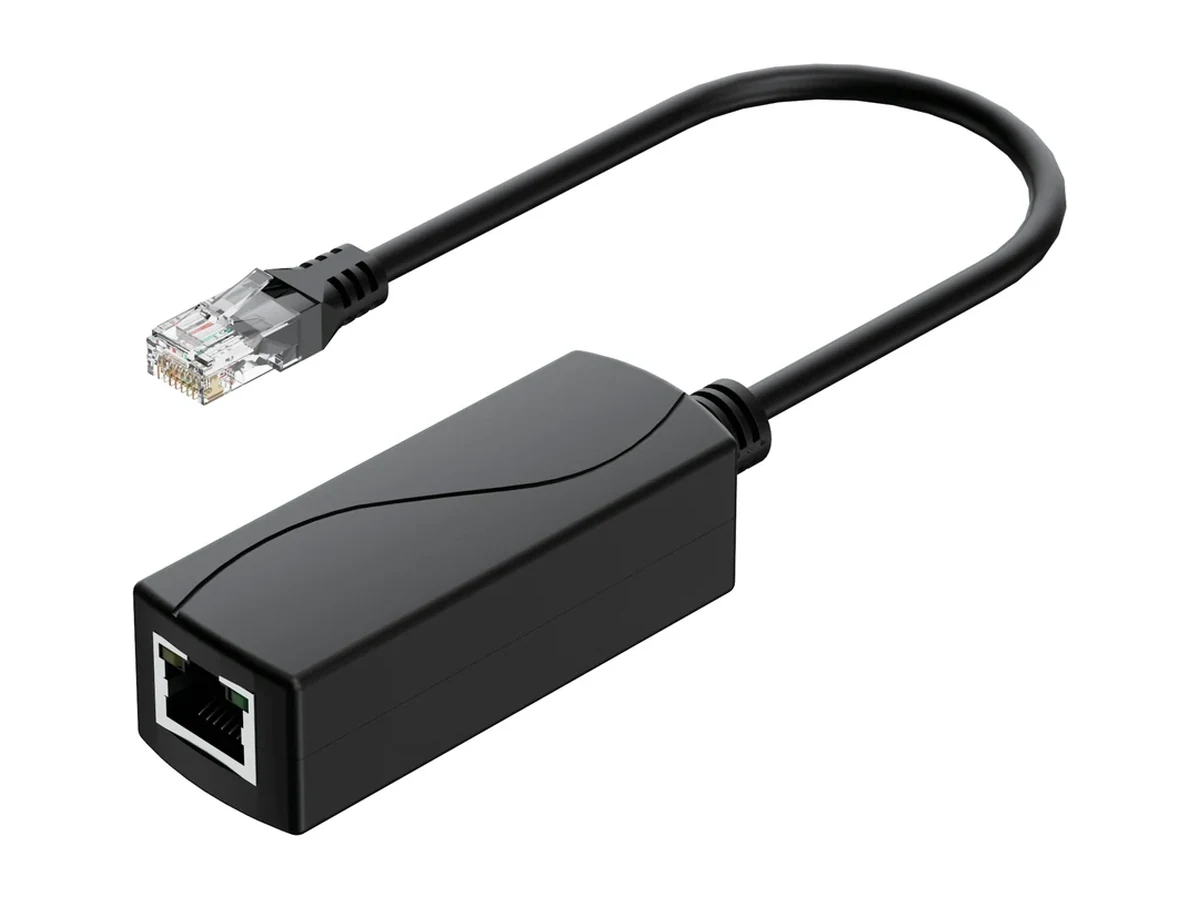
HX-PD24BF
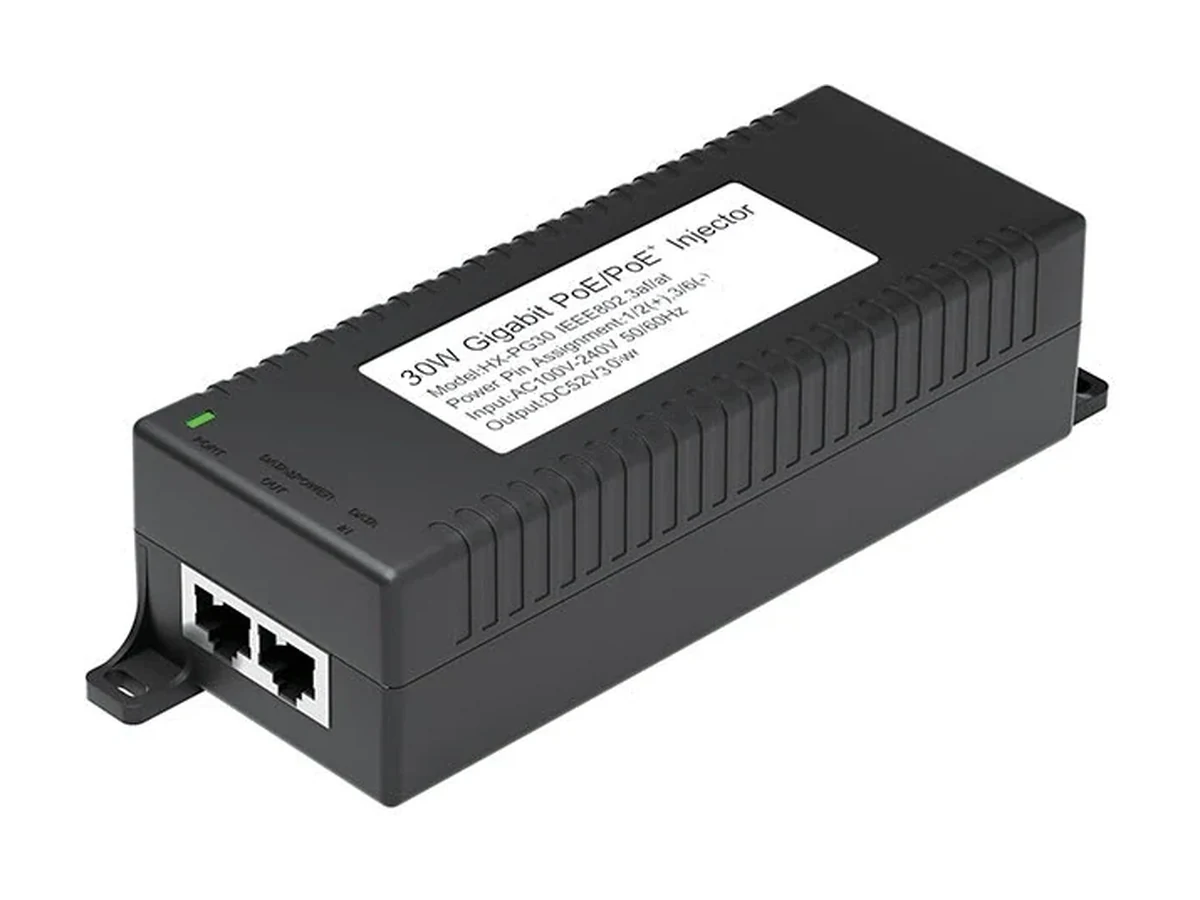
HX-PG30
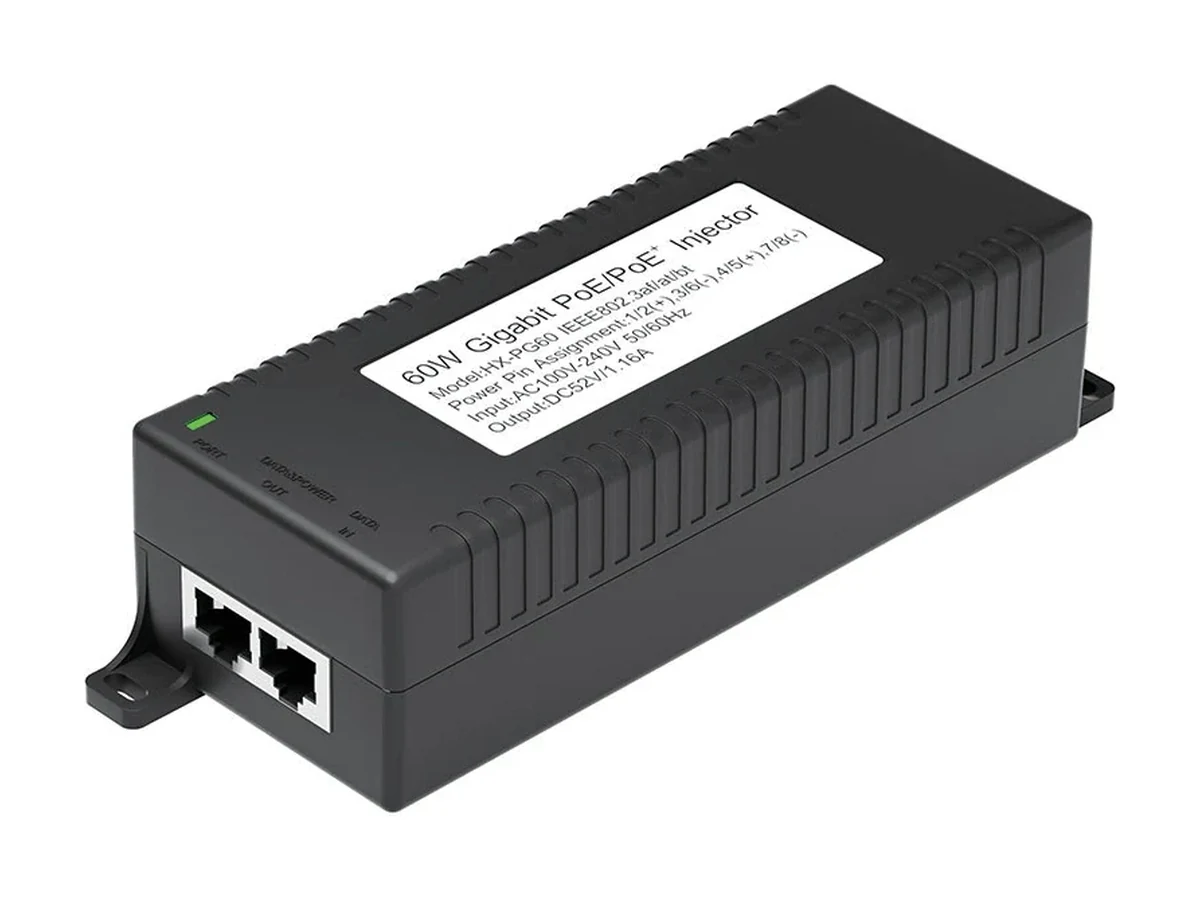
HX-PG60
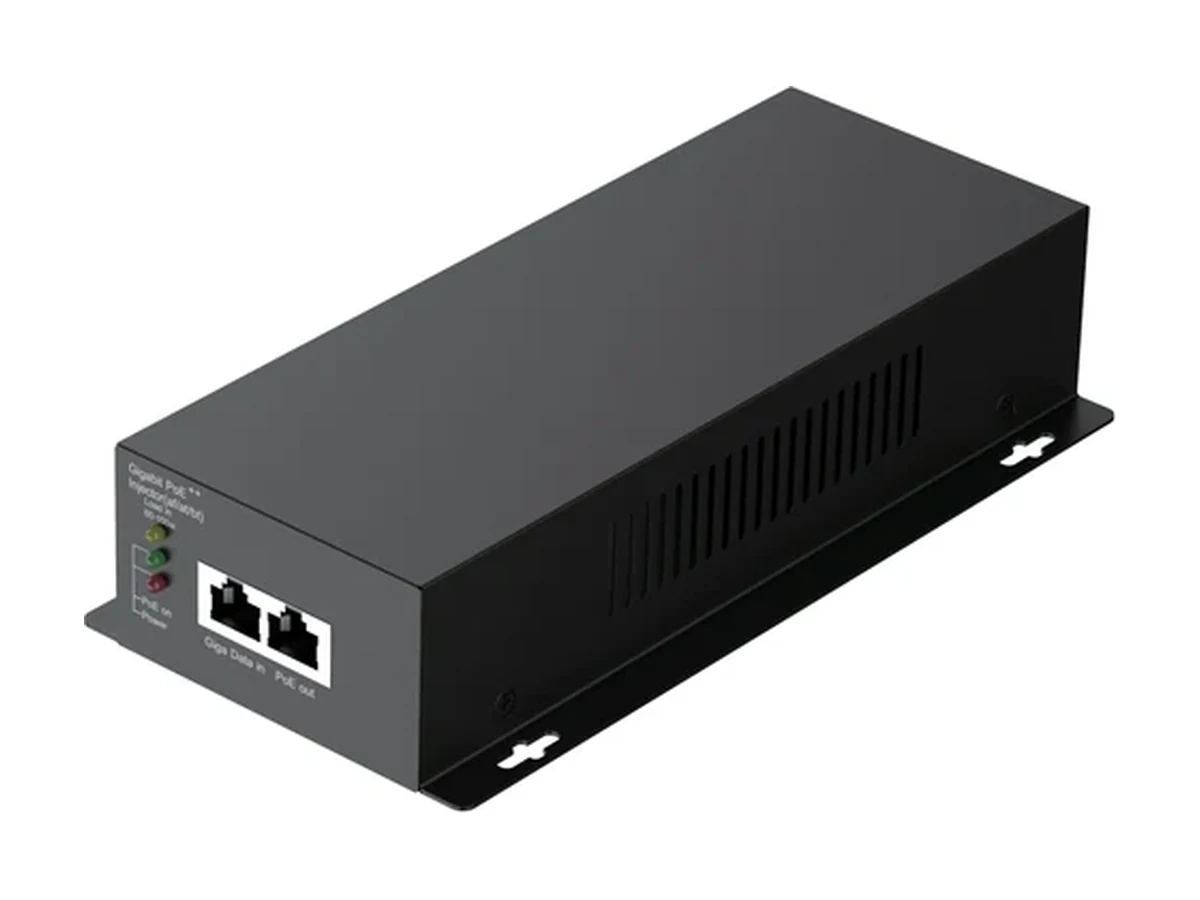
HX-PG90
The choice is made from the device label, not from the switch. Read the voltage and current the device expects: if it negotiates PoE, the class sets the injector; if it takes a fixed DC barrel input, it needs a passive injector plus a splitter, or a splitter on a PoE line.
| Device on the far end | Injector | Why |
|---|---|---|
| Standard PoE camera or AP, up to 15.4 W (802.3af) | HX-PG30 — gigabit, 802.3af/at | One gigabit injector covers af and at classes without overspending |
| PTZ camera or 802.3at AP, up to 25.5 W | HX-PG30 — gigabit, 802.3af/at | The at class is 30 W at the PSE, which this unit supplies |
| 802.3bt device, up to 60 W | HX-PG60 — gigabit, 802.3af/at/bt | Four-pair bt on 12(+)/36(−) and 45(+)/78(−) |
| 802.3bt device, up to 90 W | HX-PG90 — gigabit, 802.3af/at/bt | Highest bt class in the range |
| Non-PoE device expecting fixed 24 V | HX-P2410 — 24 V passive, 10/100 | Applies 24 V on 4/5(+) 7/8(−) with no negotiation |
| Non-PoE device expecting fixed 48 V | HX-P4805 — 48 V passive, 10/100 · HX-P4805G for gigabit | Fixed 48 V on 4/5(+) 7/8(−) |
| A 24 V PoE device on a 48 V PoE line | HX-PD24BF — 48 V PoE in, 24 V out | Converts rather than injects; no second mains feed needed |
Passive and active are not interchangeable. A passive injector applies voltage before anything negotiates, so wiring a passive 48 V unit into a device expecting 24 V destroys it. If the device label does not state its PoE class, send us the label and we will name the model.
An injector is the cheaper answer for one or two powered runs on an existing network. A switch is the better answer as soon as the site needs several powered ports, because every injector adds a mains socket, a wall wart and a separate point of failure, and they do not add up to a documented installation.
The crossover is around four runs. Below that, injectors win on cost and disruption; above it, a 4- or 8-port PoE switch is usually cheaper once the extra sockets and enclosures are counted. The detailed comparison, including what each injector costs you in cabinet space, is in injector vs switch.
No — the data path is passive at the physical layer. The speed is set by the magnetics: a gigabit injector passes gigabit, a 100M unit caps the run at 100 Mbps. Mixing a 100M injector into a gigabit backbone is the most common silent downgrade we see.
Only with a multi-port injector, and only up to its total budget. Each port still has to negotiate its own class, so the sum of the device classes — not the port count — sets the limit.
Active (802.3af/at/bt) injection negotiates with the powered device before applying full voltage, so a non-PoE device is never damaged. Passive injection applies a fixed voltage immediately, which is why passive 24 V and 48 V systems must never be mixed.
Anywhere between the switch and the device on the data path, usually next to the switch on a shelf or in the cabinet. It needs its own mains supply, so plan a socket where you mount it.
A unit that applies a fixed DC voltage — 24 V or 48 V — to the spare or data pairs with no negotiation and no detection. It is cheaper and it works with devices that do not speak 802.3, but a wrong voltage reaches the device immediately. Passive 24 V and 48 V systems must never be mixed.
You can, but you rarely should: a PoE switch port already supplies power, and putting an injector in front of it means two power sources on one cable. Injectors are for non-PoE switch ports, or for a run that needs more than the switch budget allows — in which case use a spare non-PoE port.
20 models
Factory-direct PoE switches — 20 models: {ports} ports, 100M and gigabit, SFP uplinks, {budget} budg…
View category22 models
Factory-direct PoE splitters — 22 models: 48 V PoE in, 12 V / 9 V / 5 V / 24 V out, standard and non…
View category20 models
Factory-direct PoE extenders — 20 models: mid-span repeaters that carry data and power past the 100 …
View category