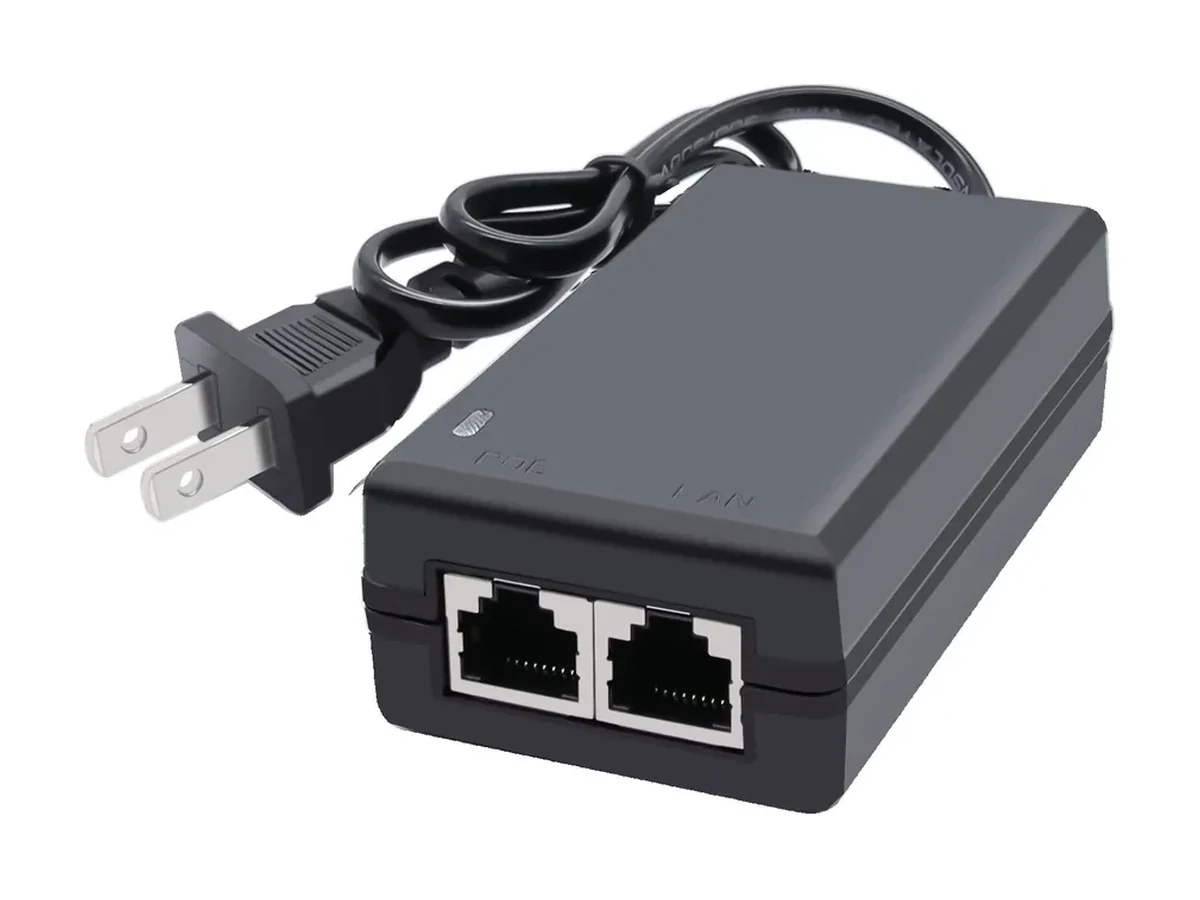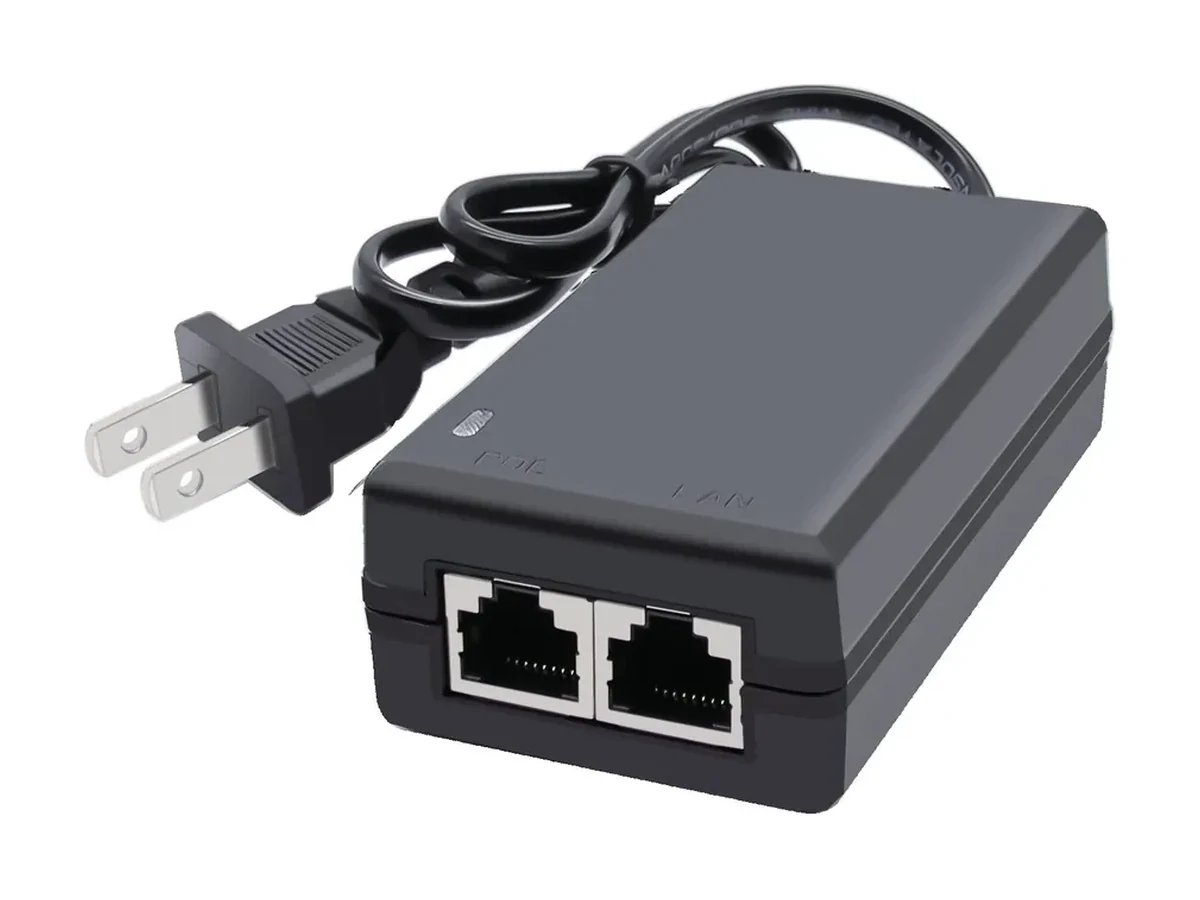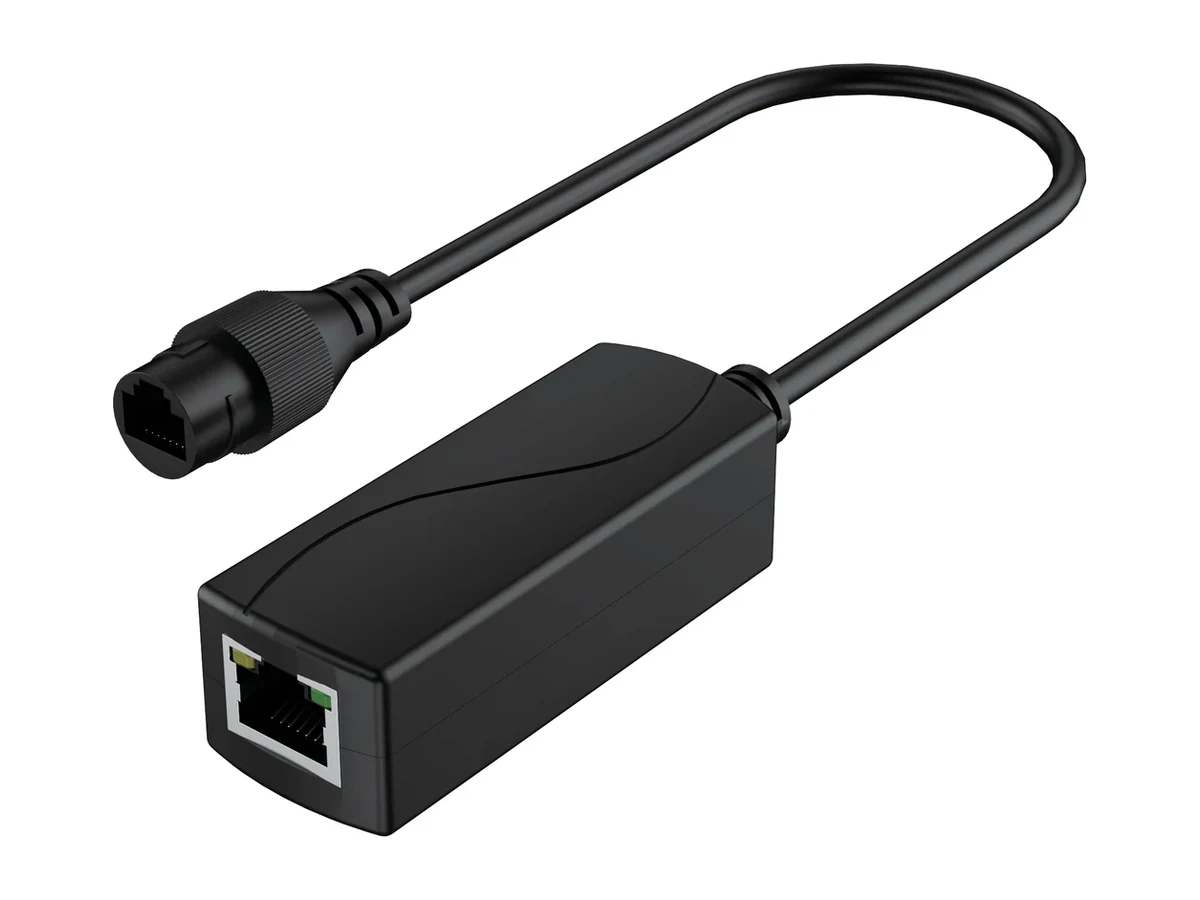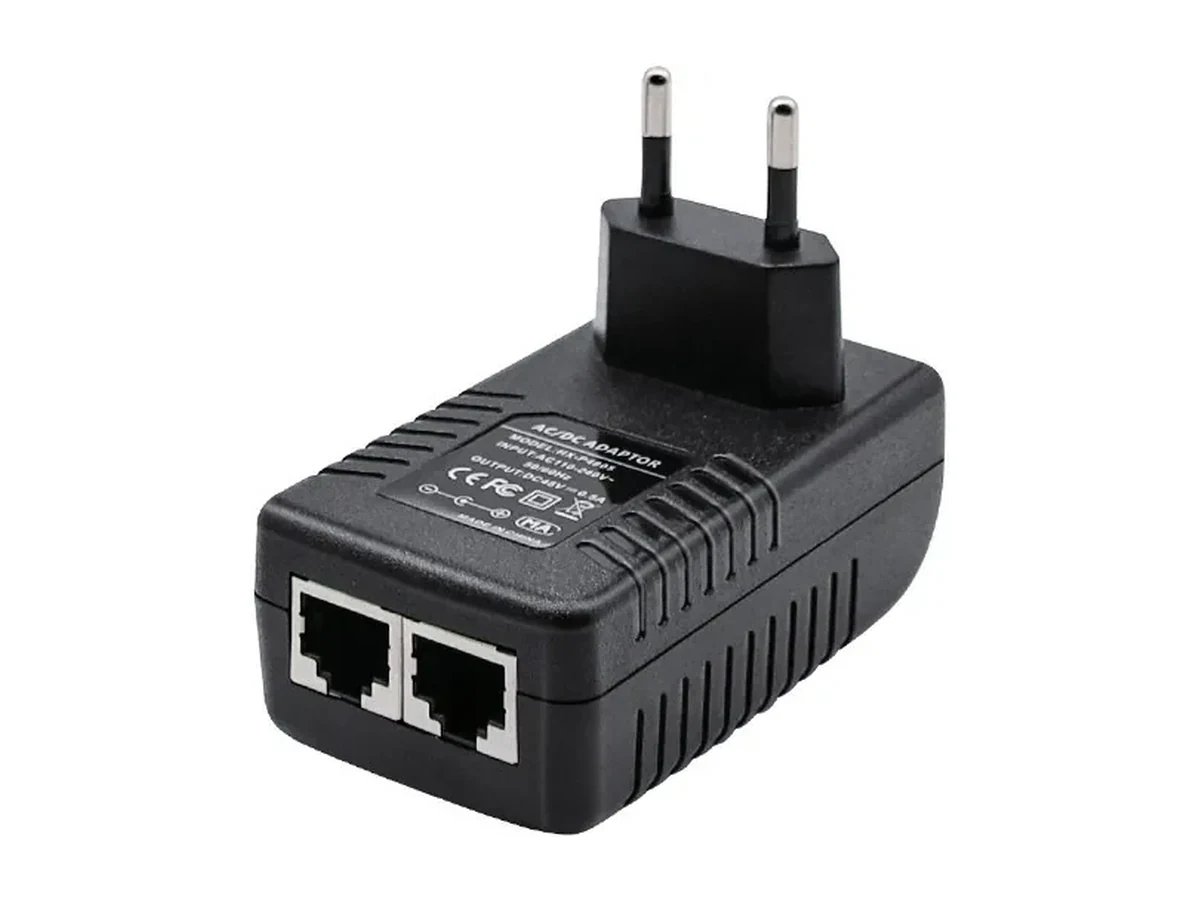
HX-P2410
24V Non-standard PoE Injector
- Speed
- 10/100Mbps
- Power
- —
PoE Injectors
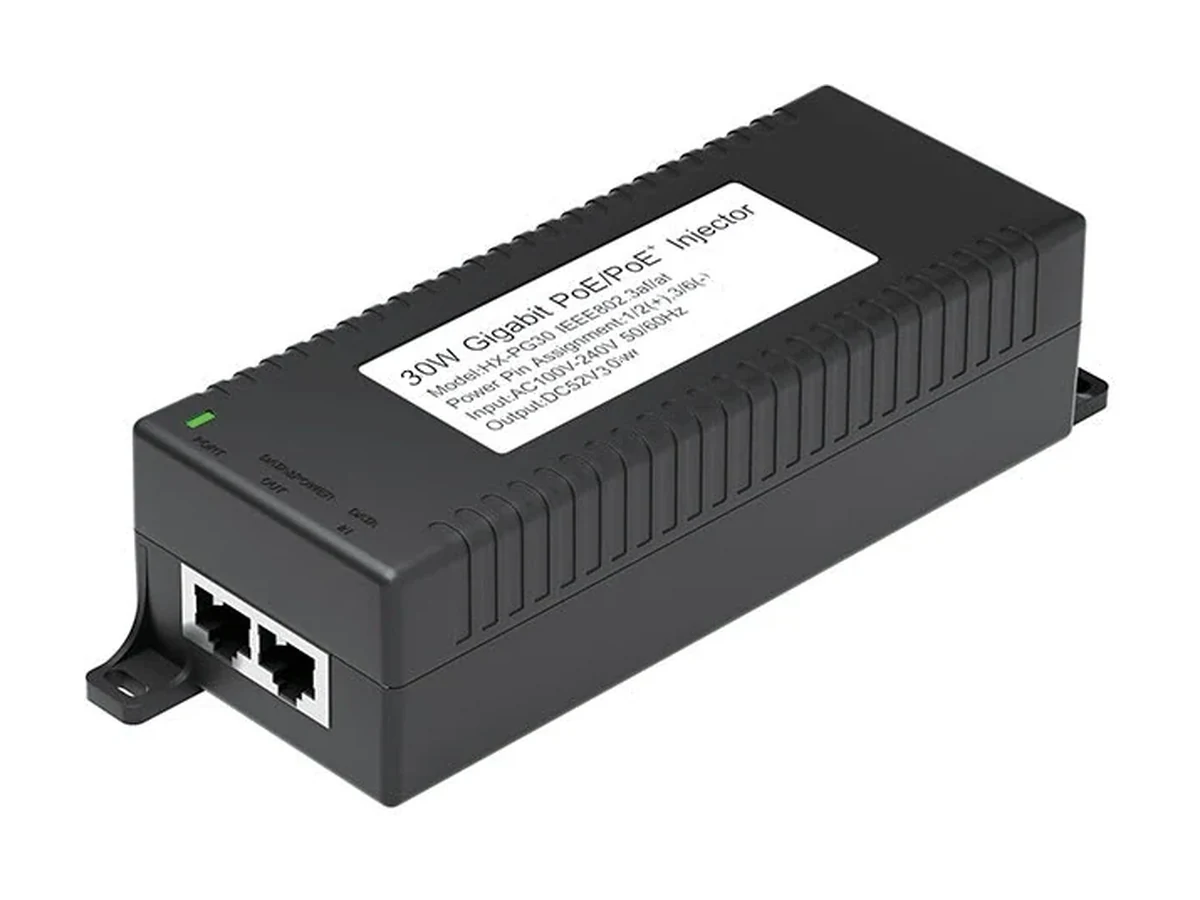
HX-PG30 Gigabit 30W Standard PoE Injector — PoE standard: IEEE802.3af/at; 10/100/1000Mbps forwarding. It ships from the same factory line as our PoE switches, with OEM/ODM branding available.
HX-PG30OEM/ODM with custom branding, packaging and model numbers available. MOQ and pricing on request.
The HX-PG30 adds power to a single cable run from the power side, the usual fix when the existing switch is a plain non-PoE unit. In a typical IP camera installation it is the part that decides how many devices can be powered, how much headroom is left for future cameras, and whether a long cable run still needs a relay point.
As built: 10/100/1000Mbps forwarding.
This unit feeds power into one run: it applies IEEE802.3af/at, over 10/100/1000Mbps.
Injectors are the pragmatic answer when the installed switch has no PoE: the data path stays on the existing switch, and only the powered run changes. The constraint is one injector per port — past about four injectors, a PoE switch usually costs less to install and leaves fewer failure points.
There is a second reason to prefer them on retrofit work: the injector sits outside the switch, so adding a powered run does not mean touching a configured, in-service switch or finding a maintenance window for it.
The three options solve the same problem at different points in the cable plant. The table is the decision, in one screen.
| Option | What changes on site | Best when |
|---|---|---|
| This injector | One cable run gets a power source; switch untouched | One to four powered runs, existing switch stays in service |
| Mid-span injector panel | Several runs powered from one chassis | A floor of cameras is being added but the switch has no PoE |
| PoE switch | The whole edge is replaced | New installation, or the port count is growing anyway |
Structured cabling limits a copper channel to 100 m between active devices. Switches and injectors terminate one segment; extenders exist to start a new one, so a run built from three segments can reach roughly 300 m — but every extra hop also re-supplies power from the same original budget.
The siblings in this family differ on a small number of axes. Compare the powered port count first, then the budget, then the uplink — a model with SFP uplinks only pays off when the run back to the core is fibre.
| Model | Name | Ports · budget · class · speed |
|---|---|---|
| HX-P2410 | 24V Non-standard PoE Injector | 10/100Mbps |
| HX-P4805 | 48V Non-standard PoE Injector | 10/100Mbps |
| HX-P4805G | Gigabit 48V Non-standard PoE Injector | 10/100/1000Mbps |
| HX-PD024BFS | 48V to 24V PoE Converter | 10/100/1000Mbps |
Five checks catch most of the mismatches we see on purchase orders for this family:
A AT PSE negotiates down: it will run af or at devices happily. The reverse is the problem — a AT powered device asked to run from a lower class PSE either refuses to power up or browns out under IR load. The PSE class sets the ceiling; the device class sets the demand.
No — the data path is passive at the physical layer. A gigabit injector passes gigabit; a 10/100 unit caps the run at 100 Mbps because the magnetics are rated for it. Check the speed row: 10/100/1000Mbps here. Mixing a 100 Mbps injector into a gigabit backbone is the most common silent downgrade we see.
Active (802.3af/at/bt) injection negotiates with the powered device before applying full voltage, so a non-PoE device is never damaged. Passive injection applies a fixed voltage immediately and relies on the installer to wire the right pins — it is why passive 24 V and 48 V systems must never be mixed.
Input is AC100-240V 50/60Hz. That is the unit's own supply, separate from the PoE it hands out on the ports; budget the circuit for the full rated load rather than the typical one.
Every figure in the specification table above comes from the current production data for this model. If a figure matters for a tender, ask for the current datasheet before quoting — printed documents and production revisions drift apart.
Specifications for model HX-PG30. Ask for the current datasheet before quoting.