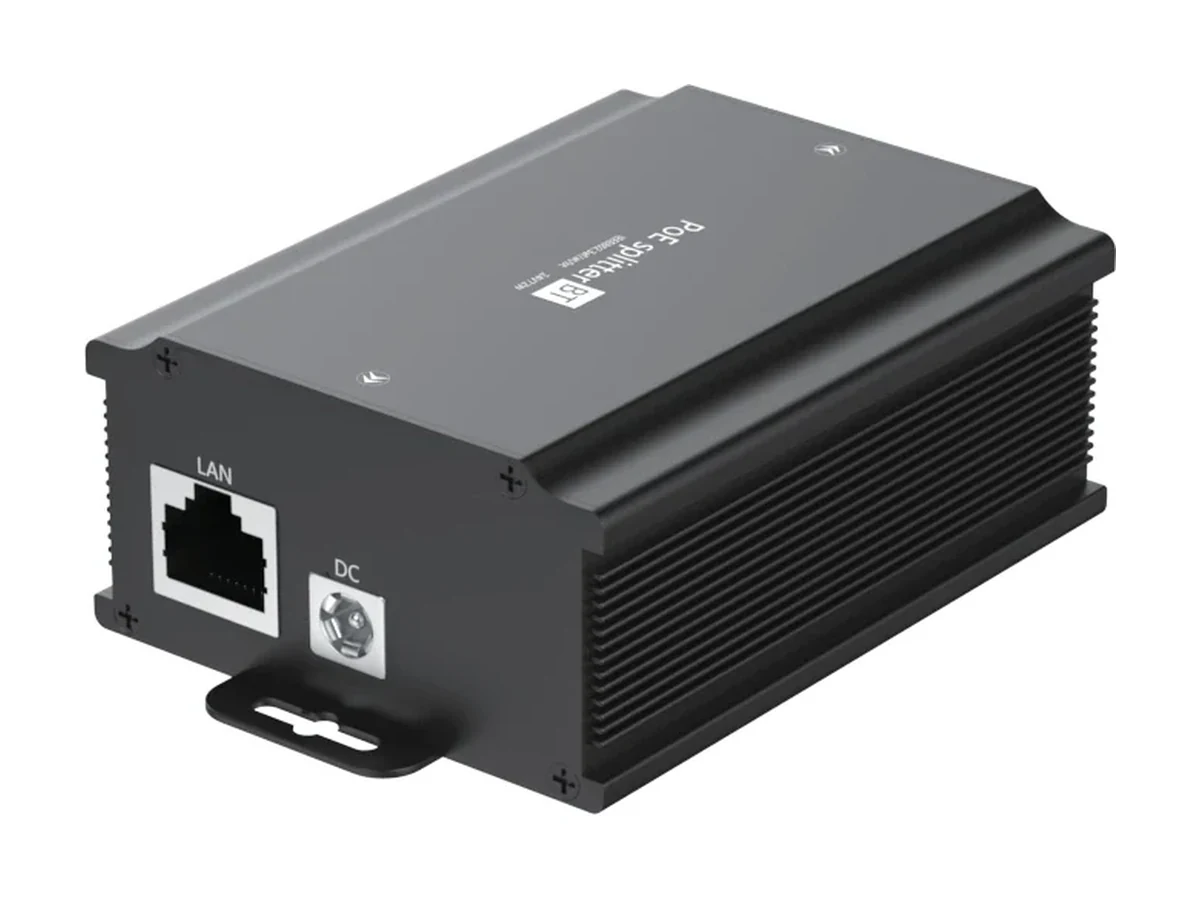
HX-PD024BT
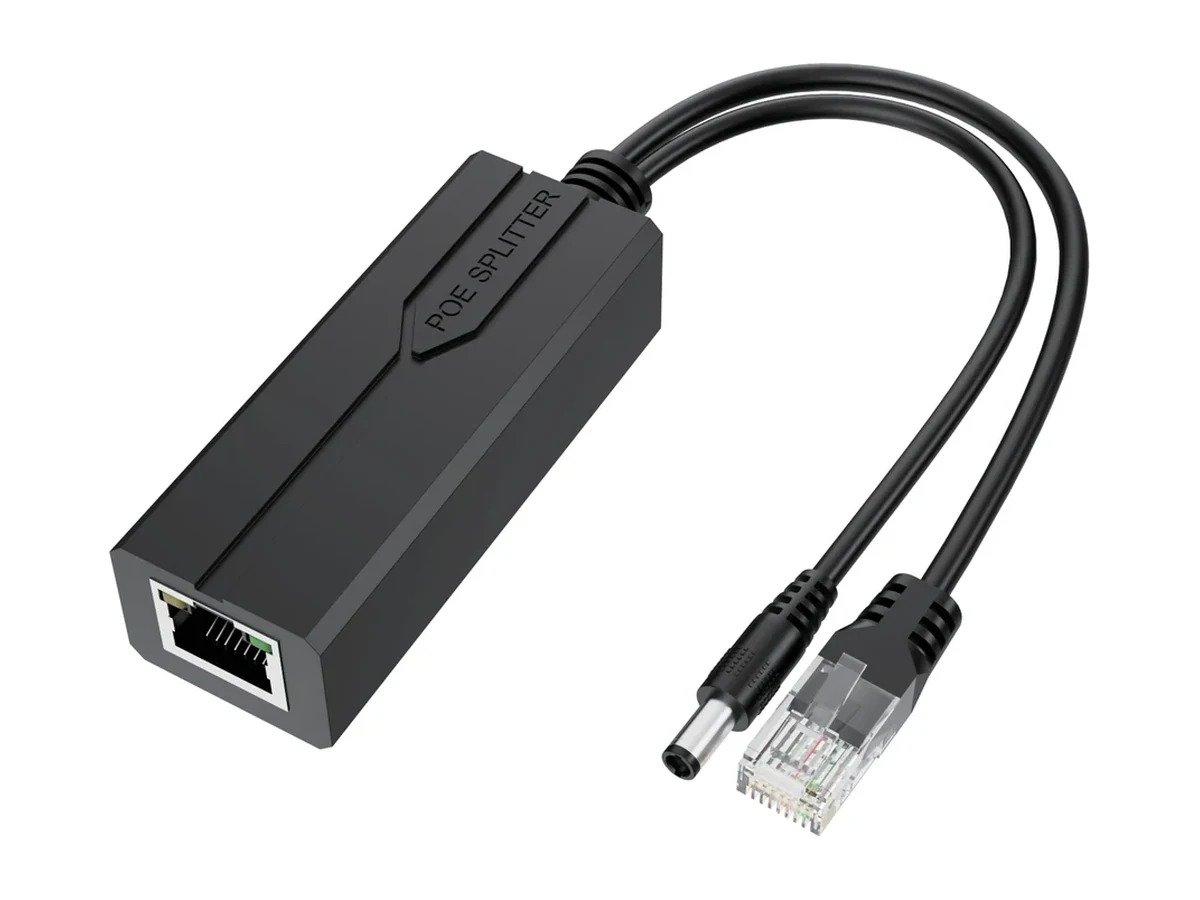
BT Protocol PoE Splitter
- Output
- DC24V/3A
- Connector
- 5.5×2.1mm
PoE Splitters
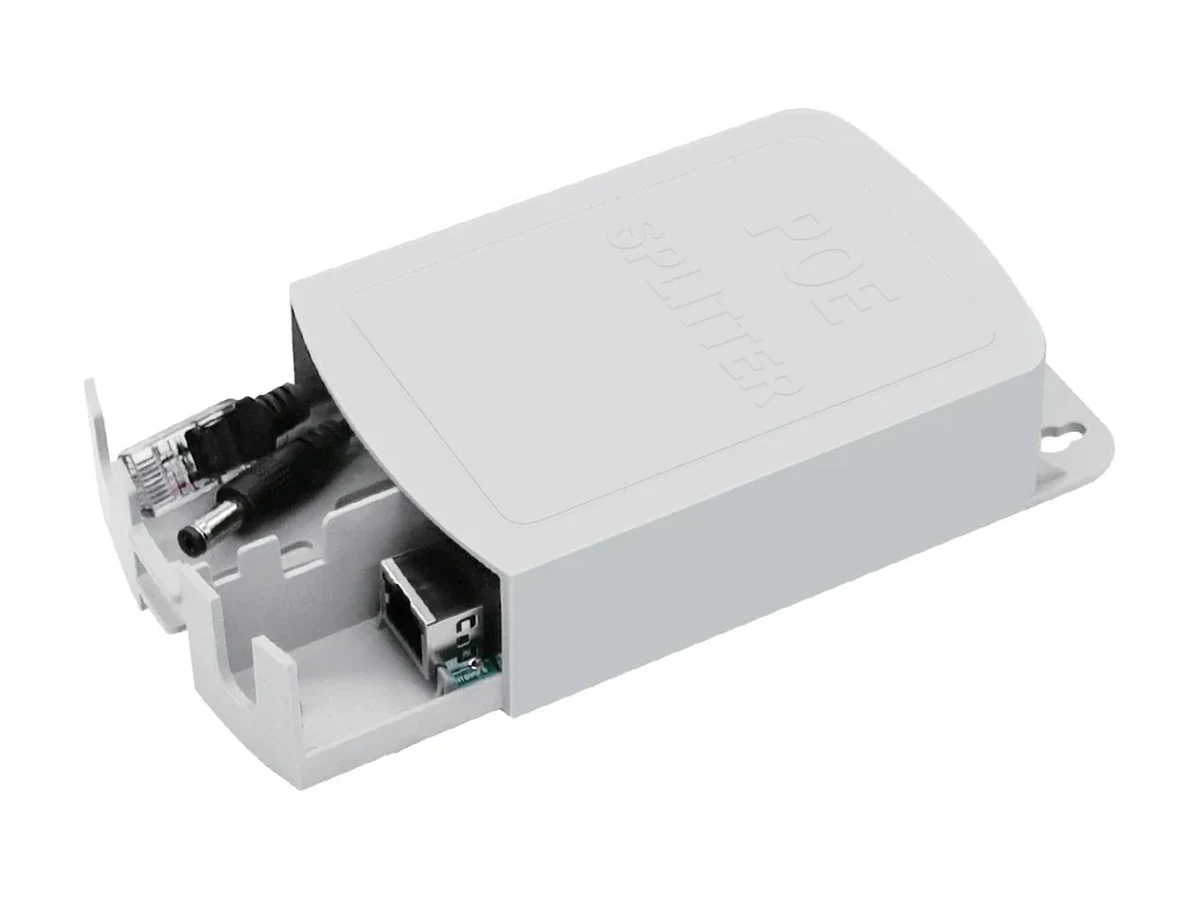
HX-PD02SFS Waterproof 48V to 12V Standard PoE Splitter — 10/100Mbps forwarding; output DC12V/1.2A. It ships from the same factory line as our PoE switches, with OEM/ODM branding available.
HX-PD02SFSOEM/ODM with custom branding, packaging and model numbers available. MOQ and pricing on request.
The HX-PD02SFS sits at the device end: it separates the 48 V PoE feed into data plus a regulated DC output for equipment that has no PoE port of its own. In a typical IP camera installation it is the part that decides how many devices can be powered, how much headroom is left for future cameras, and whether a long cable run still needs a relay point.
As built: 10/100Mbps forwarding.
The output side is specified as DC12V/1.2A — about 14.4 W at the connector, on a 5.5×2.1mm connector. The input accepts DC44V-57V(compatible with non-standard DC48V).
Match the output voltage to the device, not to the switch: a 12 V dome camera needs 12 V, a small 5 V access unit needs 5 V, and a 24 V PTZ needs 24 V. Then check current: the device label gives a rated current, and the splitter must cover it plus a margin for inrush.
One more distinction decides half the orders: isolated versus non-isolated. A non-isolated splitter keeps the input and output grounds tied together, which is fine when the camera and the switch sit on the same building earth. An isolated version breaks that path, and is the safer choice where the camera is on a pole or a separate structure and the two ends may sit at different ground potentials.
The connector is the part that fails quietly. 5.5 × 2.1 mm is the default barrel size for CCTV, but 5.5 × 2.5 mm and Type-C/Micro-USB appear on smaller units — a barrel plug that fits loosely will work on the bench and drop out on a vibrating pole.
Structured cabling limits a copper channel to 100 m between active devices. Switches and injectors terminate one segment; extenders exist to start a new one, so a run built from three segments can reach roughly 300 m — but every extra hop also re-supplies power from the same original budget.
The splitter sits at the far end of the segment, so it must be inside the 100 m limit like any other device — the DC output cable after it should stay short.
The siblings in this family differ on a small number of axes. Compare the powered port count first, then the budget, then the uplink — a model with SFP uplinks only pays off when the run back to the core is fibre.
| Model | Name | Ports · budget · class · speed |
|---|---|---|
| HX-PD024BT | BT Protocol PoE Splitter | 10/100/1000Mbps |
| HX-PD02S | 48V to 12V Standard PoE Splitter | 10/100Mbps |
| HX-PD02S-G | 48V to 12V Standard Gigabit PoE Splitter | 10/100/1000Mbps |
| HX-PD02SAT | 48V to 12V 2A Standard PoE Splitter | 10/100Mbps |
Five checks catch most of the mismatches we see on purchase orders for this family:
It does not decode or store frames — it separates the DC component from the data pairs. What limits the link is the magnetics rating: 10/100Mbps. A 10/100 splitter in front of a gigabit camera silently caps that camera at 100 Mbps, which is usually fine for video but not for firmware pushes on a large site.
Then this is the wrong unit — a splitter only steps down. Devices that need the 48 V rail on a barrel plug are fed by a passive injector or a direct PoE cable instead. Check the device label before ordering; no amount of wiring fixes a voltage mismatch.
Only if the input voltage range covers what the injector sends. The specification here lists DC44V-57V(compatible with non-standard DC48V); passive 24 V and 48 V systems are not the same thing, and a mismatch is a hardware failure rather than a negotiation failure.
Yes — we run OEM and private-label production on this range: custom branding, packaging and model numbers on the same hardware. Ask for the current datasheet and a sample plan before committing a project to a specific variant.
Every figure in the specification table above comes from the current production data for this model. If a figure matters for a tender, ask for the current datasheet before quoting — printed documents and production revisions drift apart.
Specifications for model HX-PD02SFS. Ask for the current datasheet before quoting.
HX-PD024BT
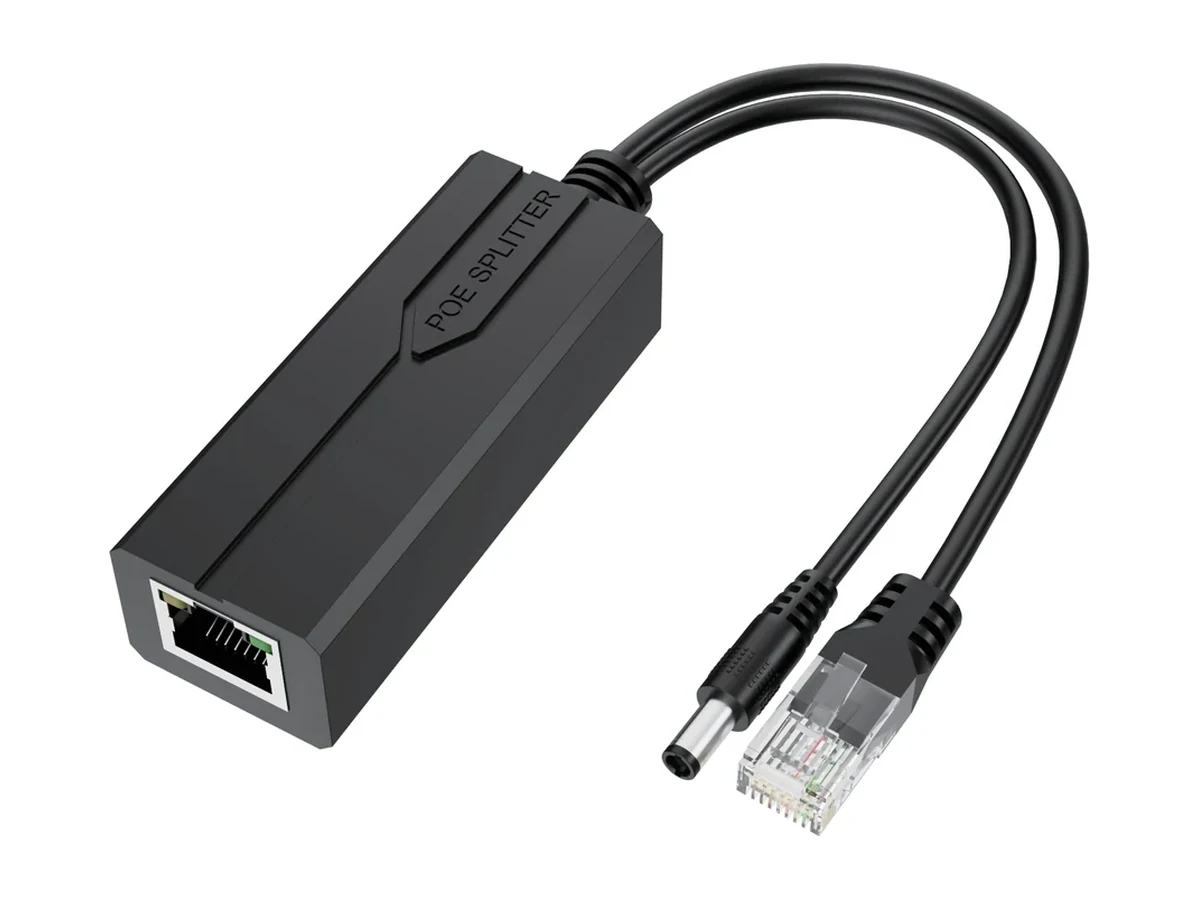
HX-PD02S
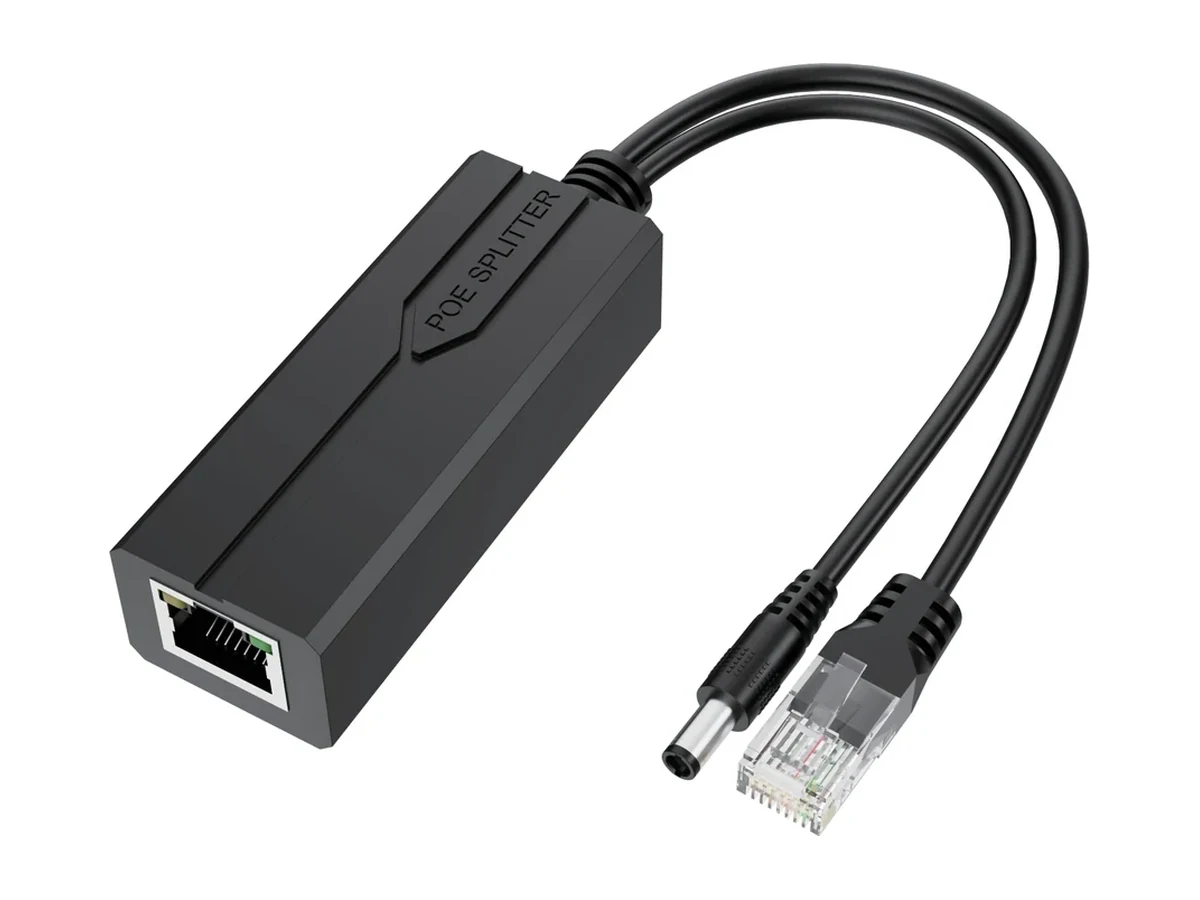
HX-PD02S-G
HX-PD02SAT